
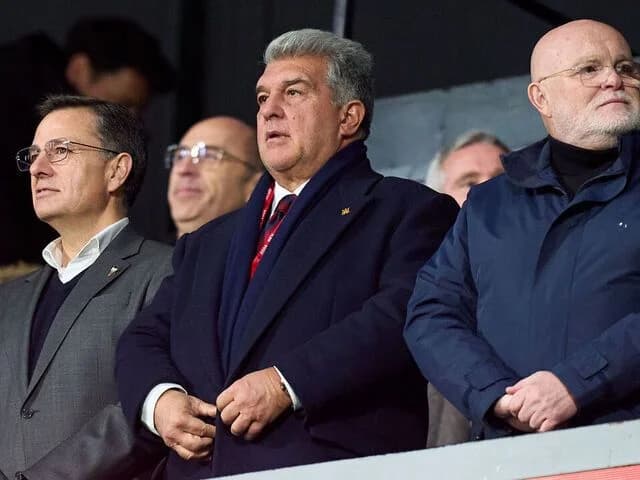
In a dramatic turn for European club football, FC Barcelona has formally announced its withdrawal from the long‑contested European Super League (ESL) project, leaving Real Madrid as the sole remaining founding club still publicly committed to the breakaway competition. Barcelona issued an official statement on Saturday confirming that it had “ formally notified the European Super League Company and the clubs involved of its withdrawal from the European Super League project, ” bringing an effective end to its participation in a scheme that once promised to reshape the continent’s club calendar
In a dramatic turn for European club football, FC Barcelona has formally announced its withdrawal from the long‑contested European Super League (ESL) project, leaving Real Madrid as the sole remaining founding club still publicly committed to the breakaway competition. Barcelona issued an official statement on Saturday confirming that it had “
formally notified the European Super League Company and the clubs involved of its withdrawal from the European Super League project,
” bringing an effective end to its participation in a scheme that once promised to reshape the continent’s club calendar. The European Super League was originally unveiled in April 2021 by a group of 12 elite clubs that sought to establish a rival to UEFA’s Champions League, offering guaranteed participation for founding members and a lucrative commercial model. However, the plan collapsed almost as quickly as it was announced, with all six English clubs withdrawing within days amid fierce fan protests and institutional pushback, followed by the departures of other original members including Atletico Madrid, AC Milan, Inter Milan and Juventus over subsequent years. Barcelona’s exit follows months of shifting priorities within the club. In late 2025, club president Joan Laporta indicated that Barcelona wanted to restore strong ties with UEFA and embrace reforms to existing European competitions. He stressed the club’s desire for “
peace
” in European football and alignment with the governing body’s framework, signaling that continuing support for the Super League was no longer in Barcelona’s strategic interest.
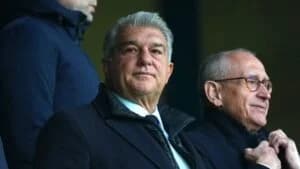
Joan Laporta, Current president of FC Barcelona.
With Barcelona’s departure, Real Madrid now stands alone among the ESL’s original architects. The club, led by president Florentino Pérez, has repeatedly maintained its belief in the concept of a European competition independent of UEFA’s established structure and has pursued legal avenues, including seeking compensation from UEFA, to vindicate its stance after the Super League’s near collapse. Reaction among fans has been mixed. Some Barcelona supporters welcomed the decision as a chance to focus on domestic and UEFA competitions, while others expressed frustration that the club had abandoned a bold proposal to increase financial stability and reshape elite football. Experts say Barcelona’s withdrawal is likely the final nail in the coffin for the ESL project in its original form, reinforcing UEFA’s dominance over pan‑European club tournaments and leaving Real Madrid to reconsider its strategy in a football landscape that remains centered on the Champions League and other sanctioned competitions.

Comments
No comments yet. Be the first to share a thought.