
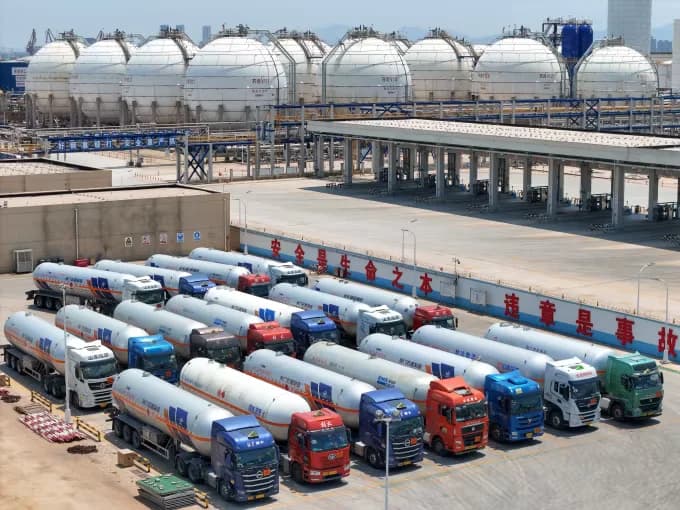
global oil market has spent months grappling with uncertainty following the conflict involving Iran and disruptions to energy supplies from the Middle East. While many analysts predicted oil prices could soar to unprecedented levels, one country has emerged as a critical force in keeping the market stable: China. Experts increasingly believe that China's decisions in the coming months could have a greater impact on oil prices than the conflict itself. As the world's second-largest consumer of crude oil, China has managed to cushion the effects of supply disruptions through a combination of s
global oil market has spent months grappling with uncertainty following the conflict involving Iran and disruptions to energy supplies from the Middle East. While many analysts predicted oil prices could soar to unprecedented levels, one country has emerged as a critical force in keeping the market stable: China. Experts increasingly believe that China's decisions in the coming months could have a greater impact on oil prices than the conflict itself. As the world's second-largest consumer of crude oil, China has managed to cushion the effects of supply disruptions through a combination of strategic planning, vast oil reserves, and an accelerated shift toward clean energy. How China Helped Stabilize the Oil Market When the conflict in Iran intensified, fears spread across global markets that oil prices could surge to as much as $200 per barrel. However, those predictions never materialized on the scale many expected. According to energy analysts, China played a decisive role. Before the crisis, Beijing had been quietly building large crude oil inventories, taking advantage of discounted shipments from countries such as Iran and Russia. As supply disruptions worsened, China began drawing from its reserves instead of increasing purchases on international markets. Analysts estimate that the country reduced crude imports by nearly three million barrels per day—roughly equivalent to Japan's total oil demand. This reduction in demand helped ease pressure on global supplies and prevented a sharper rise in prices. The Electric Vehicle Revolution Is Changing the Equation China's rapid adoption of electric vehicles has also become a major factor in global energy markets. Today, roughly half of all new passenger vehicles sold in China are electric or other new-energy vehicles. This shift has significantly reduced the country's dependence on gasoline and diesel. The growth of China's EV industry, combined with its leadership in battery manufacturing and solar energy technology, has lowered domestic oil consumption and weakened the link between economic growth and fossil fuel demand. Energy experts say this transition has acted as a powerful buffer against volatility in global crude markets. What Happens If the Strait of Hormuz Fully Reopens? One of the biggest concerns during the crisis has been the Strait of Hormuz, a strategic waterway through which nearly one-fifth of the world's oil supply passes. As negotiations continue to restore normal shipping through the strait, analysts are beginning to focus on a different risk: an oversupply of oil. If Middle Eastern production returns to normal levels and previously stranded oil re-enters the market, global supplies could exceed demand. The International Energy Agency (IEA) has warned that oil production growth may outpace consumption next year, potentially creating a significant surplus. Such a scenario could put downward pressure on prices and reshape energy markets once again. The Question That Could Shape the Market The most important question now is simple: What does China want to buy? If oil prices decline, China could seize the opportunity to rebuild its strategic reserves, increasing demand and helping stabilize the market. On the other hand, if Beijing continues accelerating its transition toward electric vehicles and renewable energy, global oil demand could remain weaker than expected. That would create a fundamentally different outlook for producers and exporters around the world. As attention remains fixed on developments in the Middle East, many analysts believe the future of oil prices may ultimately depend not on the countries producing oil, but on the country consuming it. And right now, that country is China.

Comments
No comments yet. Be the first to share a thought.