
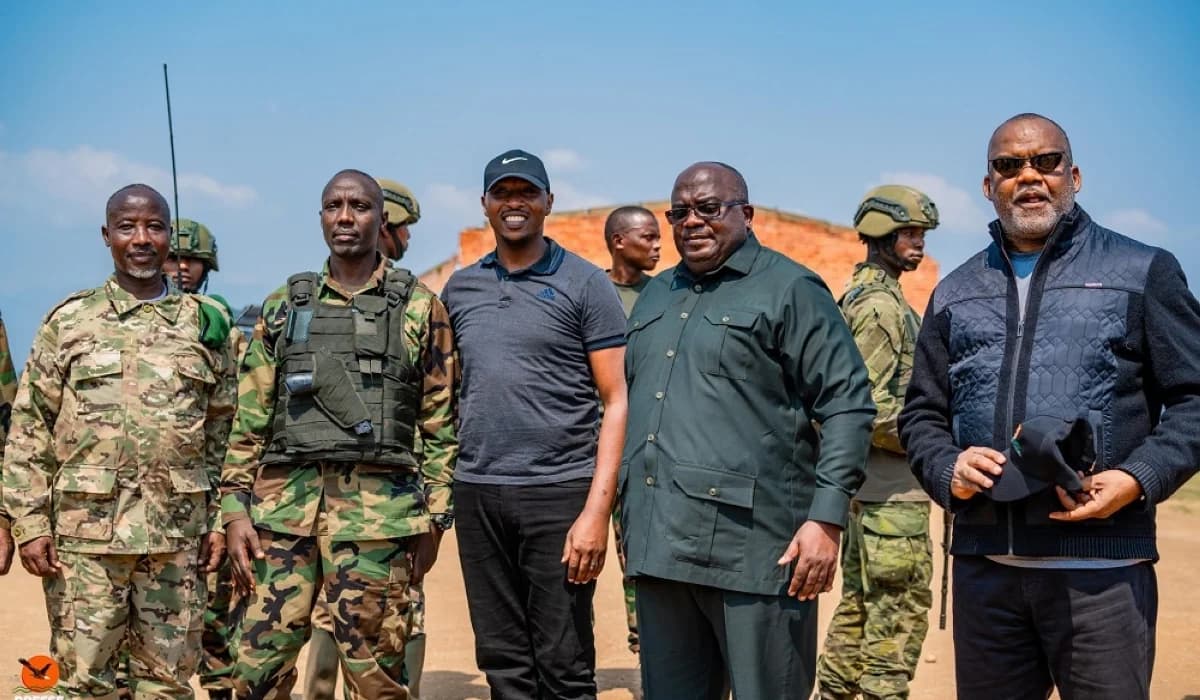
The ongoing instability in the Democratic Republic of Congo (DRC) has reached alarming levels, exposing the repeated failures of its government to address critical issues. While international actors continue to turn a blind eye, it is evident that the Congolese leadership has repeatedly neglected its responsibilities, often shifting blame onto neighboring countries such as Rwanda, Uganda, and Kenya. The reality, however, is that the root causes of the crisis lie within the DRC’s own governance and security apparatus. One of the most pressing humanitarian issues involves the thousands of refu
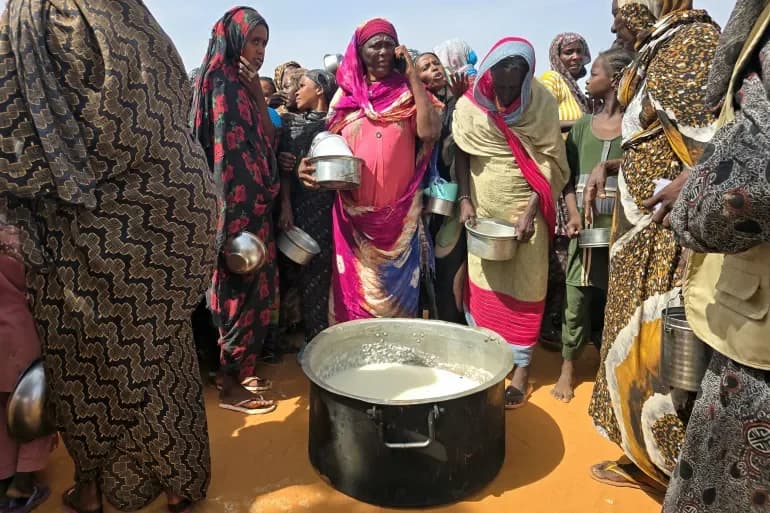
The ongoing instability in the Democratic Republic of Congo (DRC) has reached alarming levels, exposing the repeated failures of its government to address critical issues. While international actors continue to turn a blind eye, it is evident that the Congolese leadership has repeatedly neglected its responsibilities, often shifting blame onto neighboring countries such as Rwanda, Uganda, and Kenya. The reality, however, is that the root causes of the crisis lie within the DRC’s own governance and security apparatus. One of the most pressing humanitarian issues involves the thousands of refugees—nearly 30,000—who have fled regions plagued by targeted violence against Kinyarwanda-speaking communities. These refugees face severe neglect, with limited international intervention despite the ongoing threat of massacres and human rights abuses. Instead of addressing these crises, the DRC government has prioritized the purchase of arms, often to suppress its citizens, and has collaborated with armed groups like the FDLR, ADF, and other militias notorious for spreading genocidal ideology. In contrast, the AFC and the M23 rebel movement have consistently shown willingness to engage in peace talks, demonstrating a genuine commitment to ending conflict. Their calls for dialogue—through mechanisms such as the Doha and Washington processes—reflect an effort to resolve disputes peacefully. Yet, the DRC government has largely ignored these overtures, opting instead to escalate military campaigns that further endanger civilians. The international community’s selective concern is also apparent. While global attention is often drawn to the wealth of the DRC, minimal pressure is applied on the government to stop the systematic targeting of vulnerable populations. Efforts by East African nations, the African Union, and SADC to mediate and support peaceful resolutions have largely been undermined by DRC’s inaction and continued complicity with armed groups. Reports of government soldiers colluding with FDLR and other militias, carrying out attacks on civilians who are accused of supporting M23, highlight the severe human rights violations occurring on Congolese soil. The repeated failures of the DRC government to protect its citizens and resolve conflicts have created a vacuum that international actors struggle to fill. Peace initiatives, such as those facilitated in Washington and Doha, may offer potential solutions, but their effectiveness depends on the Congolese government’s genuine willingness to prioritize human life over military and political ambitions. Meanwhile, AFC/M23 continues to navigate this challenging environment, advocating for peace and seeking practical solutions, often under international scrutiny that disproportionately scrutinizes their actions while ignoring the violations committed by the DRC state and allied militias. In sum, the crisis in the DRC is not a problem of neighboring countries but a reflection of systemic failures within its own governance. Without accountability, an end to collaboration with genocidal militias, and a commitment to address refugee crises, the DRC risks perpetuating cycles of violence, displacement, and international inaction, leaving peace efforts and regional stability hanging by a thread.
Comments
No comments yet. Be the first to share a thought.