
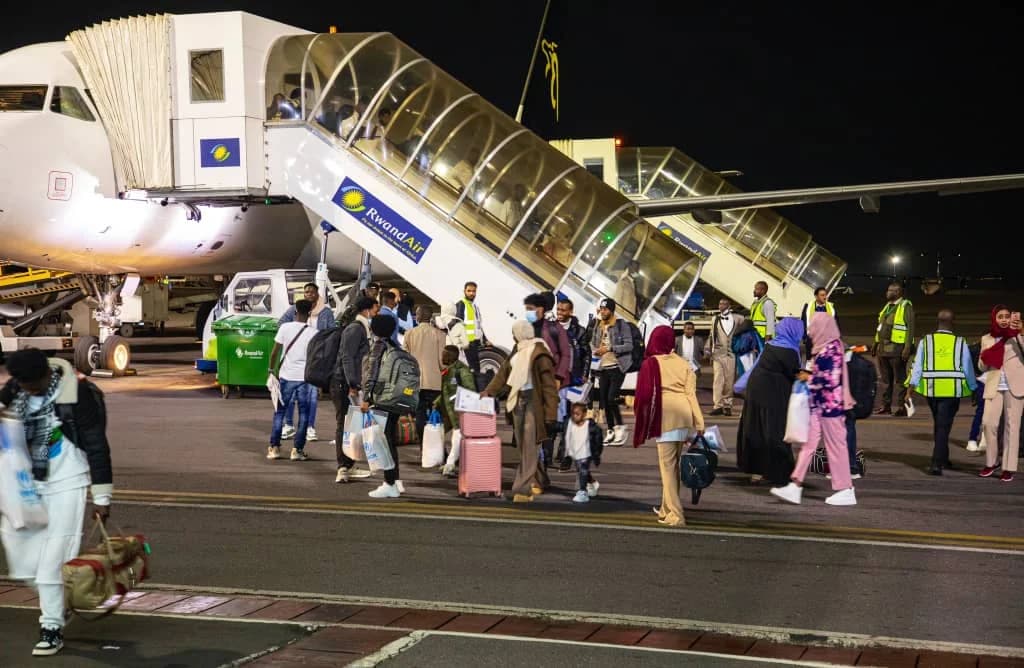
In the heart of East Africa, Rwanda stands as a beacon of hope and resilience. Amidst the challenges faced by its own people, the country has extended a compassionate hand to refugees seeking safety within its borders. Recent debates surrounding the UK's plans to deport asylum seekers to Rwanda have sparked controversy and legal battles, yet behind the headlines lies a narrative of compassion and positive intent. Rwanda, a nation scarred by the tragic genocide of 1994, understands firsthand the plight of displacement and persecution. Over the years, it has become a safe haven for refugees fle
In the heart of East Africa, Rwanda stands as a beacon of hope and resilience. Amidst the challenges faced by its own people, the country has extended a compassionate hand to refugees seeking safety within its borders. Recent debates surrounding the UK's plans to deport asylum seekers to Rwanda have sparked controversy and legal battles, yet behind the headlines lies a narrative of compassion and positive intent. Rwanda, a nation scarred by the tragic genocide of 1994, understands firsthand the plight of displacement and persecution. Over the years, it has become a safe haven for refugees fleeing conflict and oppression from neighboring countries. The government, under President Paul Kagame, has been committed to upholding international standards of refugee protection while ensuring the security and well-being of its citizens. The recent accusations by Rwanda against the United Nations refugee agency, alleging misinformation about the treatment of asylum seekers, highlight the complexities involved in managing refugee flows. Despite these challenges, Rwanda's approach remains steadfastly focused on humanitarian principles. It strives to provide refugees with not just a sanctuary but also opportunities for integration and self-sufficiency. One of the key initiatives demonstrating Rwanda's commitment is the Mahama Refugee Camp in the eastern part of the country, which hosts thousands of refugees primarily from neighboring Burundi. Here, refugees receive essential services such as healthcare, education, and access to livelihood opportunities. The camp serves as a model of effective refugee management, where collaboration between the government, international organizations, and local communities ensures that refugees can rebuild their lives with dignity. Moreover, Rwanda's policies emphasize inclusion and empowerment. Refugees are encouraged to contribute to the local economy through entrepreneurship and employment opportunities. This approach not only benefits the refugees themselves but also enriches Rwanda's social fabric, fostering cultural exchange and mutual understanding. In response to the UK's plans for deportation, Rwanda has reiterated its commitment to uphold the rights of refugees under international law. It has expressed willingness to engage in dialogue to address concerns and ensure that any arrangements meet humanitarian standards. This diplomatic stance reflects Rwanda's determination to uphold its reputation as a responsible global citizen and a safe harbor for those in need. As we look ahead, Rwanda's positive approach to refugees serves as a reminder of the power of compassion and resilience in overcoming adversity. By embracing refugees, Rwanda not only honors its own history but also sets an example for the international community. It challenges stereotypes and demonstrates that with political will and community support, refugees can thrive and contribute to society wherever they may find refuge.
Rwanda has welcomed many asylum seekers from Libya in Partnership with UNHCR. (archived photo).



Comments
No comments yet. Be the first to share a thought.