
South Africa’s Defence Minister, Angie Motshekga, and the Chief of SA National Defense Force (SANDF) General Rudzani Maphwanya appeared before Parliament to provide a crucial briefing on the country’s military deployment in the Democratic Republic of the Congo (DRC) under Operation SAMIDRC. The session, held amid mounting concerns, sought to address questions regarding the mission’s justification, operational effectiveness, and broader geopolitical implications. The briefing quickly turned contentious as Members of Parliament (MPs) criticized the government for failing to provide a clear ju
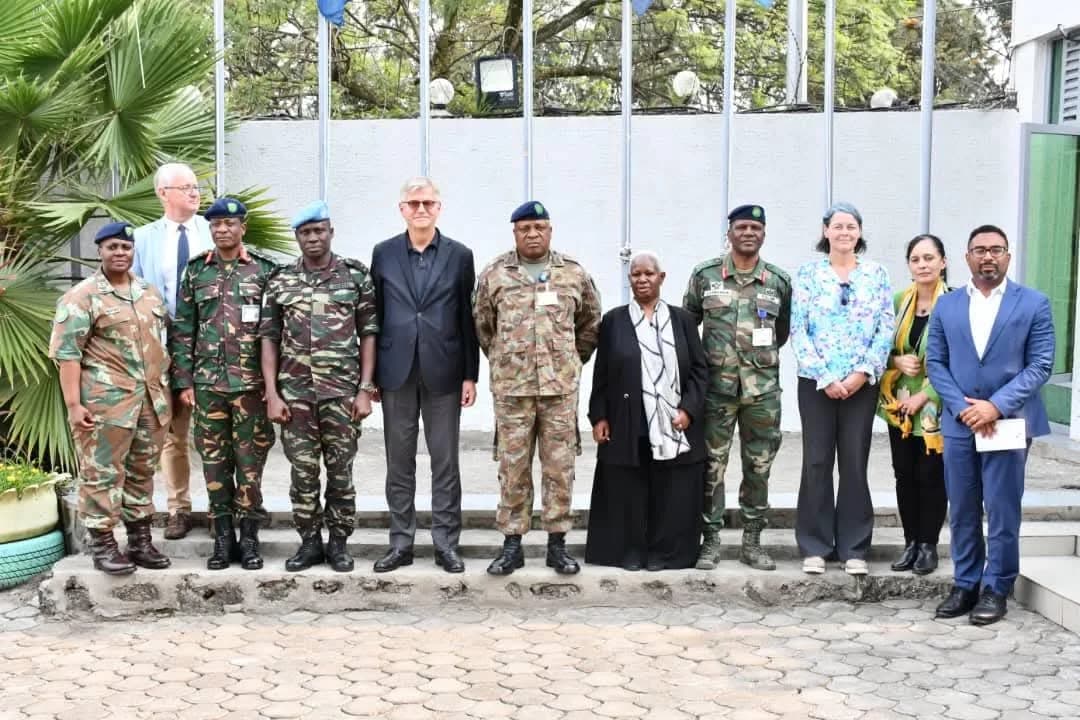
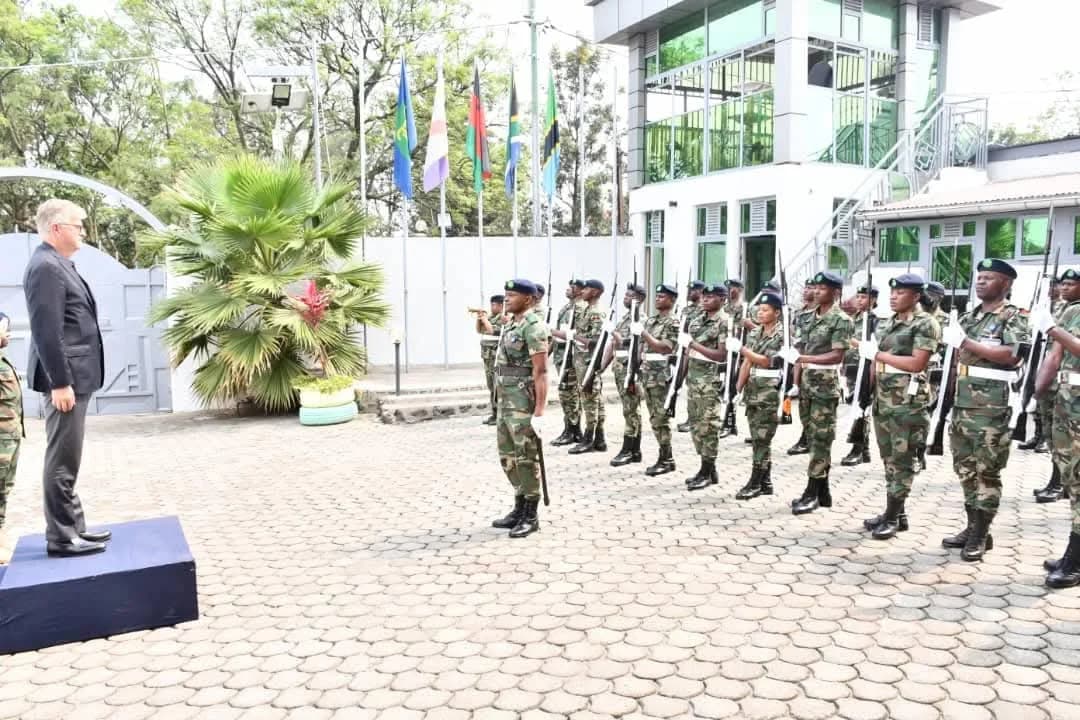
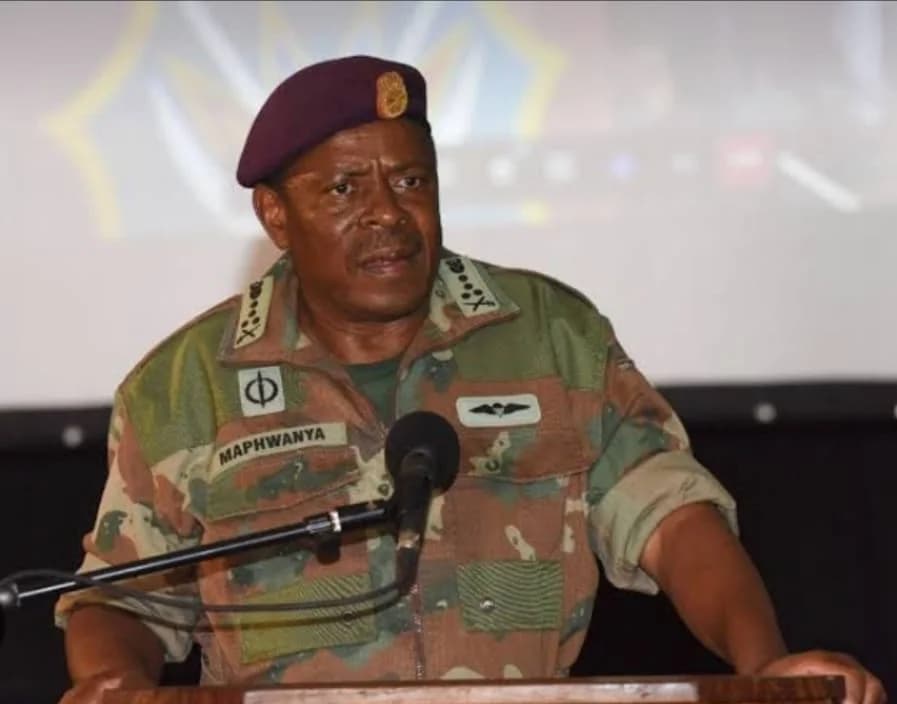
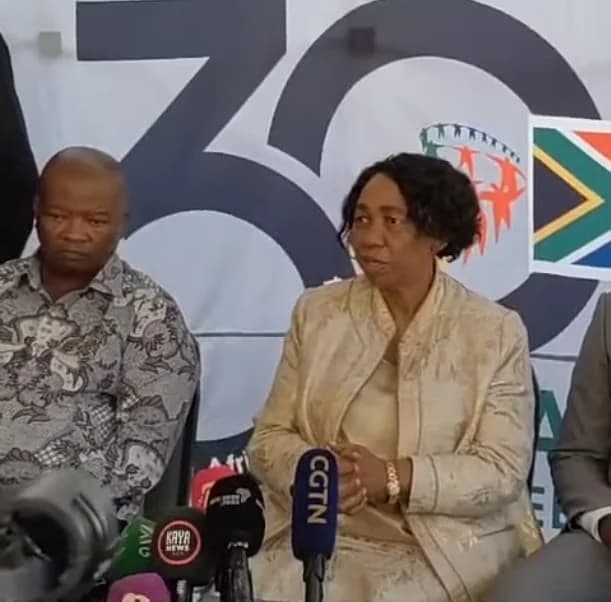
South Africa’s Defence Minister, Angie Motshekga, and the Chief of SA National Defense Force (SANDF) General Rudzani Maphwanya appeared before Parliament to provide a crucial briefing on the country’s military deployment in the Democratic Republic of the Congo (DRC) under Operation SAMIDRC. The session, held amid mounting concerns, sought to address questions regarding the mission’s justification, operational effectiveness, and broader geopolitical implications. The briefing quickly turned contentious as Members of Parliament (MPs) criticized the government for failing to provide a clear justification for the mission. Lawmakers questioned whether the deployment aligns with South Africa’s foreign policy and national interests, raising doubts about its necessity and strategic purpose. A significant point of contention was the lack of parliamentary consultation before committing troops to the mission. MPs argued that such decisions should be subjected to rigorous debate and approval, particularly given the financial and human resources involved. Public sentiment reflects similar concerns, with many questioning the government’s claims that funding primarily comes from the Southern African Development Community (SADC), suggesting that South African taxpayers may ultimately bear the financial burden. Another pressing issue raised in Parliament was the timeline of the mission and the plan for withdrawing troops. Lawmakers pressed the SANDF Chief for a clear exit strategy, emphasizing the need for transparency regarding the duration of the deployment. While the Chief assured Parliament that the remains of fallen soldiers would be repatriated by the following day, MPs demanded a concrete timeline for the return of all deployed forces. The absence of a clear withdrawal plan has heightened concerns about the sustainability of the operation and its long-term impact on the military. Parliamentarians also raised significant concerns regarding the welfare of SANDF personnel deployed in the DRC. Questions were asked about logistical efficiency, including the supply of food, water, and essential resources. Reports of logistical challenges and operational bottlenecks fueled skepticism over the government’s ability to manage the mission effectively. MPs sought reassurances from the Defence Minister that troops were adequately equipped and supported to carry out their duties. The parliamentary session underscored deep frustrations over the government’s handling of the SAMIDRC mission. MPs called for enhanced diplomatic engagement, better coordination, and greater transparency in military interventions. As pressure mounts, the Defence Ministry is being urged to provide a clearer justification for the deployment, define a realistic timeline for its conclusion, and ensure adequate support for troops on the ground. The outcome of these deliberations could have far-reaching implications for South Africa’s foreign policy and future military engagements in Africa. With growing concerns over the financial, operational, and diplomatic costs of the mission, the government now faces increased scrutiny to ensure that its military actions serve the best interests of the country and its people.
Comments
No comments yet. Be the first to share a thought.