
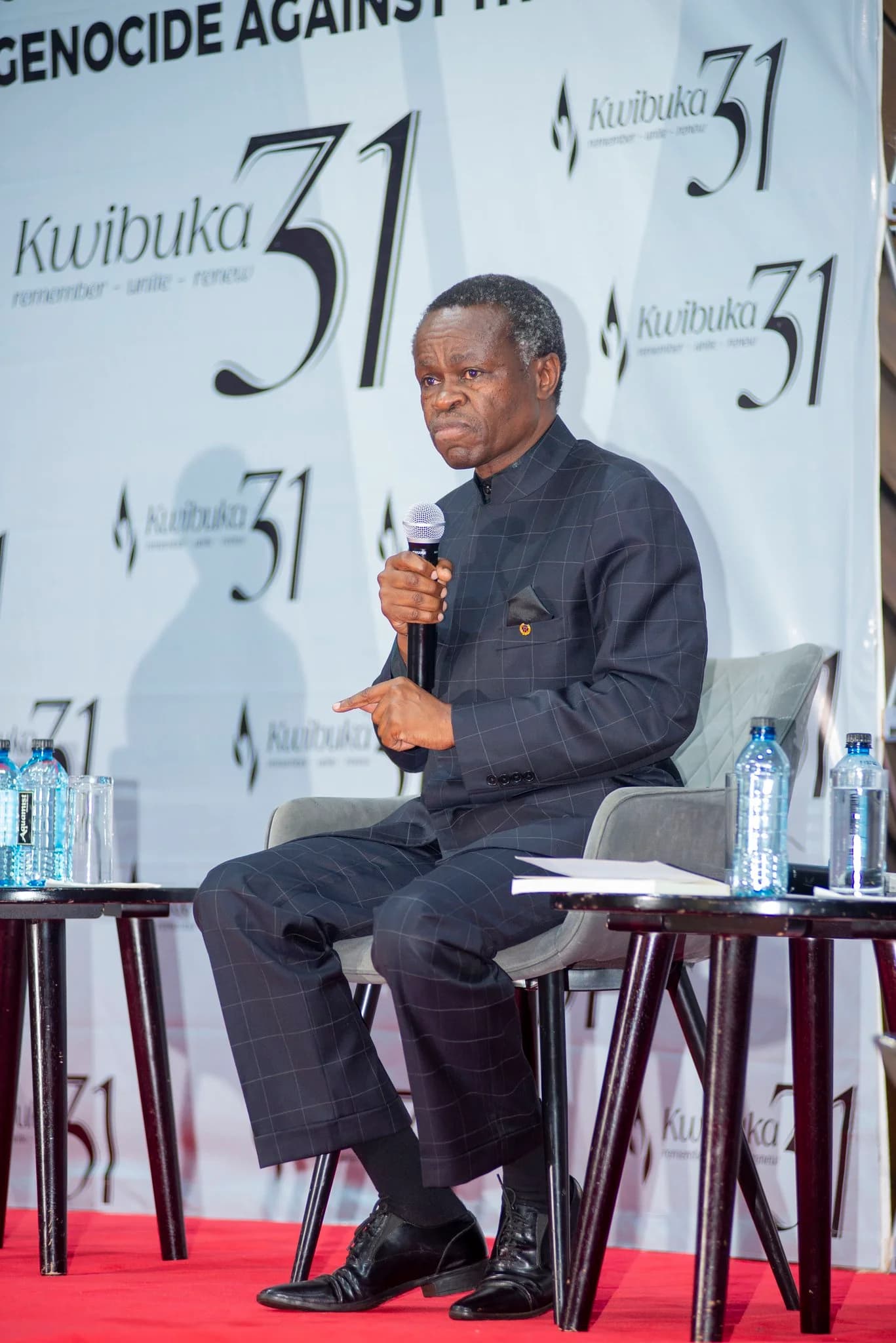
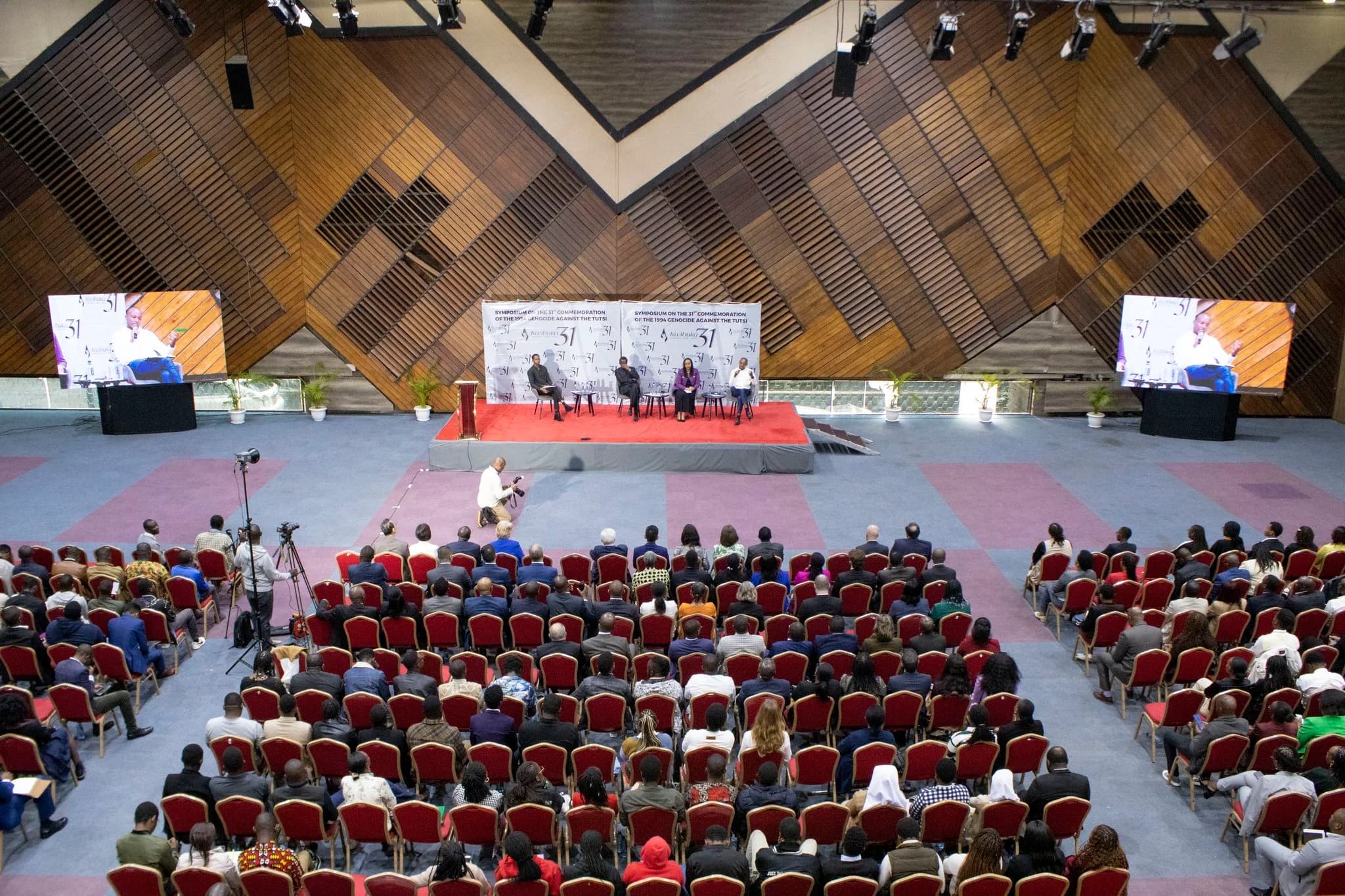
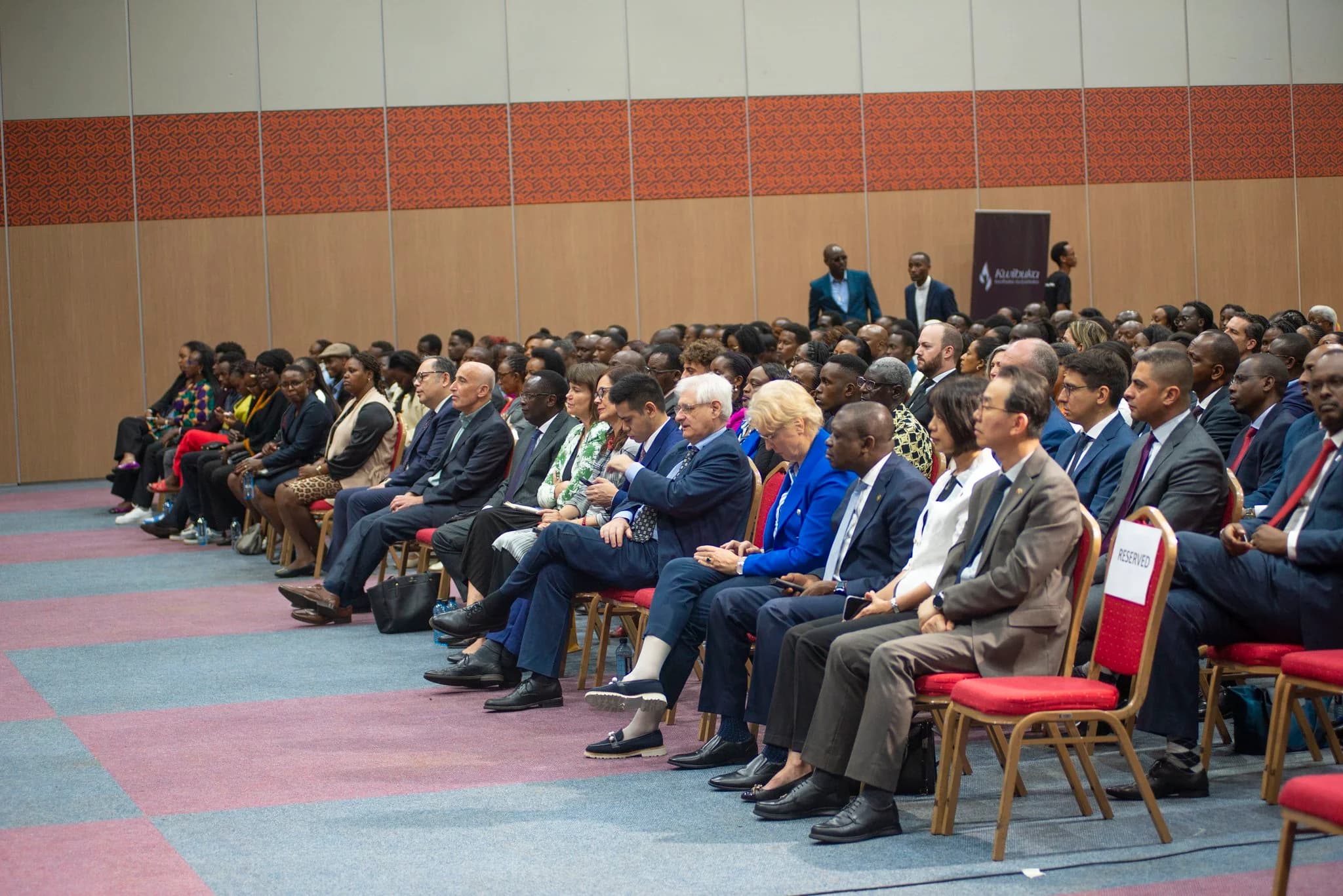
Kenyan law professor and pan-Africanist Patrick Loch Otieno Lumumba, commonly known as 'PLO Lumumba,' has praised Rwanda's ability to reconcile and rebuild after the 1994 Genocide against the Tutsi, saying it should serve as a lesson to the rest of the world. He made these remarks on Tuesday, April 1, at the Kenyatta International Convention Centre (KICC) in Nairobi, whereabout 500 attendees, including members of the diplomatic corps, students, the Rwandan community in Kenya, and friends of Rwanda, gathered for the Symposium on the 31st Commemoration of the 1994 Genocide against the Tutsi. P
Kenyan law professor and pan-Africanist Patrick Loch Otieno Lumumba, commonly known as 'PLO Lumumba,' has praised Rwanda's ability to reconcile and rebuild after the 1994 Genocide against the Tutsi, saying it should serve as a lesson to the rest of the world. He made these remarks on Tuesday, April 1, at the Kenyatta International Convention Centre (KICC) in Nairobi, whereabout 500 attendees, including members of the diplomatic corps, students, the Rwandan community in Kenya, and friends of Rwanda, gathered for the Symposium on the 31st Commemoration of the 1994 Genocide against the Tutsi. Prof. Lumumba, who was one of three panelists alongside genocide survivor Dimitrie Sissi, author of Do Not Accept to Die, and Dr. Lonzen Rugira, Managing Director of Pan Africa Review media house, commended Rwanda's resilience and reconciliation efforts.
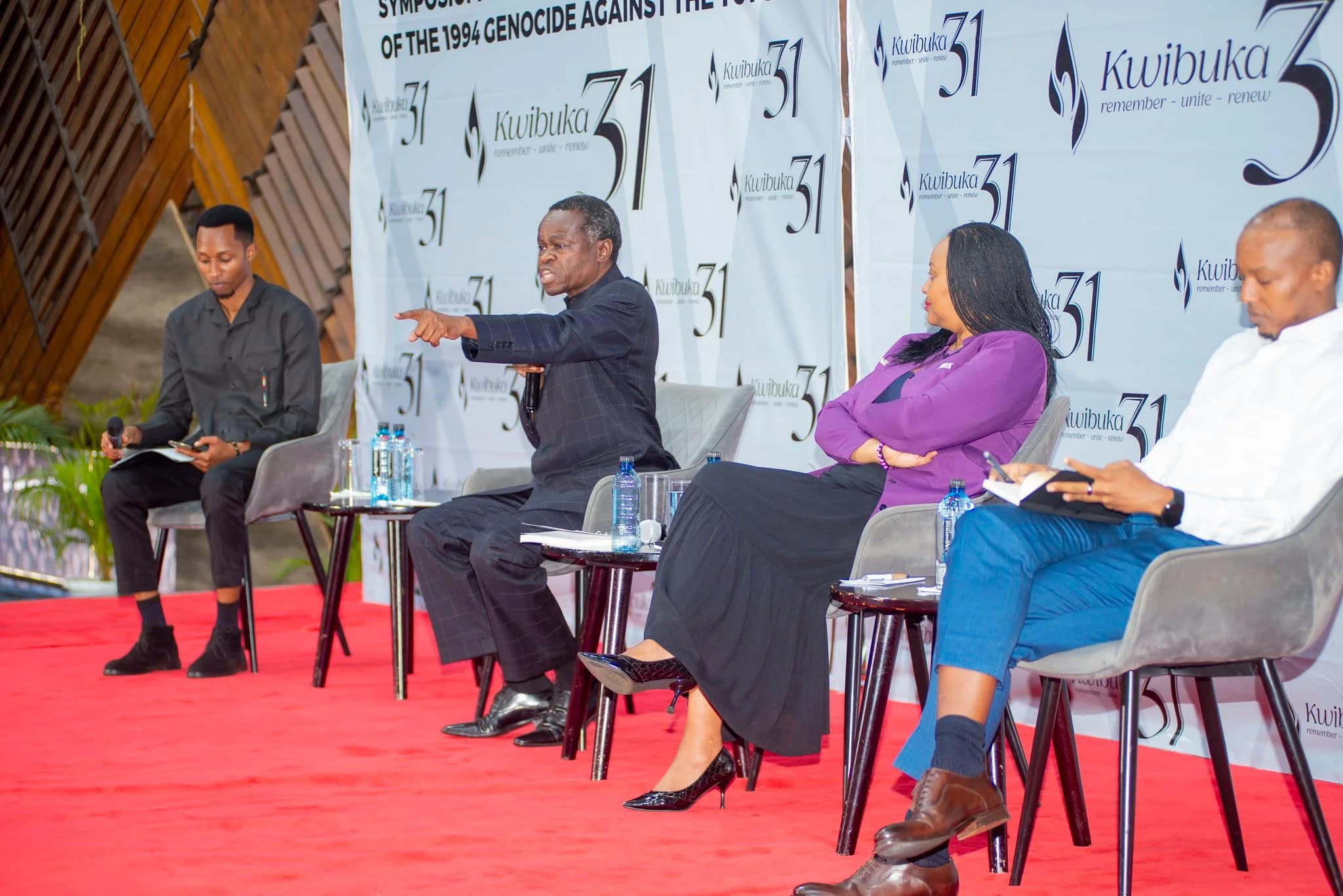
Panellists at the symposium on the 31st commemoration of the 1994 Genocide against the Tutsi at KICC on 1 April 2025. (Photo: Courtesy).
He emphasized that Rwanda’s story should serve as an example to the world. He also criticized the tendency of some African countries to seek assistance from the very nations that contributed to their challenges, underscoring the need for Africans to unite in addressing the continent’s issues. “It is illogical that some countries in the region are seeking help from the same nations that contributed to these problems. We must come together as Africans, discuss our issues, and take concrete steps to address them,” he urged. Addressing genocide prevention, Prof. Lumumba stressed that regional and continental institutions must take the lead in crafting African solutions to African problems rather than relying on external assistance.
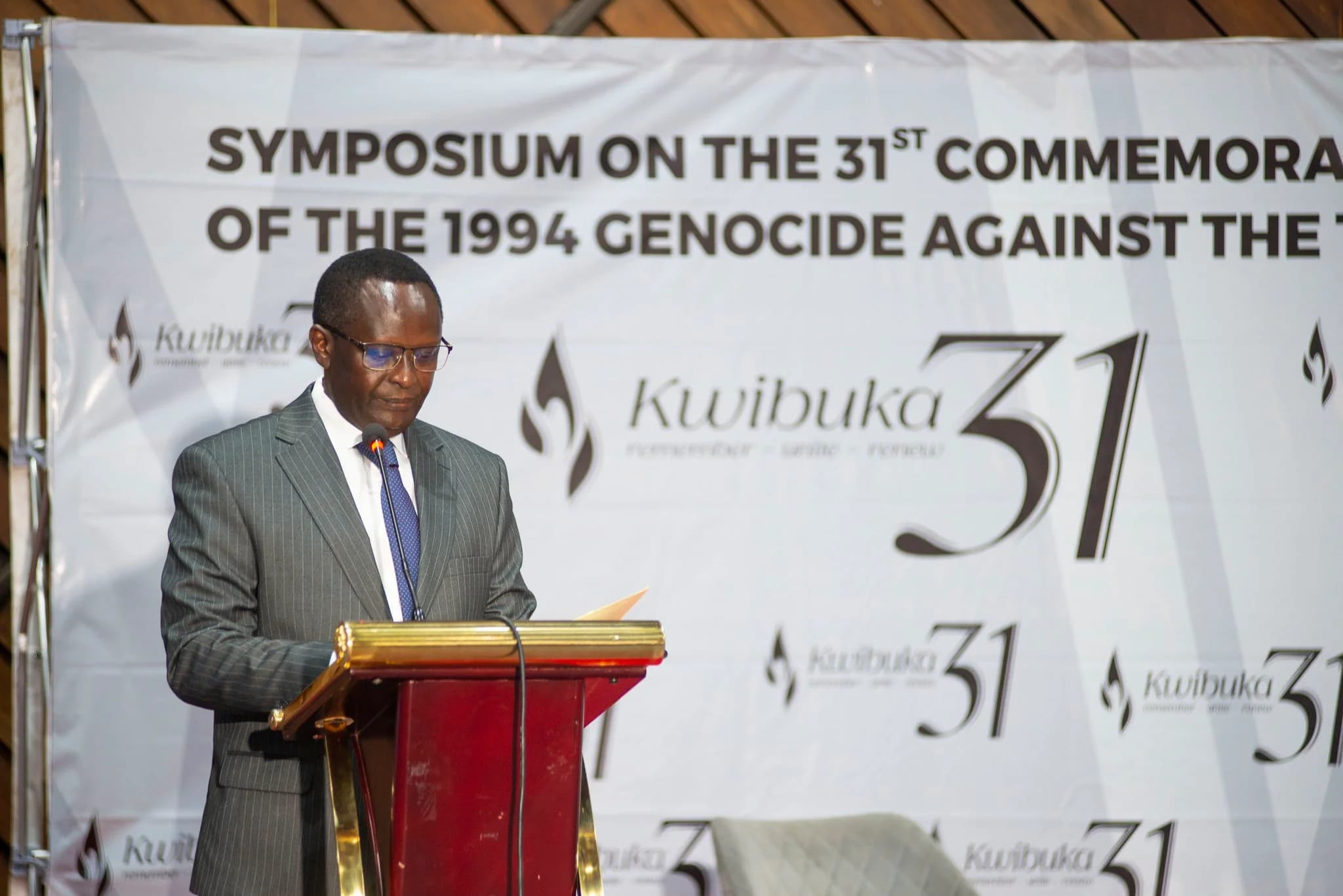
In his remarks, Rwandan High Commissioner to Kenya Martin Ngoga said that the symposium is not just an academic gathering, but a moral duty, a call to reflection, and a collective responsibility to remember, to learn and to act. "By gathering testimonies, analyzing evidence, and sharing research, the symposium helps prevent historical distortion and keeps the truth alive for future generations," he said. He added that Rwanda’s experience is a global lesson, emphasizing the need to examine the failures that allowed such a horrific crime to occur, confront the persistent dangers of genocide ideology, and strengthen mechanisms to prevent future atrocities.
Ngoga also stressed the importance of bringing genocide perpetrators to justice, particularly those who have found refuge in foreign countries despite overwhelming evidence of their crimes. He asserted that justice for genocide victims is not just a Rwandan issue but a global moral obligation. On April 7, 2025, Rwanda will commence activities to mark the 31st commemoration of the 1994 Genocide against the Tutsi, in which more than a million people were killed in a carefully planned massacre that lasted 100 days.

Comments
No comments yet. Be the first to share a thought.