
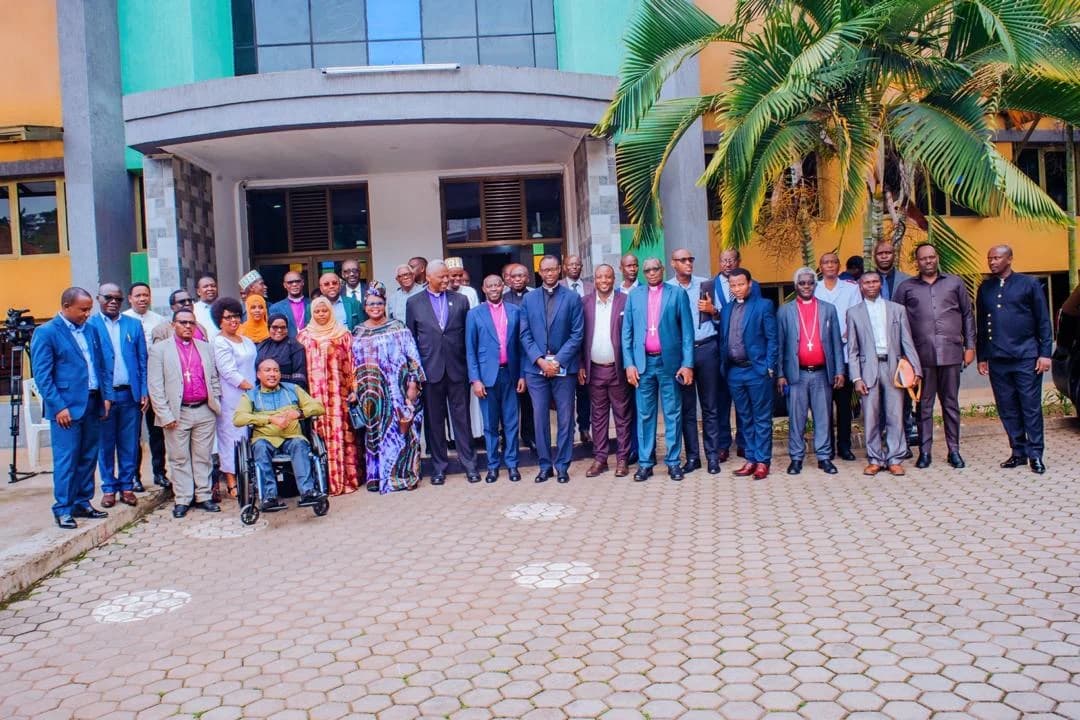
On February 6, 2025, the Conference Hall of the Rwanda Bible Society hosted a crucial meeting that brought together leaders from various religious denominations under the umbrella of the Rwanda Interfaith Council (RIC). This gathering aimed to discuss pressing issues affecting religious institutions, including places of worship, misleading teachings, the titles and roles of religious leaders, and the overall governance of religious organizations. One of the main concerns raised during the meeting was the issue of worship locations, particularly the increasing number of prayer gatherings held
On February 6, 2025, the Conference Hall of the Rwanda Bible Society hosted a crucial meeting that brought together leaders from various religious denominations under the umbrella of the Rwanda Interfaith Council (RIC). This gathering aimed to discuss pressing issues affecting religious institutions, including places of worship, misleading teachings, the titles and roles of religious leaders, and the overall governance of religious organizations. One of the main concerns raised during the meeting was the issue of worship locations, particularly the increasing number of prayer gatherings held in unsuitable environments such as caves and forests. The council resolved that measures must be put in place to ensure that places of worship are properly designated and meet security standards. Furthermore, the participants urged the Rwanda Governance Board (RGB) and local authorities to oversee and protect legal worship sites to prevent arbitrary closures of churches that comply with regulations. The rise of misleading religious teachings was another critical topic of discussion. The council emphasized the need for religious institutions, including churches, denominations, and the Catholic Church, to actively counter false doctrines. Religious umbrella organizations were instructed to hold consultations with their members by March 31, 2025, to develop strategies to address this growing issue. To curb disorderly religious practices, the council proposed that the government should engage with RIC before approving new religious organizations. This measure aims to ensure that all new religious groups operate within the legal framework and adhere to established ethical and governance standards. Additionally, concerns were raised regarding individuals conducting wedding ceremonies without legal authorization. The council recommended stricter enforcement to prevent unauthorized officiations, as such practices could have serious implications for families and society at large. The meeting also extended beyond domestic religious matters to international security concerns, particularly the ongoing instability in eastern Democratic Republic of the Congo (DRC). Advisors at the conference urged RIC to craft a message promoting peace and reconciliation in the region. This would be achieved through interfaith dialogues, religious teachings, and collaboration with relevant stakeholders to support long-term peace efforts. Participants expressed their appreciation for the platform provided by the meeting, acknowledging its role in fostering meaningful discussions and decisive resolutions. They further advocated for regular engagements of this nature to enhance collaboration among religious organizations and uphold the rights of worshippers both within Rwanda and beyond. This meeting underscored the vital role of religious institutions in promoting social order, security, and ethical leadership. The resolutions made are expected to guide future actions in ensuring that religious practices align with national governance standards while preserving the fundamental right to worship.
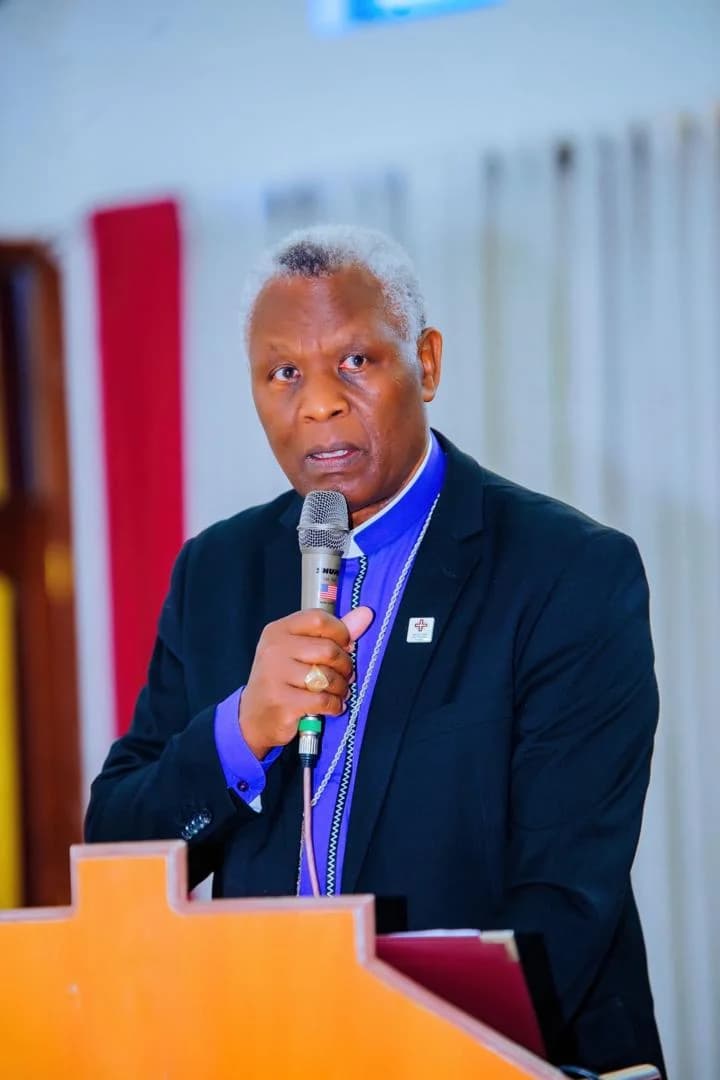
Archbishop Laurent Mbanda, President of RIC
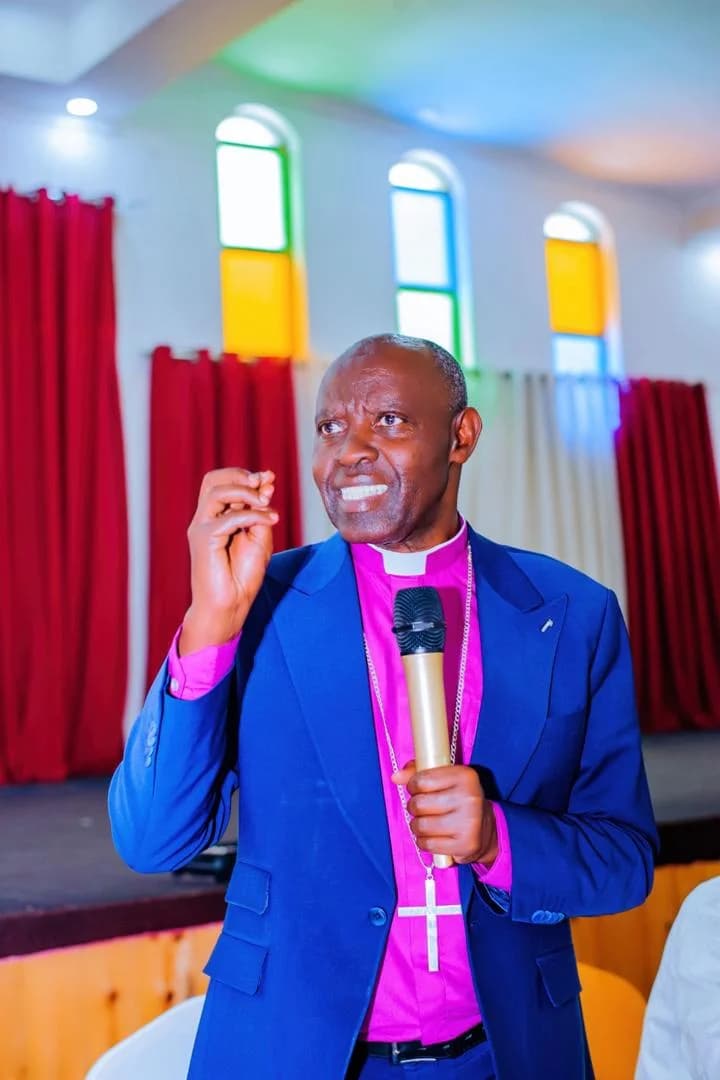
Bishop Kayinamura
First Vice-President of RIC

Sheikh Musa Sindayigaya
Second Vice-President of RIC
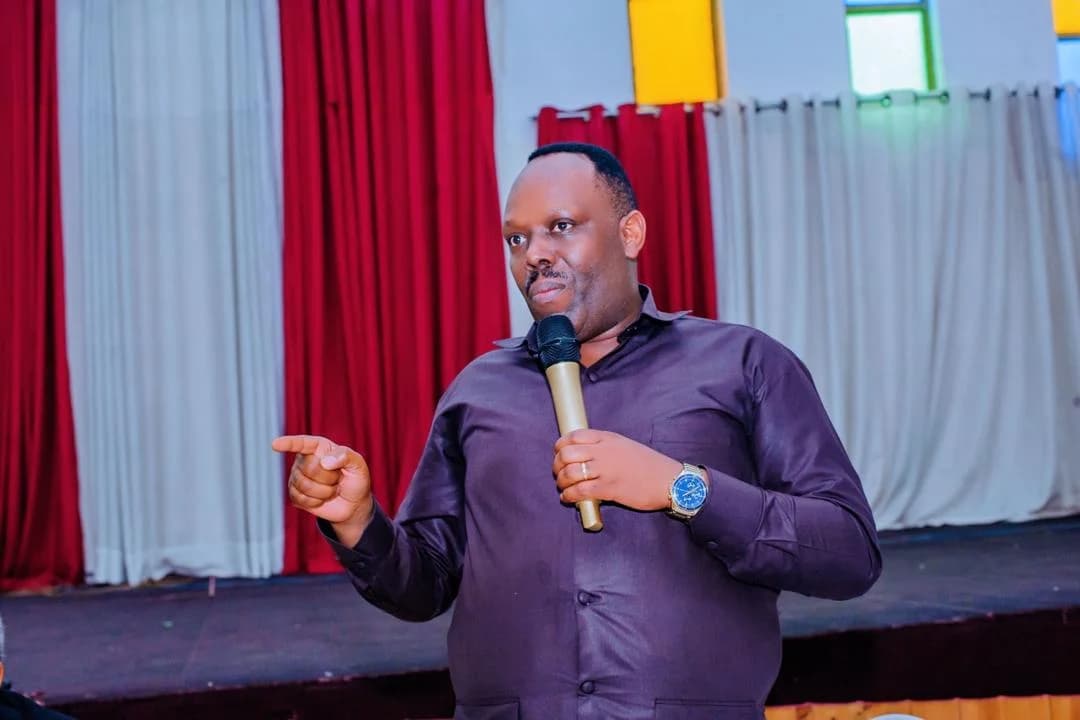
Prof. Bishop Fidele Masengo, Secretary General of RIC


Comments
No comments yet. Be the first to share a thought.