
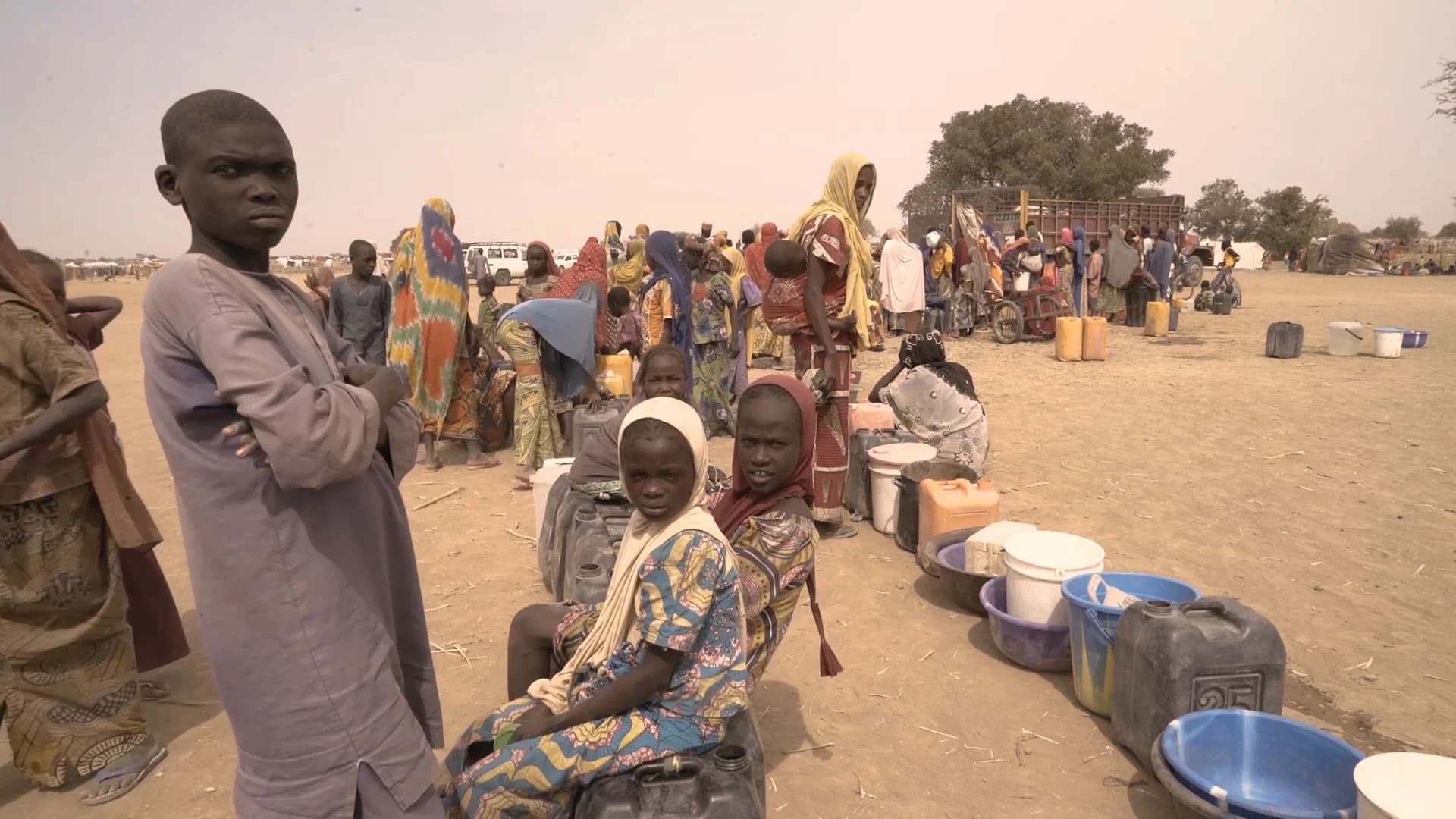
The threat from Boko Haram jihadists, once widely perceived to be extinguished, is again causing deep concern in Nigeria’s north-east, recent reports suggest. In Maiduguri, capital of Borno State and known as the birthplace of Boko Haram, signs of resilience are visible. Along the road from the airport into the city, the freshly repainted walls of a girls’ college stand as a symbol of defiance against the militant group's long-running campaign against western education as its name translates “western education is forbidden”. As reported by The Guardian, at the height of Boko Haram’s insurgen
The threat from Boko Haram jihadists, once widely perceived to be extinguished, is again causing deep concern in Nigeria’s north-east, recent reports suggest. In Maiduguri, capital of Borno State and known as the birthplace of Boko Haram, signs of resilience are visible. Along the road from the airport into the city, the freshly repainted walls of a girls’ college stand as a symbol of defiance against the militant group's long-running campaign against western education as its name translates “western education is forbidden”. As reported by The Guardian, at the height of Boko Haram’s insurgency, bombs frequently rocked the city's popular Monday Market. However, Maiduguri has not suffered a major attack since February 2021, creating a relatively relaxed security atmosphere. Founded in 2002, Boko Haram escalated its violent campaign following the 2009 death of its leader Mohammed Yusuf at the hands of police. The conflict has since claimed over 36,000 lives and displaced 2.2 million people. One of the insurgency’s most notorious incidents remains the abduction of 276 schoolgirls from Chibok in April 2014. Yet on 8 April 2025, Borno’s governor, Babagana Zulum, issued a stark warning that Boko Haram was making a comeback. Speaking at a security meeting, Zulum said, “Renewed attacks and kidnappings are occurring almost on a daily basis without confrontation,” and warned that the authorities were “losing ground.” His warning followed closely after gunmen raided two military bases in Borno and his security convoy reportedly intercepted a Boko Haram ambush. While casualty figures from both incidents remain unclear, they have fueled concerns of resurgence. In response, a military spokesperson emphasized the sacrifices of security forces. “The military is sacrificing a lot, and our efforts should be appreciated.” Nigeria’s information minister, Mohammed Idris, echoed a more optimistic view, asserting that the armed groups have been “largely dissipated.” He added, “We’re not saying that we have 100% exterminated Boko Haram, but I think that we’ve degraded Boko Haram significantly for them to pose any kind of significant challenge for us as a country.” Governor Zulum, however, was sharply critical of this stance, responding: “I believe he is naive about what is happening in the country,” The Guardian reported. The multinational coalition involving Cameroon, Chad, Niger, and Nigeria has, in recent years, reclaimed significant territory from Boko Haram, securing key garrison towns. Boko Haram itself has been weakened by internal factionalism, with rival groups often clashing violently. In January 2024, President Bola Tinubu pledged to “stamp out the remaining vestiges of Boko Haram, Ansaru, banditry, and kidnapping gangs.” He declared: “We won’t rest until every agent of darkness is completely rooted out.” Nevertheless, security analysts note that Nigerian forces are struggling to contain insurgents in the so-called "Timbuktu Triangle," an area stretching from eastern Yobe State into western Borno — a nod to the historic Malian city once a jihadist stronghold. Beyond recent attacks on military bases, local media reported in January that 40 farmers were killed and others kidnapped by Boko Haram and Islamic State West Africa Province (ISWAP) fighters. ISWAP, which split from Boko Haram to align with Islamic State, has developed a different model, taxing local villages and remitting funds to their commanders. The resurgence has also raised alarms over Nigeria’s controversial resettlement program. Thousands of displaced households, previously housed in camps, have been returned to their home villages — potentially exposing them to renewed threats. The International Crisis Group warned as early as 2023 that “the hasty process is endangering displaced people’s lives – putting them closer to the fighting and cutting them off from support,” adding that such vulnerabilities could offer jihadist groups an opportunity to forge closer ties with relocated communities. In Yobe State, tensions remain high. In September, 34 civilians were killed in an attack, and in March, a pro-Tinubu media outlet reported that Boko Haram militants had issued eviction threats to villagers in Gujba — the site of a 2013 school massacre. However, authorities dismissed the report, stating there was “no credible intelligence” supporting the claim. Further complicating the security landscape, Niger’s withdrawal from the regional coalition in late March raised fears over reduced intelligence sharing and diminished counter-insurgency capabilities following the withdrawal of French and American forces from the Sahel. Although a new regional security force has been established, it remains largely non-operational. In Maiduguri, there is growing frustration toward the Tinubu administration. Some residents accuse the national security adviser of prioritizing political matters over urgent security needs. Speaking anonymously from a clinic in Maiduguri, an aid worker lamented: “Everybody has forgotten Maiduguri,” as student nurses moved through the corridors.
Comments
No comments yet. Be the first to share a thought.