
Addis Ababa, Ethiopia – 11 th Feb 2026, Rwanda’s Minister of Foreign Affairs and International Cooperation Amb. Olivier J.P Nduhungirehe is attending the 48th Ordinary Session of the African Union (AU) Executive Council, held this Wednesday 11 th to 12 th February 2026, ahead of the 39th AU Summit scheduled from 14 th to 15 th February. The meeting brings together foreign ministers and designated ministers from AU member states to coordinate policy decisions and prepare agenda items for the Assembly of the Heads of State and Government, in line with the African Union’s long term developme
Addis Ababa, Ethiopia – 11
th
Feb 2026, Rwanda’s Minister of Foreign Affairs and International Cooperation Amb. Olivier J.P Nduhungirehe is attending the 48th Ordinary Session of the African Union (AU) Executive Council, held this Wednesday 11
th
to 12
th
February 2026, ahead of the 39th AU Summit scheduled from 14
th
to 15
th
February. The meeting brings together foreign ministers and designated ministers from AU member states to coordinate policy decisions and prepare agenda items for the Assembly of the Heads of State and Government, in line with the African Union’s long term development blueprint, Agenda 2063.
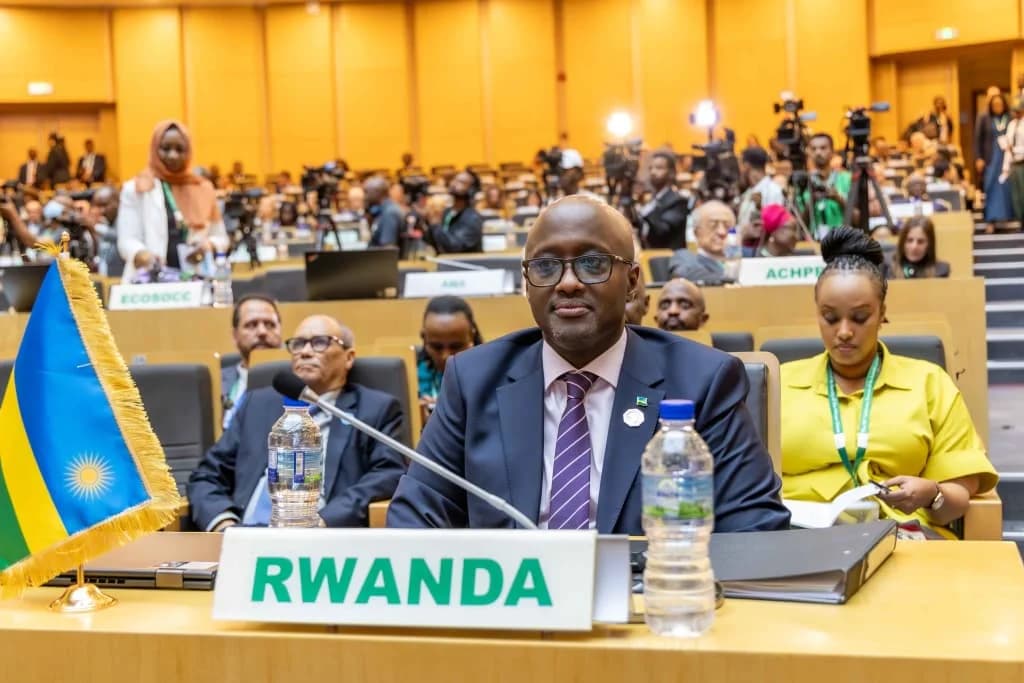
Amb. Olivier J.P Nduhungirehe, Minister of Foreign Affairs and International Cooperation
This year’s AU Summit is held under the theme of ensuring sustainable water availability and safe sanitation systems, an issue closely linked to climate resilience, public health and economic development across Africa.
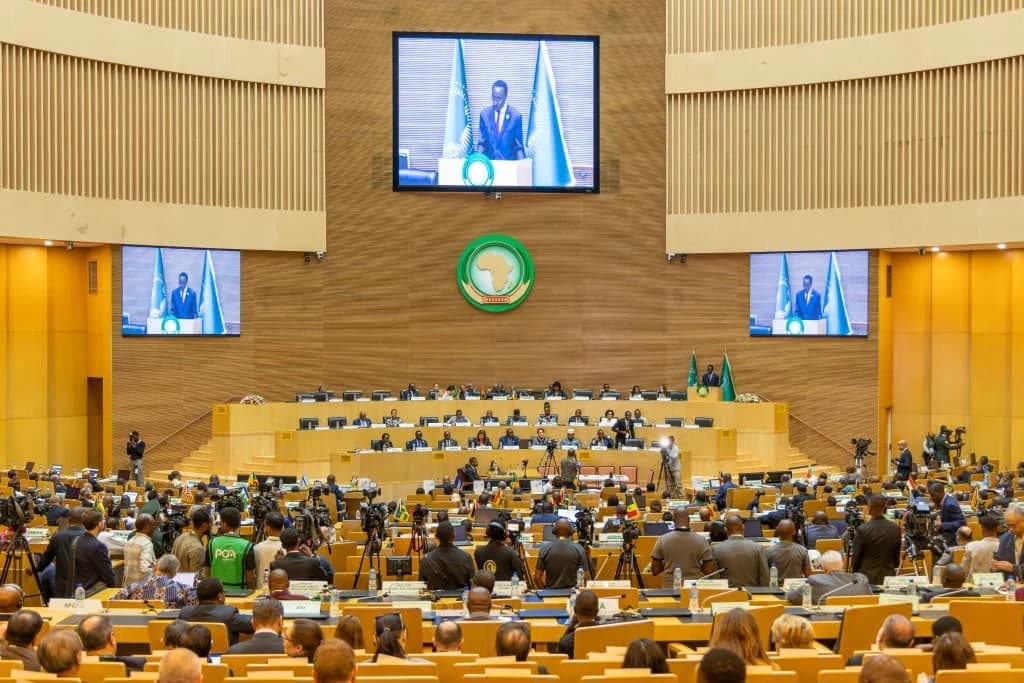
48th Ordinary Session of the African Union (AU) Executive Council
The AU Executive Council traces its roots to the transformation of the Organisation of African Unity (OAU) into the African Union in 2002. When the AU was established through the constitutive act (adopted in 2000 and implemented from 2002), the Executive Council became one of its principal organs. Before the AU, a similar structure existed under the OAU known as the Council of Ministers. The current Executive Council is essentially its successor, continuing the role of coordinating continental policies among member states. The Executive Council is considered as one of the AU’s main policy shaping organs. It bridges technical ministerial work and the political decisions made by heads of state during summits.
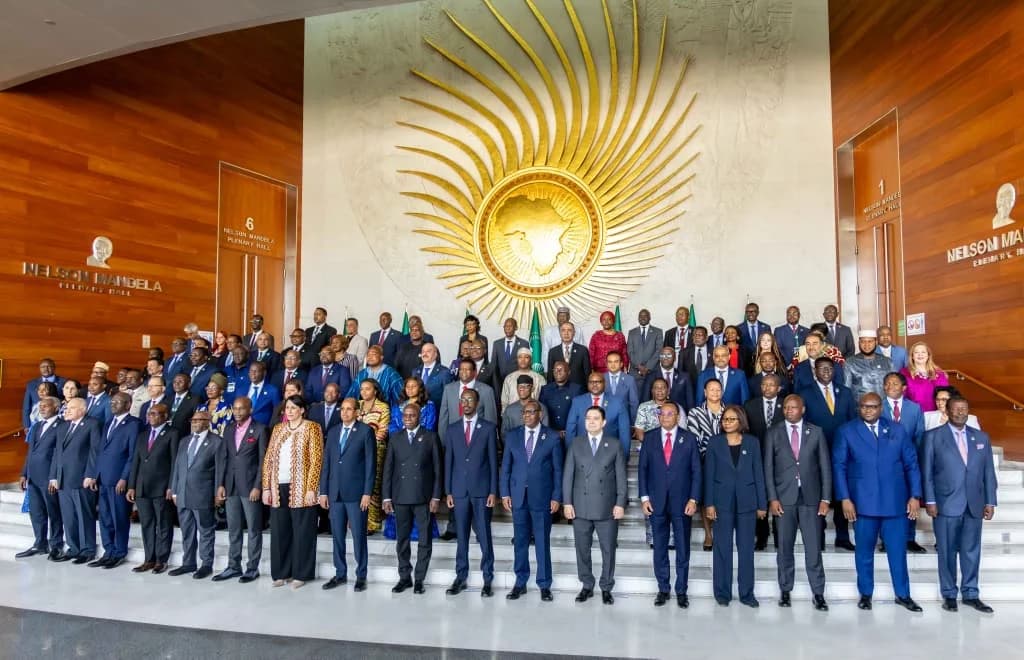
Through these sessions, African countries coordinate continental strategies in sectors such as trade and economic integration, agriculture and food security, energy and environment, health, education and social development, science, technology, and migration policy. The 48th session continues a long tradition of ministerial coordination within the AU system. With water security and sanitation now central to the AU agenda, discussions are expected to link infrastructure investment, climate adaptation, and public health goals across the continent. Source: MINAFFET Rwanda

Comments
No comments yet. Be the first to share a thought.