
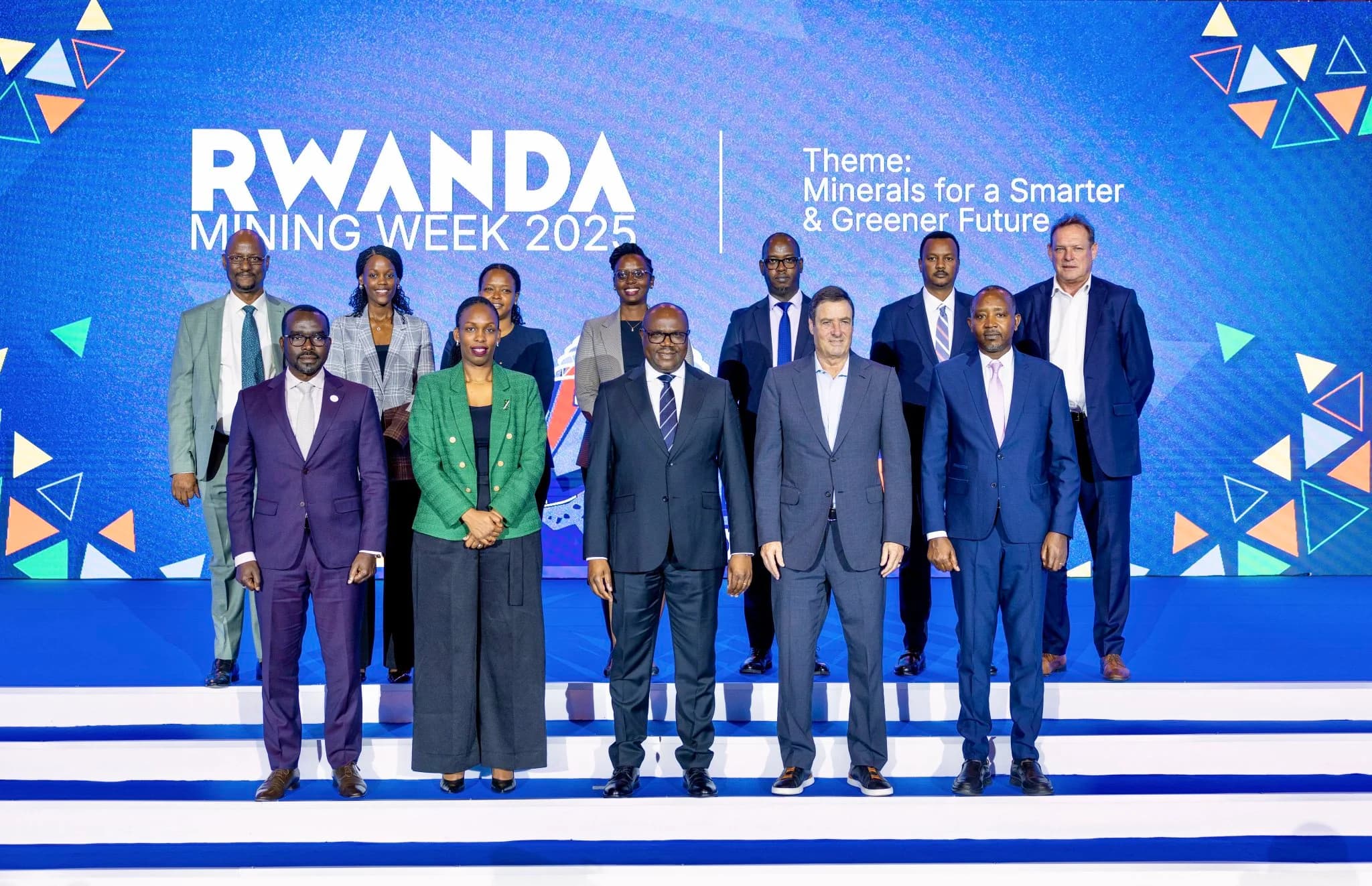
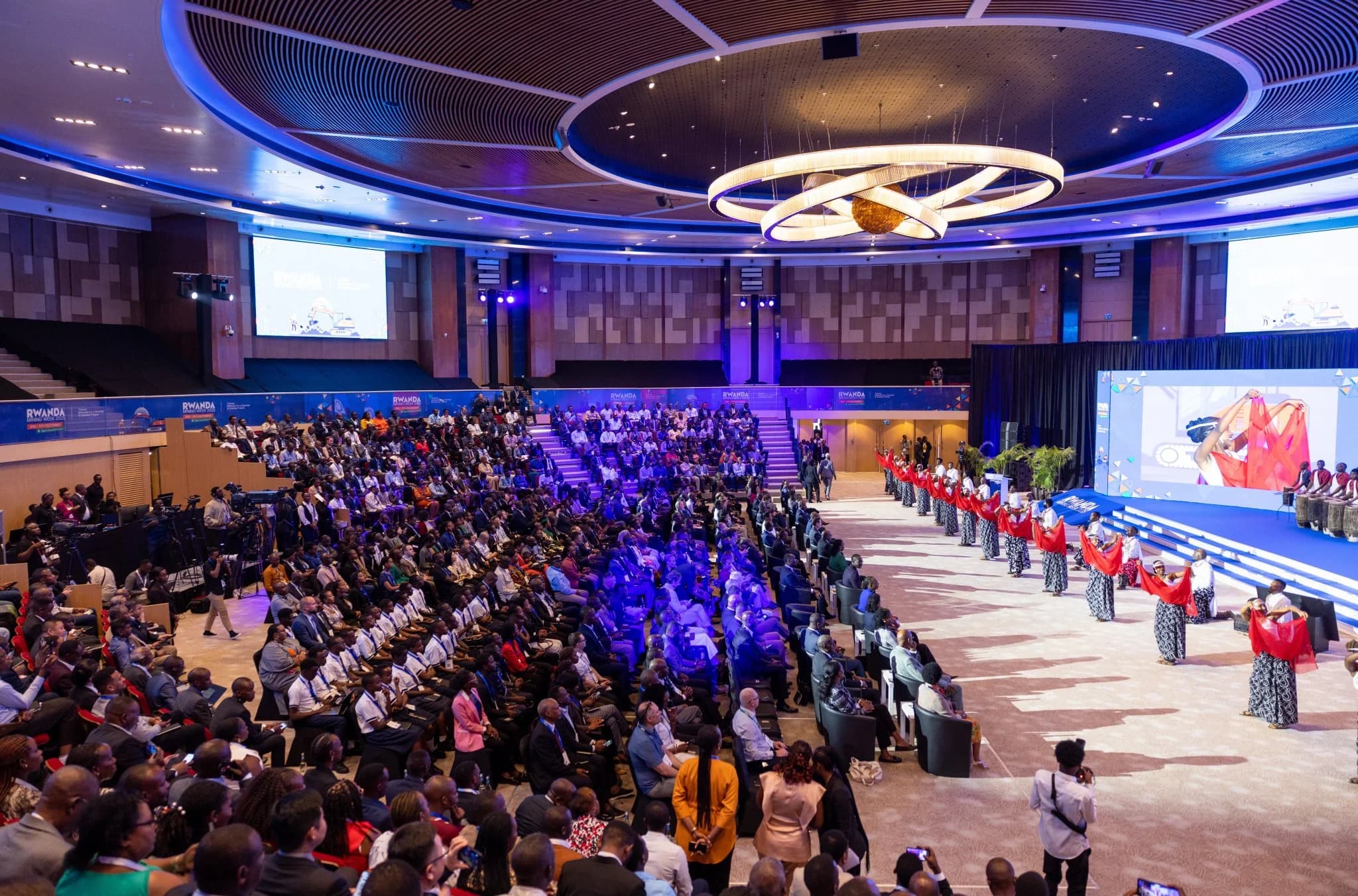
Prime Minister Justin Nsengiyumva on Tuesday, December 2, opened the eighth edition of Rwanda Mining Week at the Kigali Convention Center, calling for stronger collaboration and innovation to drive sustainable growth in the mining sector. Held under the theme “Minerals for a Smarter & Greener Future,” the four-day event has brought together more than 700 delegates, including global investors, policymakers, mining companies, financial institutions, technology innovators, and development partners. The gathering aims to explore Rwanda’s growing role in the global critical minerals landscape. Th
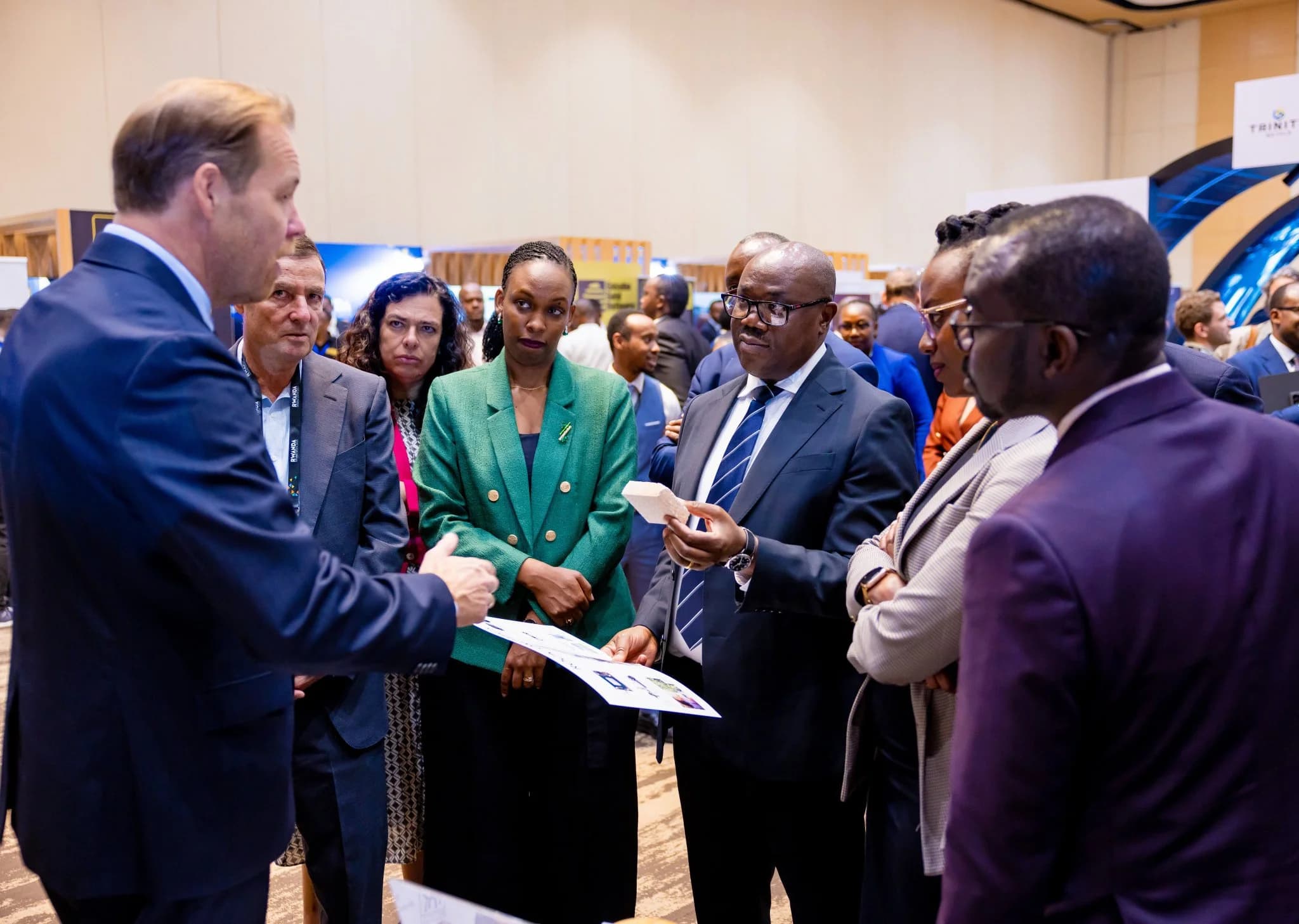
Prime Minister Justin Nsengiyumva on Tuesday, December 2, opened the eighth edition of Rwanda Mining Week at the Kigali Convention Center, calling for stronger collaboration and innovation to drive sustainable growth in the mining sector. Held under the theme “Minerals for a Smarter & Greener Future,” the four-day event has brought together more than 700 delegates, including global investors, policymakers, mining companies, financial institutions, technology innovators, and development partners. The gathering aims to explore Rwanda’s growing role in the global critical minerals landscape. The programme features a high-level opening ceremony, the launch of the Mining Investment Pitchbook, expert panel discussions, exhibitions, site visits to key mining and processing facilities, and targeted networking sessions. Alice Uwase, Chief Executive of the Rwanda Mines, Petroleum and Gas Board (RMB), said Rwanda’s mining sector has undergone significant transformation—from early geological surveys and artisanal operations to a modern, diversified, and increasingly mechanised industry. “We are advancing towards mechanized mineral extraction, on-site beneficiation, as well as advanced value addition involving refining facilities for gold, tantalum and tin already operational in Rwanda,” she said.
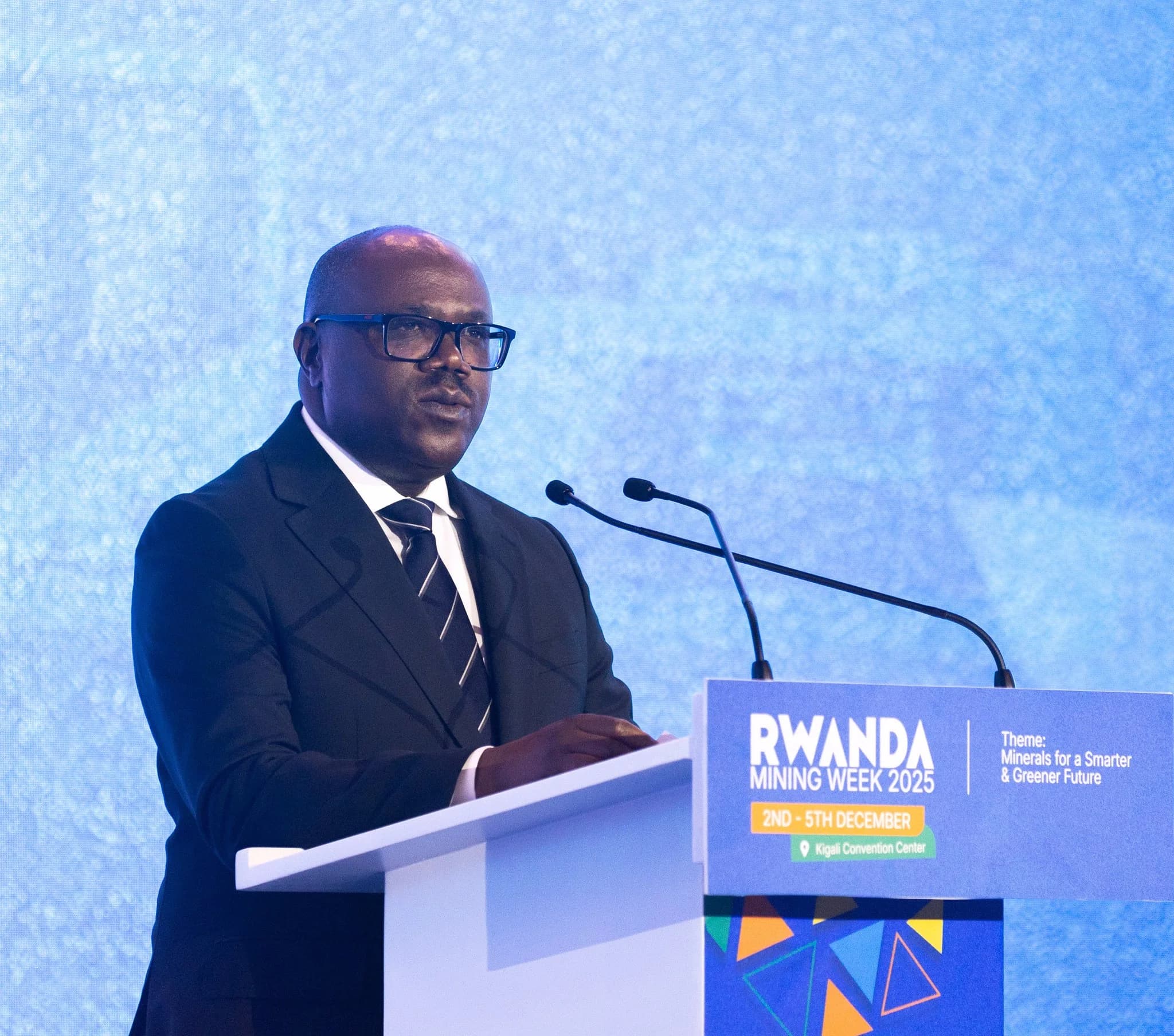
Prime Minister Justin Nsengiyumva on Tuesday, December 2, opened the eighth edition of Rwanda Mining Week at the Kigali Convention Center
Addressing the delegates, Prime Minister Nsengiyumva said the strong attendance “reflects the growing recognition of Rwanda as a trusted and forward-looking partner in the global mining sector.” This year’s theme, he said, emphasizes the role of minerals in shaping modern economies and supporting the global shift toward clean energy systems. “The theme underscores the central role that minerals play in powering modern economies and in accelerating the global transition towards environmental sustainability,” Nsengiyumva said. He noted that mining is more than resource extraction, highlighting the sector’s wider contribution to national development. “Mining is not only about the extraction of resources. It is about creating opportunities for growth, innovation and shared prosperity,” he said. The Prime Minister described the mining sector as “a key pillar of our national development,” providing livelihoods to thousands and positioning Rwanda as “a reliable supplier of strategic minerals to the world.” Rwanda Mining Week continues throughout the week, with discussions centered on sustainability, value addition, and strengthening regional cooperation in mineral supply chains.
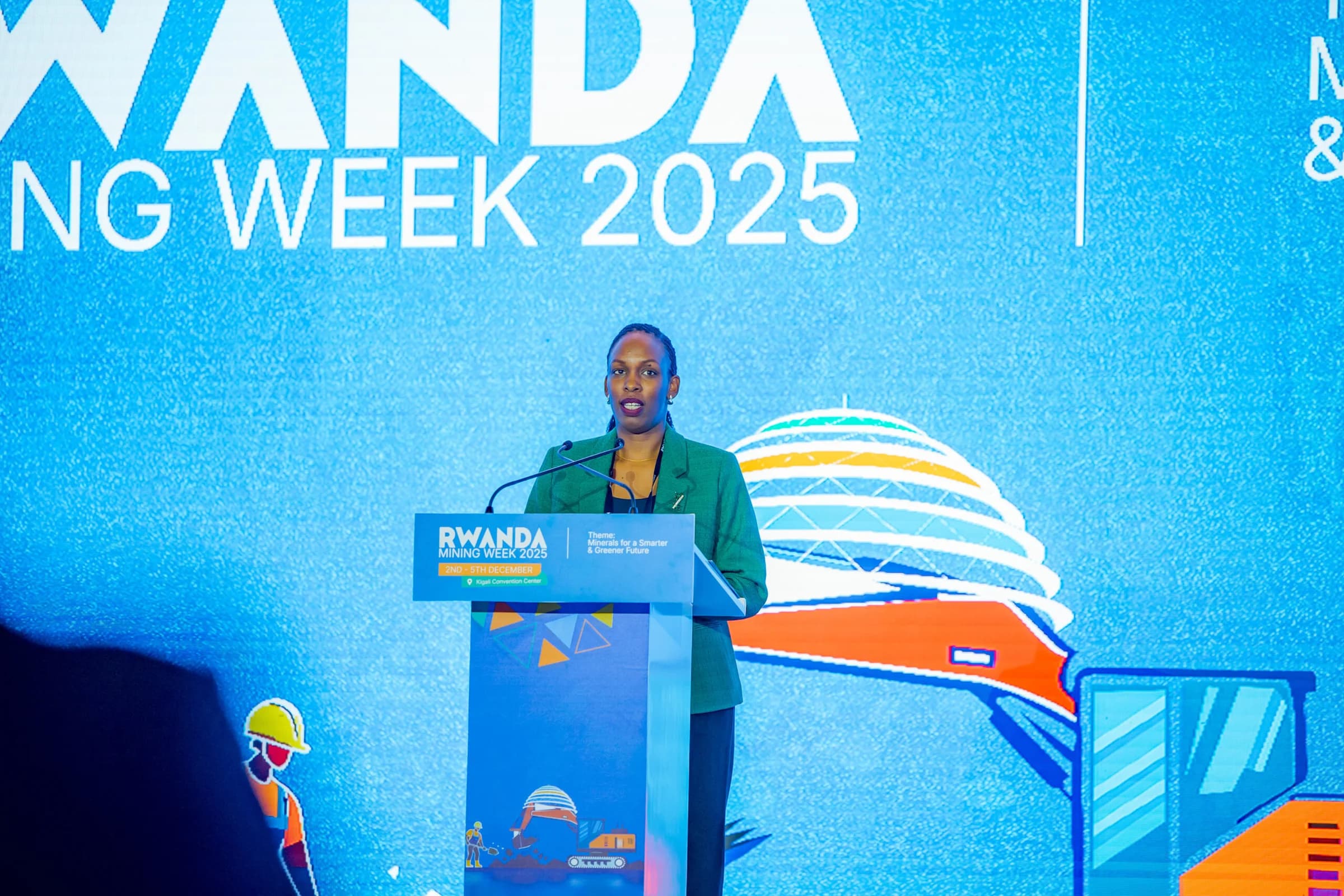
Alice Uwase, Chief Executive of the Rwanda Mines, Petroleum and Gas Board (RMB)
According to the Rwanda Mines, Petroleum and Gas Board (RMB), Rwanda hosts numerous historical mineral occurrences and active mines. Major commodities include cassiterite (76% Sn), wolframite (35–70% tungsten), columbite-tantalite (25–55% tantalum), native gold (99.999% Au), and other pegmatite-related rare minerals such as rare earth elements (REEs), beryl, lithium-bearing minerals, phosphate minerals, and gemstones. The country is also endowed with industrial minerals such as amphibolite, granite, quartzite, volcanic rocks, clay, sand, and gravel. Rwanda also has abundant peat resources, used for electricity generation or as an alternative to firewood. Rwanda produces between 8,000 and 9,000 tons of 3T minerals annually, with revenues depending on global market price fluctuations. The country remains one of the world’s top producers of tantalum, contributing more than 22% of the global supply used in electronics manufacturing as of 2024. Mining in Rwanda dates back to the early 1930s. Since then, the sector has undergone major reforms, becoming one of Rwanda’s leading sources of export revenue. In 2024, the mining sector generated USD 1.75 billion in export earnings. By December 2025, it employed more than 92,000 people and contributed approximately 3% to the national GDP.

Comments
No comments yet. Be the first to share a thought.