
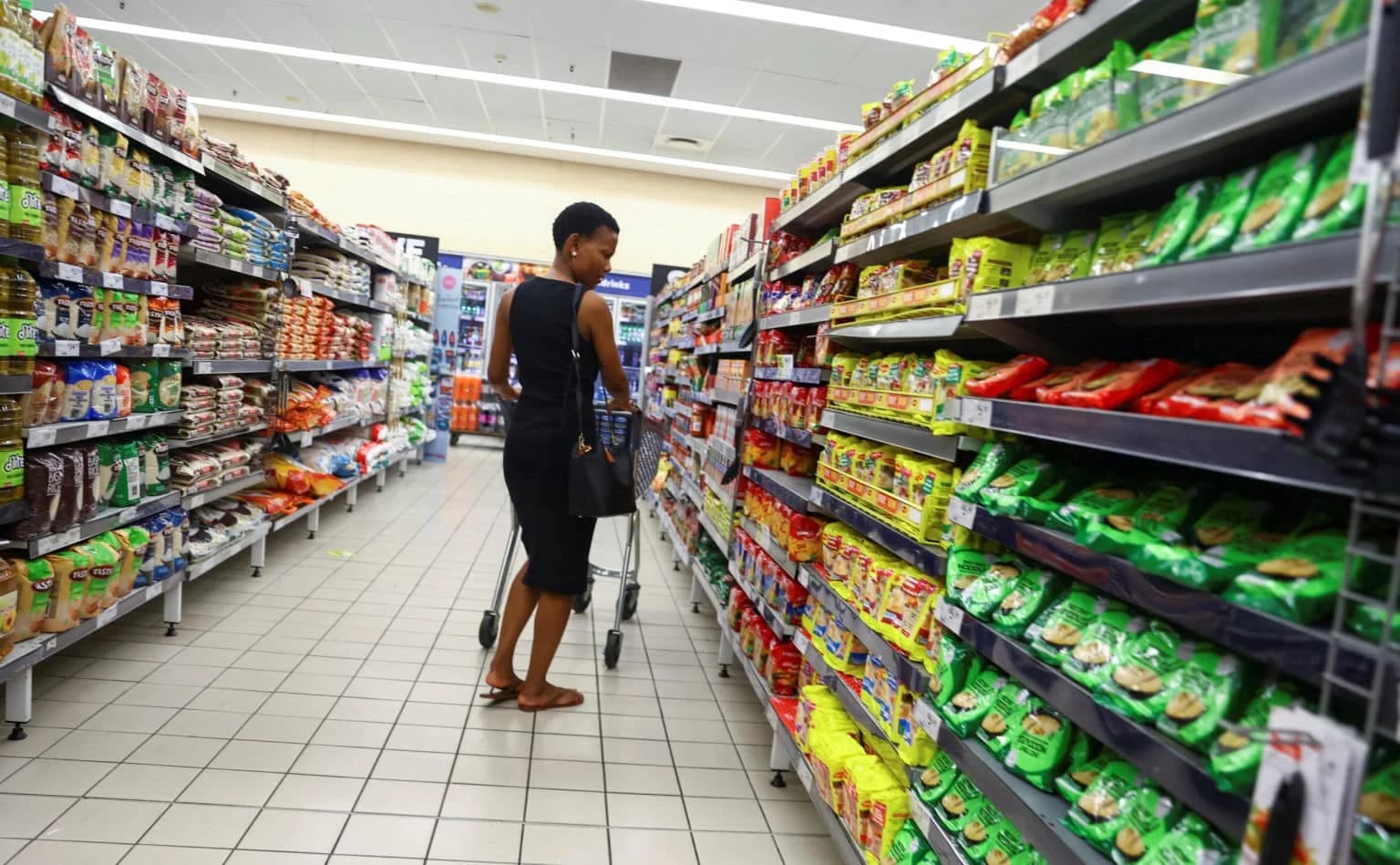
South Africa’s rising inflation has increased expectations that the country’s central bank will introduce another interest rate hike as it seeks to control growing price pressures. Data released by Statistics South Africa on Wednesday showed that annual consumer inflation accelerated to a two-year high of 5.0% in June 2026, up from 4.5% in May. The figure was higher than economists’ expectations of 4.7%. The increase was mainly driven by higher transport costs, with fuel prices rising sharply following the impact of the Iran war on global energy markets. Core inflation, which excludes volat
South Africa’s rising inflation has increased expectations that the country’s central bank will introduce another interest rate hike as it seeks to control growing price pressures. Data released by Statistics South Africa on Wednesday showed that annual consumer inflation accelerated to a two-year high of 5.0% in June 2026, up from 4.5% in May. The figure was higher than economists’ expectations of 4.7%. The increase was mainly driven by higher transport costs, with fuel prices rising sharply following the impact of the Iran war on global energy markets. Core inflation, which excludes volatile categories such as food and energy, also increased to 4.1%, above forecasts of 3.9%. The latest figures have strengthened expectations that the South African Reserve Bank (SARB) will raise interest rates for the second consecutive time when it announces its policy decision. Independent economist Elize Kruger said the latest inflation data had created conditions for a possible 25 basis point interest rate increase. Analysts had already been expecting tighter monetary policy following a rise in inflation expectations among households, a key factor considered by the central bank when making decisions. The Reserve Bank aims to keep inflation around 3% and has already revised its inflation forecasts for 2026 and 2027 to 4.4% and 3.7%, respectively. Economists warned that continued inflation pressures could increase borrowing costs for households and businesses, while policymakers balance the need to control prices with supporting economic growth.

Comments
No comments yet. Be the first to share a thought.