
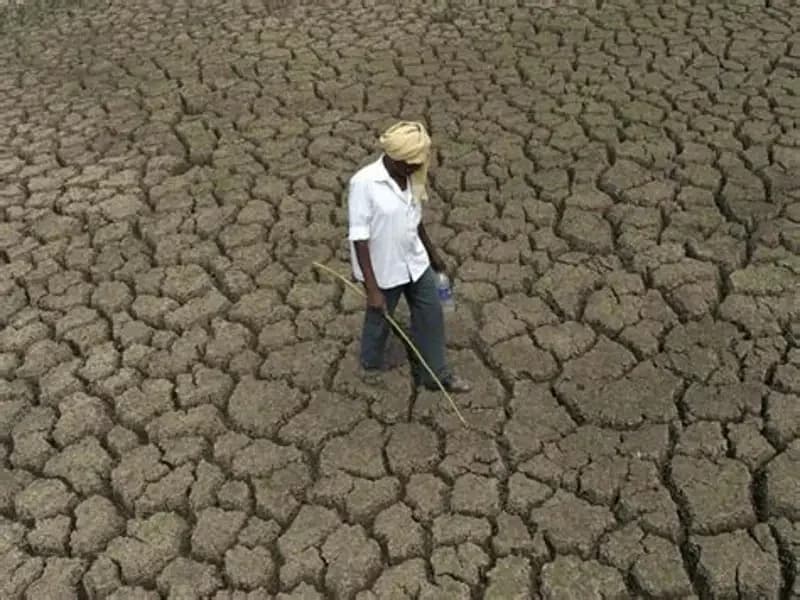
Sudan’s farmers are facing another devastating agricultural season as unusually low Nile water levels and delayed rainfall leave fields dry, threaten crops and deepen food insecurity in a country already struggling with the consequences of war. Along the Nile, farmers are struggling to pump enough water onto their land, while in some communities residents have gathered for prayers for rain. Fields that would normally be green during this period remain brown and cracked, leaving many farmers uncertain about whether they will harvest anything this season. The agricultural crisis comes as Sudan c
Sudan’s farmers are facing another devastating agricultural season as unusually low Nile water levels and delayed rainfall leave fields dry, threaten crops and deepen food insecurity in a country already struggling with the consequences of war.
Along the Nile, farmers are struggling to pump enough water onto their land, while in some communities residents have gathered for prayers for rain. Fields that would normally be green during this period remain brown and cracked, leaving many farmers uncertain about whether they will harvest anything this season.
The agricultural crisis comes as Sudan continues to suffer from a devastating war between the army and the Rapid Support Forces, which began in April 2023. The conflict has displaced millions of people, disrupted markets and severely damaged the country’s agricultural production and food supply.
Now, climate conditions are adding another layer of pressure. The UN Food and Agriculture Organization says the agricultural season is unfolding under heightened climate risks associated with El Niño, which has contributed to delayed and below-average rainfall and longer dry spells.
The impact is particularly severe in Gedaref state, near the Ethiopian border, one of Sudan’s major agricultural regions and an important producer of sorghum and sesame. Farmers say the rains they depend on have arrived late, leaving crops vulnerable and forcing some to reconsider whether it is worth continuing to cultivate their land.
Climate and hydrology scientist Elfatih Eltahir of the Massachusetts Institute of Technology has studied the relationship between El Niño and Nile water flows for decades. His research indicates that El Niño conditions are strongly associated with reduced Nile flows and an increased risk of drought in southeastern Sudan and northwestern Ethiopia, where the Blue Nile originates.
Data from the University of Tübingen indicates that water levels in the reservoir behind Ethiopia’s Grand Ethiopian Renaissance Dam were significantly lower in July than during the same month last year. Experts say the situation highlights the need for greater cooperation and transparency between Ethiopia, Sudan and Egypt over Nile water management, particularly as climate change increases the likelihood of extreme droughts and floods.
The consequences are being felt downstream in Sudan’s major farming areas. In Al-Jazira state, farmers who had only recently returned to their land after fighting and looting disrupted agricultural activities are once again struggling to keep their farms alive.
For many, the problem is not simply a lack of rain or water. The cost of farming has also surged. Sudan relies heavily on imported fuel and fertiliser, while the war and wider regional instability have pushed prices dramatically higher. Some farmers say the cost of planting has multiplied several times, making it increasingly difficult to earn a profit even when crops survive.
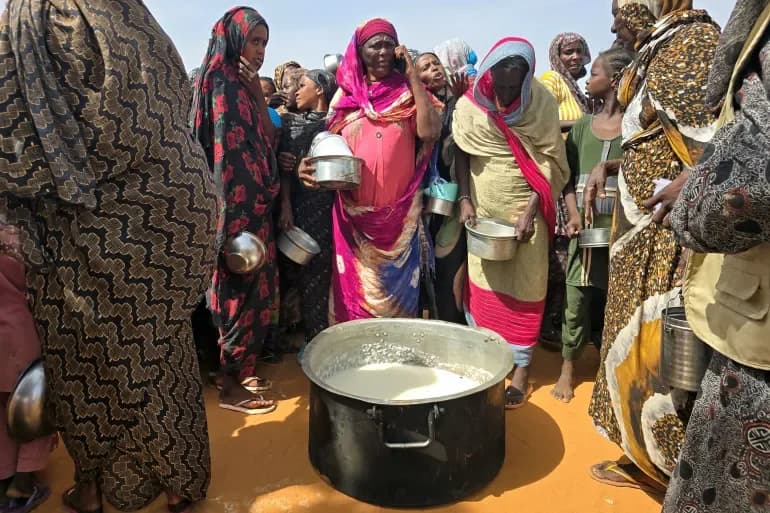
The crisis comes at a particularly dangerous time. Much of Sudan’s agricultural land is already out of production because of the war, while millions of people are facing severe hunger. Farmers abandoning fields or allowing crops to die could further reduce domestic food supplies and increase dependence on humanitarian assistance.
For Sudan’s farmers, the situation has become a struggle for survival on several fronts: war has disrupted their livelihoods, rising prices have made production increasingly expensive, and now a changing climate is threatening the water and rainfall they depend on.
As one farmer put it, the season has become a question not of how much profit can be made, but simply whether there will be enough water and resources to keep farming at all.

Comments (2)
This is worrying. Thanks for keeping us informed.
Thank you for reading and for joining the conversation.
Interesting angle. Any data on how this compares to last year?