
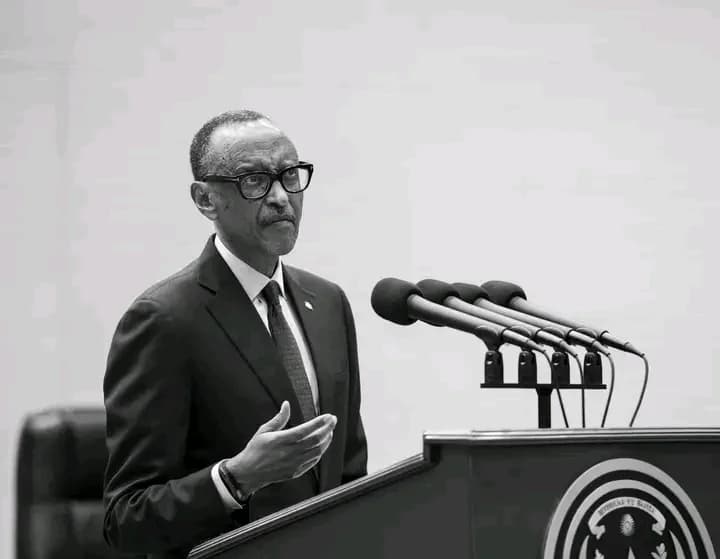
In a recent address, President Paul Kagame of Rwanda articulated a growing frustration with the international community’s stance on the Democratic Republic of Congo (DRC) and its handling of the Democratic Forces for the Liberation of Rwanda (FDLR). The FDLR, a rebel group with roots in the Rwandan genocide, has long been a destabilizing force in the region. Kagame’s pointed remarks highlight the complex interplay of regional politics, international diplomacy, and the ongoing struggle for peace and stability in Central Africa. The FDLR was formed in the aftermath of the 1994 Rwandan genocide,
In a recent address, President Paul Kagame of Rwanda articulated a growing frustration with the international community’s stance on the Democratic Republic of Congo (DRC) and its handling of the Democratic Forces for the Liberation of Rwanda (FDLR). The FDLR, a rebel group with roots in the Rwandan genocide, has long been a destabilizing force in the region. Kagame’s pointed remarks highlight the complex interplay of regional politics, international diplomacy, and the ongoing struggle for peace and stability in Central Africa. The FDLR was formed in the aftermath of the 1994 Rwandan genocide, consisting primarily of Hutu extremists who participated in the genocide before fleeing to the DRC. Over the years, the group has been implicated in numerous atrocities, including massacres, sexual violence, and the recruitment of child soldiers. Their presence in eastern Congo has been a persistent source of tension between Rwanda and the DRC, as well as a barrier to regional stability. Despite various international efforts to disarm and disband the FDLR, the group remains active. Their continued operations contribute to the instability and humanitarian crises in the region, affecting both Congolese civilians and neighboring countries, particularly Rwanda. President Kagame’s recent statements underscore his exasperation with what he perceives as a lackluster response from both the DRC and the international community. Kagame criticized the international community’s seemingly indifferent stance, suggesting that they have effectively left the problem for Congo to solve on its own terms. His remarks imply that the international community’s support for the DRC is unwavering, regardless of whether the Congolese government addresses the FDLR issue. “Do they have to beg them [to deal with the FDLR]?” Kagame questioned. “In other words, they [the international community] are telling Congo, solve that problem if you want but if you don’t want we are still with you.” This statement encapsulates a broader sentiment that the international community’s approach lacks urgency and accountability. Kagame’s frustration is compounded by the perceived passivity of the Congolese government in addressing the threat posed by the FDLR. Kagame’s rhetoric suggests a need for a more proactive and decisive response to the FDLR threat. He implies that Rwanda might consider taking matters into its own hands if the current state of inaction persists. “Shall we react to that in a manner we think fit to resolve that? There is no question about it,” Kagame asserted. This signals a potential shift towards unilateral action, should diplomatic efforts and international pressure fail to yield results. Such a move would not be without precedent. Rwanda has previously intervened in the DRC, citing the need to protect its national security interests and to combat armed groups operating near its borders. However, unilateral interventions carry significant risks, including the potential for escalating conflicts and straining international relations. The international community, particularly the United Nations and regional bodies like the African Union, plays a critical role in addressing the FDLR issue. However, Kagame’s comments suggest a disconnect between international efforts and the realities on the ground. Effective resolution requires a multifaceted approach, combining diplomatic pressure, support for Congolese security forces, and robust peacekeeping operations. Moreover, there needs to be a concerted effort to address the underlying causes of conflict in the region, including governance issues, economic disparities, and historical grievances. The international community must also hold the DRC accountable for its responsibilities while providing the necessary support to ensure sustainable peace.

Comments
No comments yet. Be the first to share a thought.