
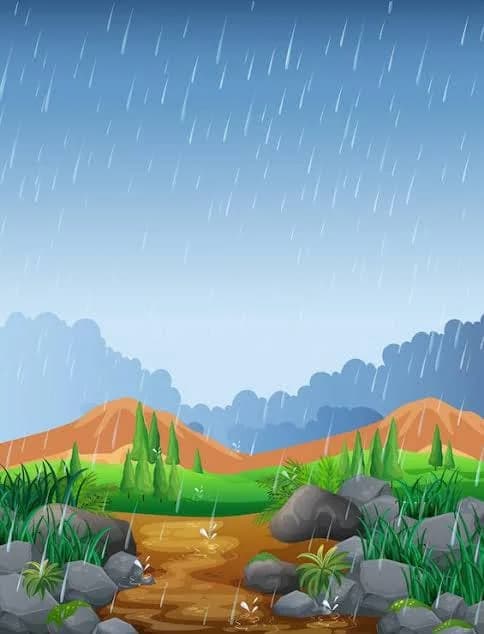
For generations, farmers have relied on familiar rainfall patterns to decide when to prepare their land, plant crops and expect harvests. But across many parts of Africa, including East Africa, those patterns are becoming harder to predict. The change is not simply that there is “less rain.” Scientists say the bigger issue is rainfall variability : when rain arrives, how intensely it falls, how long dry periods last and how these patterns change from one season to another. The Intergovernmental Panel on Climate Change (IPCC) reports that East Africa has experienced strong precipitation varia
For generations, farmers have relied on familiar rainfall patterns to decide when to prepare their land, plant crops and expect harvests. But across many parts of Africa, including East Africa, those patterns are becoming harder to predict. The change is not simply that there is “less rain.” Scientists say the bigger issue is rainfall variability: when rain arrives, how intensely it falls, how long dry periods last and how these patterns change from one season to another. The Intergovernmental Panel on Climate Change (IPCC) reports that East Africa has experienced strong precipitation variability, including intense wet periods that have contributed to widespread flooding. The IPCC also warns that heavy precipitation is expected to become more intense in many parts of Africa as the climate warms. One reason is rising global temperatures. A warmer atmosphere changes the movement and storage of water, influencing evaporation, moisture in the atmosphere and rainfall systems. This can contribute to heavier rainfall when conditions are favourable, while other periods experience prolonged dryness. Africa is already experiencing the consequences. The World Meteorological Organization’s 2025 State of the Climate in Africa report says the continent is warming faster than the global average. It also identifies floods as the most frequently reported extreme weather hazard, while drought affected more than 8.5 million people in East Africa in 2025. Natural climate patterns also matter. Phenomena such as El Niño and La Niña can temporarily influence rainfall across different regions, producing unusually wet or dry conditions. Human activity can add further pressure. Deforestation and changes in land use can alter local water cycles, while expanding cities and degraded land can increase the impact of heavy rainfall by reducing the ability of water to soak into the ground. This is why a community may experience weeks without rain, followed by several hours of extremely heavy rainfall. The annual amount of rain alone does not tell the whole story. For farmers, this uncertainty can be costly. Rain arriving too early, too late or in intense bursts can damage crops, wash away soil and increase flooding, while extended dry periods can reduce soil moisture and agricultural production. The WMO says extreme weather and climate-related events affected at least 13 million people across Africa in 2025, demonstrating how rainfall and climate extremes are increasingly connected to livelihoods, food security and development. So, when people ask, “Why doesn't rain fall like it used to?”, the scientific answer is more complicated than simply blaming a shortage of rain. The real story is that the climate system is changing and with it, the timing, intensity and reliability of rainfall. For countries whose agriculture depends heavily on predictable seasons, understanding that change may become just as important as predicting the next rainfall.
Comments
No comments yet. Be the first to share a thought.