
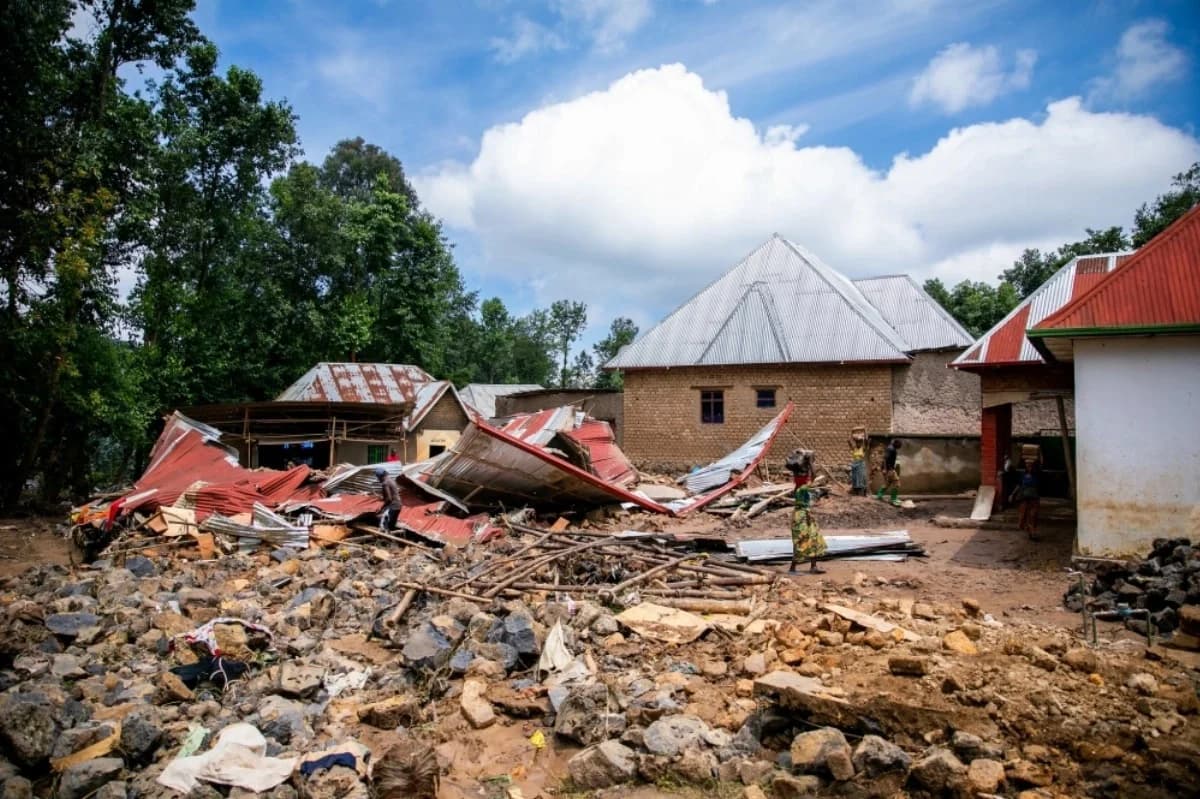
At least 11 people have died and about 130 hectares of crops have been washed away by rain-induced disasters across Rwanda between February 1 and 22, according to data published by The New Times , citing the Ministry in charge of Emergency Management (MINEMA). The fatalities were largely caused by lightning strikes, which claimed eight lives, while two people died in landslides and one person drowned in floodwaters, The New Times reported. Rutsiro District recorded the highest number of deaths with five fatalities. Nyarugenge followed with three, while Huye registered two. Other affected distr
At least 11 people have died and about 130 hectares of crops have been washed away by rain-induced disasters across Rwanda between February 1 and 22, according to data published by The New Times, citing the Ministry in charge of Emergency Management (MINEMA).
The fatalities were largely caused by lightning strikes, which claimed eight lives, while two people died in landslides and one person drowned in floodwaters, The New Times reported.
Rutsiro District recorded the highest number of deaths with five fatalities. Nyarugenge followed with three, while Huye registered two. Other affected districts reported injuries and significant damage to property and infrastructure.
According to The New Times, 49 people were injured during the same period and 147 houses were damaged. The worst-hit districts in terms of infrastructure and housing included Gasabo, Gicumbi, Kayonza and Nyabihu.
Beyond human casualties, the impact on public infrastructure has been severe. The rains damaged nine classrooms, affected 10 road sections and swept away 21 bridges. The ministry also reported the loss of 12 head of cattle, further compounding the economic burden on affected families.
The scale of destruction comes as the Rwanda Meteorology Agency forecasts above-average rainfall between late February and May. The March–May seasonal outlook projects rainfall totals ranging between 280 and 800 millimetres, slightly higher than the long-term average of 270 to 770 millimetres.
For the period between February 21 and 28 alone, rainfall amounts of 80 to 150 millimetres are expected nationwide, significantly above the 30-year average of 10 to 80 millimetres, raising concerns about heightened flood and landslide risks.
MINEMA warned that the ongoing rains could trigger additional disasters including landslides, flooding, lightning, strong winds and hailstorms, often resulting in deaths, injuries, destruction of homes, crop damage and environmental degradation.
Authorities urged residents to inspect homes and buildings that show signs of structural weakness, particularly older houses, those built without foundations, and homes located below embankments, near rivers, wetlands and lakes, or in areas lacking proper drainage systems. Residents were advised to vacate houses exhibiting visible cracks, leaking walls or any signs of possible collapse.
The ministry also cautioned the public against attempting to cross overflowing rivers, streams and bridges, and called on parents and guardians to assist children commuting through flood-prone areas. Additional safety measures include avoiding wetlands and waterlogged paths during heavy rainfall, driving cautiously on slippery roads, keeping children away from open pits and trenches, handling electrical appliances carefully during thunderstorms, and staying clear of fallen or exposed electricity lines.
Communities were encouraged to clear blocked rivers and drainage channels, stabilise slopes near homes, avoid dumping waste in drainage systems and install lightning conductors where possible. Local leaders were urged to intensify disaster prevention efforts by organising community work to clear drainage infrastructure, temporarily relocating households in high-risk zones and strengthening rapid emergency response mechanisms.
The latest figures highlight Rwanda’s continued vulnerability to climate-related disasters, particularly during the March–May rainy season, historically one of the wettest periods of the year. Experts have consistently linked the increasing intensity of rainfall events in East Africa to broader climate variability patterns, underscoring the need for strengthened early warning systems, resilient infrastructure and community preparedness.
As the peak rainy season approaches, authorities say coordinated prevention efforts and public vigilance will be critical in reducing further loss of life and property.



Comments
No comments yet. Be the first to share a thought.