
1975 is a landmark year that reshaped Australia's national identity. Now, fifty years later, the National Library of Australia is unveiling a major exhibition titled 1975: Living in the Seventies , opening on August 14, that will explore the seismic events of one of the country's most transformative years. According to The Guardian , inspiration is drawn from the iconic Skyhooks album, and the exhibition delves into how political reforms, pop culture, fashion, and global conflict collided in a pivotal moment of social and cultural evolution. “It was one of Australia’s ‘hinge years’,” says Gu
1975 is a landmark year that reshaped Australia's national identity. Now, fifty years later, the National Library of Australia is unveiling a major exhibition titled
1975: Living in the Seventies
, opening on August 14, that will explore the seismic events of one of the country's most transformative years. According to
The Guardian
, inspiration is drawn from the iconic Skyhooks album, and the exhibition delves into how political reforms, pop culture, fashion, and global conflict collided in a pivotal moment of social and cultural evolution. “It was one of Australia’s ‘hinge years’,” says Guy Hansen, director of exhibitions at the National Library. “Like 1914 and 1949, it marked a fundamental shift. Australia started to go in a distinct direction.” Hansen, who was a schoolboy in Sydney’s western suburbs at the time, recalls the era’s unique sense of shared experience. “Back then everybody watched the same news,” he says. “The family would sit down and watch the seven o’clock bulletin and hear what James Dibble had to say … and even if you were 11, you got a sense of the world.”
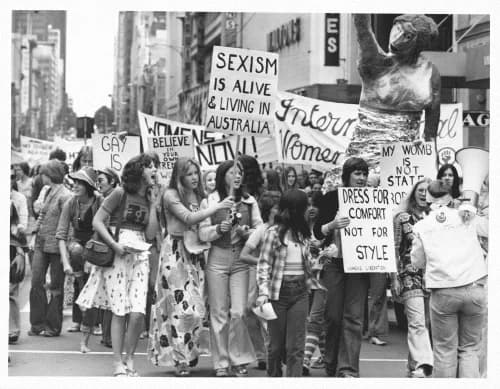
Women on the march wave their placards at the International Women’s Day march, Melbourne, 1975. Photograph: John McKinnon / Australian Information Service via The Guardian
A fear framed by tragedy and revolution
The year began in tragedy. Australians were still recovering from the devastation of Cyclone Tracy in Darwin, which left 66 dead. Just five days into the new year, disaster struck again when the MV Lake Illawarra collided with the Tasman Bridge in Hobart, killing 12. But it ended with an even greater national shock, the dismissal of Prime Minister Gough Whitlam on November 11, a constitutional crisis that ignited one of the most intense political reactions in the nation’s history. Under Whitlam, Australia had undergone sweeping reforms: Medicare was introduced, divorce laws liberalised, and immigration policy reformed to reflect multicultural values. The ripple effects of international events; from the end of the Vietnam War to the invasion of East Timor, were keenly felt at home.
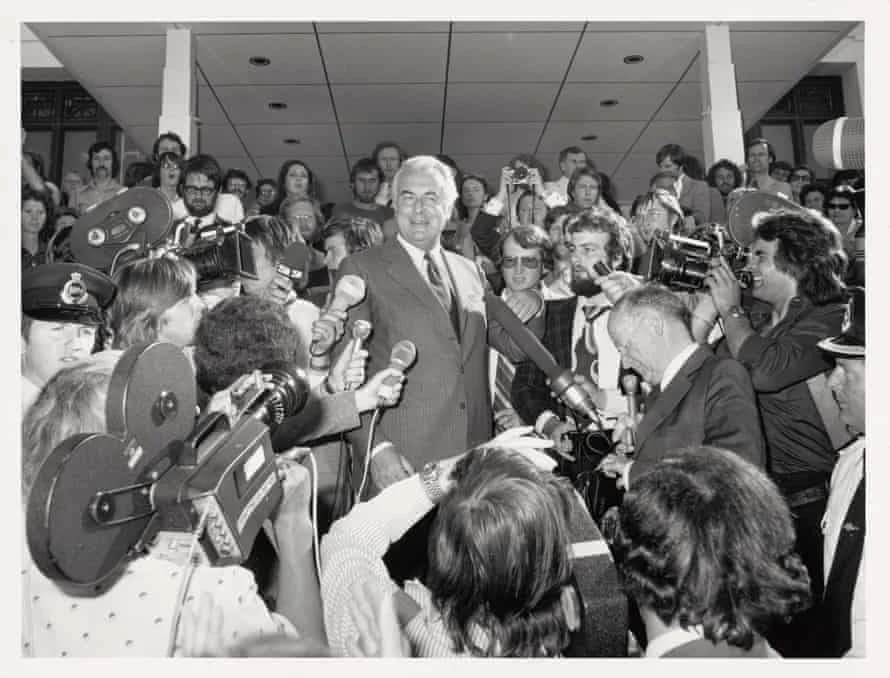
Gough Whitlam speaking on the steps of Parliament House, Canberra. Photograph: Australian Information Service via The Guardian
The civil war in Lebanon spurred a wave of 30,000 migrants to Australia, while around 90,000 Vietnamese refugees arrived following the fall of Saigon.
Australia on the global and domestic stage
1975 was also a year of geopolitical repositioning. Australia’s neighbour, Papua New Guinea, gained independence, while Indonesia’s invasion of East Timor strained diplomatic relations, particularly after five Australian journalists were killed in Balibo. Domestically, economic woes were mounting. Australia could not escape the impact of global stagflation and a looming energy crisis. Meanwhile, the UK saw its own political earthquake with Margaret Thatcher becoming the first woman to lead a major British political party. Back home, Australia’s communications landscape changed forever as the Postmaster-General’s Department was split into Telecom Australia and Australia Post. In South Australia, Premier Don Dunstan, clad in a safari suit, scandalised conservative Australia by decriminalising homosexual acts between consenting adults, a bold move for gay rights. At the same time, Whitlam made history by symbolically handing back land to the Gurindji people, pouring red soil into the hands of Indigenous leader Vincent Lingiari in a gesture that marked the beginning of Indigenous land rights. Amid the political turbulence, a vibrant cultural renaissance took shape. Australia switched to colour television, and the youth voice grew louder with the launch of radio station Double J and the rise of Molly Meldrum on Countdown. Glam rock group Skyhooks defined the local music scene, while cinema flourished with iconic Australian films like Picnic
at Hanging Rock
and
Sunday Too Far Away.
The new wave of Aussie cinema signalled a deeper cultural pride and a desire to tell stories from the country’s own soil.
“There’s this strong nationalism and cultural pride in the ’70s,” Hansen says. “A desire to tell Australian stories.”
The pop-culture touchstones of the era included cult hits like
The Rocky Horror Picture Show
and despite the lingering fear instilled by Jaws, Australians eventually returned to the water.
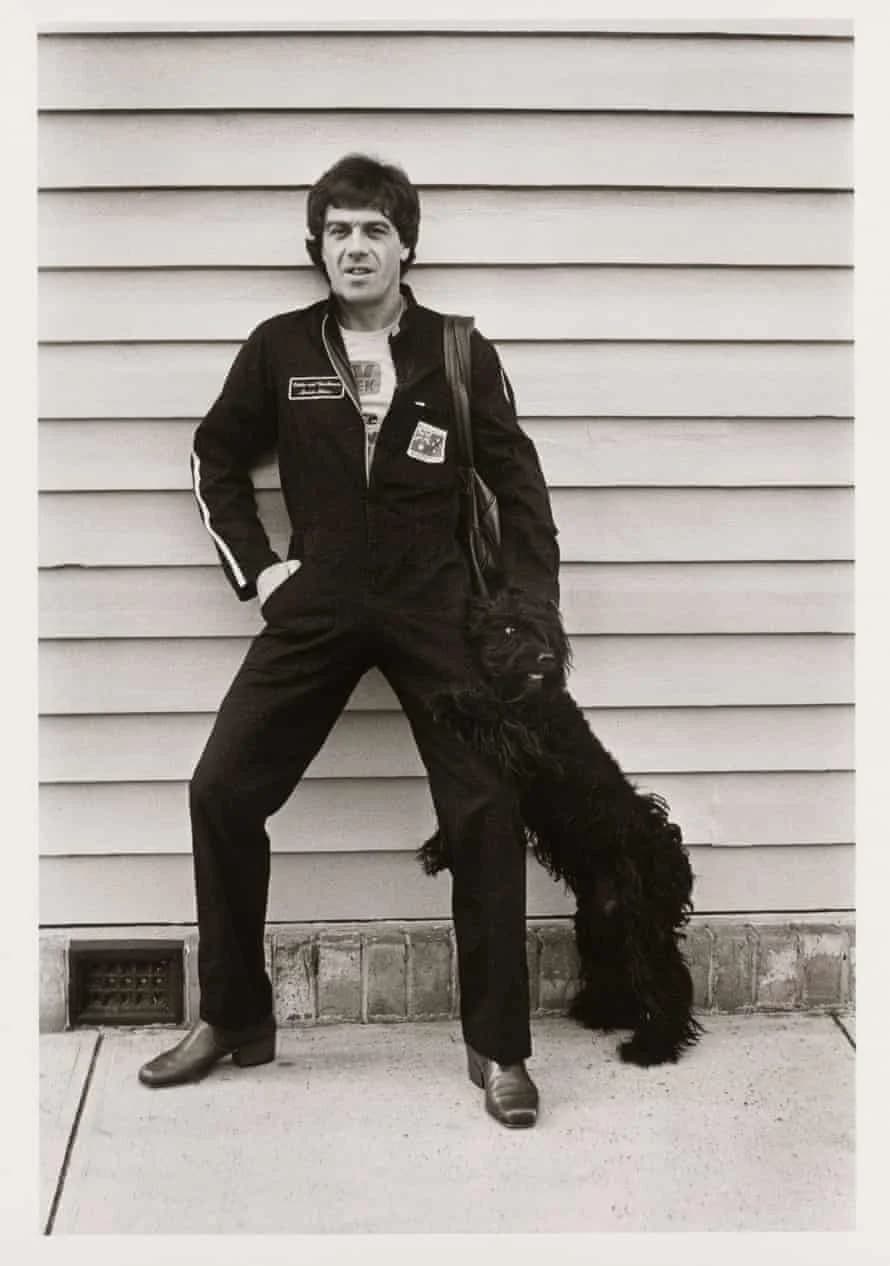
Ian ‘Molly’ Meldrum, Prahran, 1978. Photograph: Rennie Ellis via The Guardian
More than nostalgia: a defining national shift
While it might stir baby boomer nostalgia,
1975: Living in the Seventies
is more than a trip down memory lane. It’s a deep reflection on how Australia redefined itself —politically, socially, and culturally— during a year that changed everything. The exhibition opens on 14 August 2025 and will run until 1 February 2026 at the National Library of Australia in Canberra. Entry is free.



Comments
No comments yet. Be the first to share a thought.