
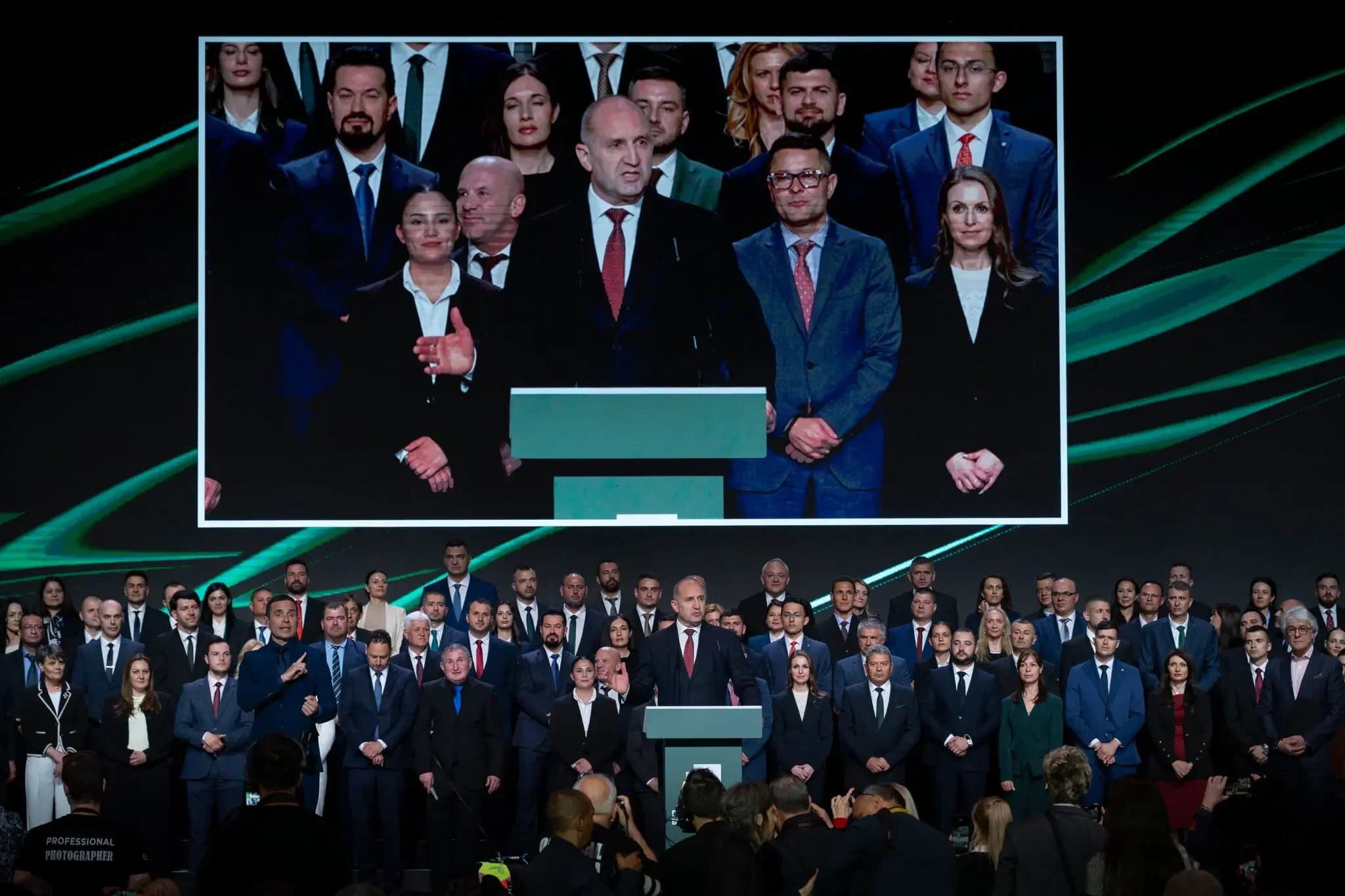
Bulgaria heads to the polls on Sunday, more than four months after mass protests forced the resignation of its government, in what is widely described as the country’s eighth parliamentary election in five years, a stark reflection of ongoing political instability. The crisis escalated after the Zhelyazkov government collapsed on 11 December 2025, following weeks of nationwide protests over corruption allegations, economic pressure, and public frustration with repeated leadership failures. The resignation triggered yet another transition in a political system that has struggled to produce stab
Bulgaria heads to the polls on Sunday, more than four months after mass protests forced the resignation of its government, in what is widely described as the country’s eighth parliamentary election in five years, a stark reflection of ongoing political instability.
The crisis escalated after the Zhelyazkov government collapsed on 11 December 2025, following weeks of nationwide protests over corruption allegations, economic pressure, and public frustration with repeated leadership failures. The resignation triggered yet another transition in a political system that has struggled to produce stable governing coalitions since 2021.
To manage the interim period, President Iliana Iotova appointed a caretaker administration in February 2026, led by Prime Minister Andrey Gyurov, tasked with stabilizing institutions and steering the country toward fresh elections.
Despite these efforts, voter fatigue is widespread, with many Bulgarians expressing frustration over a cycle of repeated elections and limited progress on long-promised reforms, particularly around corruption and governance.
The campaign has been dominated by sharp divisions over Bulgaria’s political direction. A major force is the bloc linked to former president Rumen Radev, whose anti-corruption platform has gained momentum in opinion polls. Radev has also taken a more confrontational stance on foreign policy, denouncing a recent ten-year defense agreement between Bulgaria and Ukraine.
At a final campaign rally, he further escalated tensions by displaying images of his past meetings with Russian President Vladimir Putin, an intervention that underscored his call for a recalibration of Bulgaria’s international alignment.
Analysts say the fragmented political landscape makes another hung parliament highly likely, setting the stage for prolonged coalition negotiations once results are announced.
Since 2021, Bulgaria has struggled to maintain durable governments, with snap elections becoming a recurring feature of its political cycle. Whether this vote breaks that pattern or reinforces it, will define the country’s immediate political future.



Comments
No comments yet. Be the first to share a thought.