
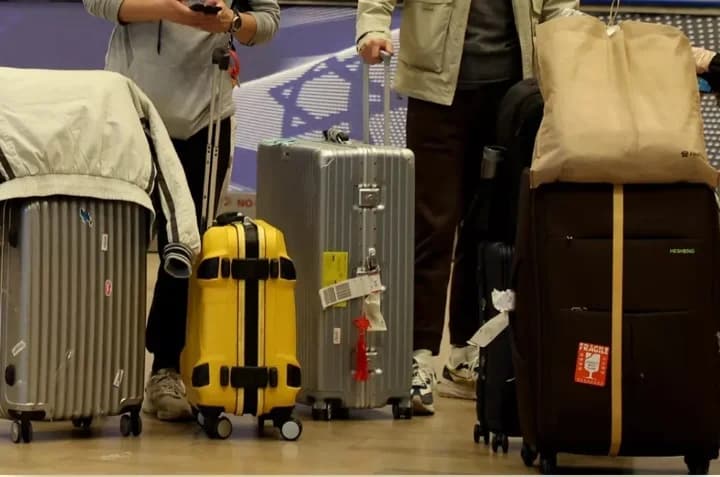
Israel may ask thousands of Ukrainians living in the country to return home next month, as authorities have become slower in renewing the documents that allow them to stay. About 25,000 Ukrainians who fled the war in 2022 are affected. Their temporary residence permits must be renewed every year, and the documents currently held by many of them will expire at the end of December 2025. Israel has long been hesitant to accept large numbers of Ukrainian migrants, especially those who do not qualify under the Law of Return. The law allows Jewish people, as well as their children, grandchildren,
Israel may ask thousands of Ukrainians living in the country to return home next month, as authorities have become slower in renewing the documents that allow them to stay. About 25,000 Ukrainians who fled the war in 2022 are affected. Their temporary residence permits must be renewed every year, and the documents currently held by many of them will expire at the end of December 2025. Israel has long been hesitant to accept large numbers of Ukrainian migrants, especially those who do not qualify under the Law of Return. The law allows Jewish people, as well as their children, grandchildren, and spouses, to immigrate to Israel with relative ease. Those who are not Jewish are generally not covered and receive only short-term permits with strict conditions. The Law of Return, established in 1950 after World War II, was designed to provide a safe homeland for Jews worldwide. For many non-Jewish Ukrainians, life in Israel is challenging. Entering the country is difficult, long-term residency is unavailable, and access to social assistance is limited. With no Interior Minister currently in office, the decision on how to handle the expiring permits rests with Prime Minister Benjamin Netanyahu, who has not yet issued a ruling. The Immigration Authority says it is reviewing the situation and will announce a decision soon. Support for Ukrainian refugees is also weakening across the European Union. Several countries have reduced assistance due to economic pressures. Germany and Poland, which host large Ukrainian populations, have recently cut benefits as their funding declines.



Comments
No comments yet. Be the first to share a thought.