
The Australian government’s ambitious push to host the landmark COP31 climate summit in Adelaide next year has encountered a significant roadblock, as protracted diplomatic negotiations at the UN climate headquarters in Bonn, Germany, ended without resolution. According to The Guardian, the central issue remains unresolved: whether Australia, in partnership with Pacific Island nations, or Turkey will host the pivotal 2026 UN climate conference. Both nations remain the only contenders, but the UN’s consensus-based decision-making process means no decision can be made while Turkey, under Presid
The Australian government’s ambitious push to host the landmark COP31 climate summit in Adelaide next year has encountered a significant roadblock, as protracted diplomatic negotiations at the UN climate headquarters in Bonn, Germany, ended without resolution. According to The Guardian, the central issue remains unresolved: whether Australia, in partnership with Pacific Island nations, or Turkey will host the pivotal 2026 UN climate conference. Both nations remain the only contenders, but the UN’s consensus-based decision-making process means no decision can be made while Turkey, under President Recep Tayyip Erdoğan, refuses to withdraw its bid. At a final plenary session on Friday morning (Australian time), several European nations including Germany, France, Norway, and Switzerland voiced frustration over the deadlock while reaffirming their support for Australia’s bid. Earlier in the conference, the United Kingdom, Iceland, and New Zealand had also expressed support. Despite Turkey’s lack of backing among the 29-member “Western Europe and Others” group that will determine the host nation, its continued candidacy prevents a consensus outcome.
What’s the Significance of COP31 to Australia?
If successful, COP31 would be the largest international summit ever hosted in Australia. Climate Change Minister Chris Bowen has said it would bring tens of thousands of delegates from nearly 200 nations to Adelaide for two weeks in November 2026, turning global attention toward Australia. Bowen envisions the summit as an “implementation COP”, focused on translating national pledges for 2035 into concrete and urgent climate action. In parallel, the event would feature a major trade expo for green technologies, while activists are expected to use the occasion to pressure fossil fuel-producing nations, including Australia, to accelerate emissions reductions.
Is Turkey Bowing out?
There had been an expectation that Turkey would eventually bow out of the process; a view held even before COP29 in Baku, Azerbaijan, last year. However, Turkey has instead renewed its campaign, lobbying delegates in Bonn with a presentation promoting the southern resort city of Antalya as a host. Its arguments centre on its geographic centrality and its distinction from Australia as a non-major exporter of coal and gas. Turkey’s position has been further weakened in recent months, particularly following the arrest of Erdoğan’s main political rival in March, which sparked widespread domestic protests and clashes with police. Its record on climate policy also remains a point of concern. Turkey is believed to be open to withdrawing if certain conditions are met. One of its demands is to be reclassified and removed from the “Annex I” list of developed countries under the UN Framework Convention on Climate Change, a group historically expected to lead climate action. However, there is little support among member states for this reclassification. A deadline had been set at COP29 for the host decision to be finalised by the mid-year Bonn session. That has now passed without resolution. The matter must now be settled by COP30 in Belém, Brazil, this November, as the selected host country is required to take over the COP presidency; a role that entails year-round global leadership on climate policy.
Diplomatic Pressure over Albanese
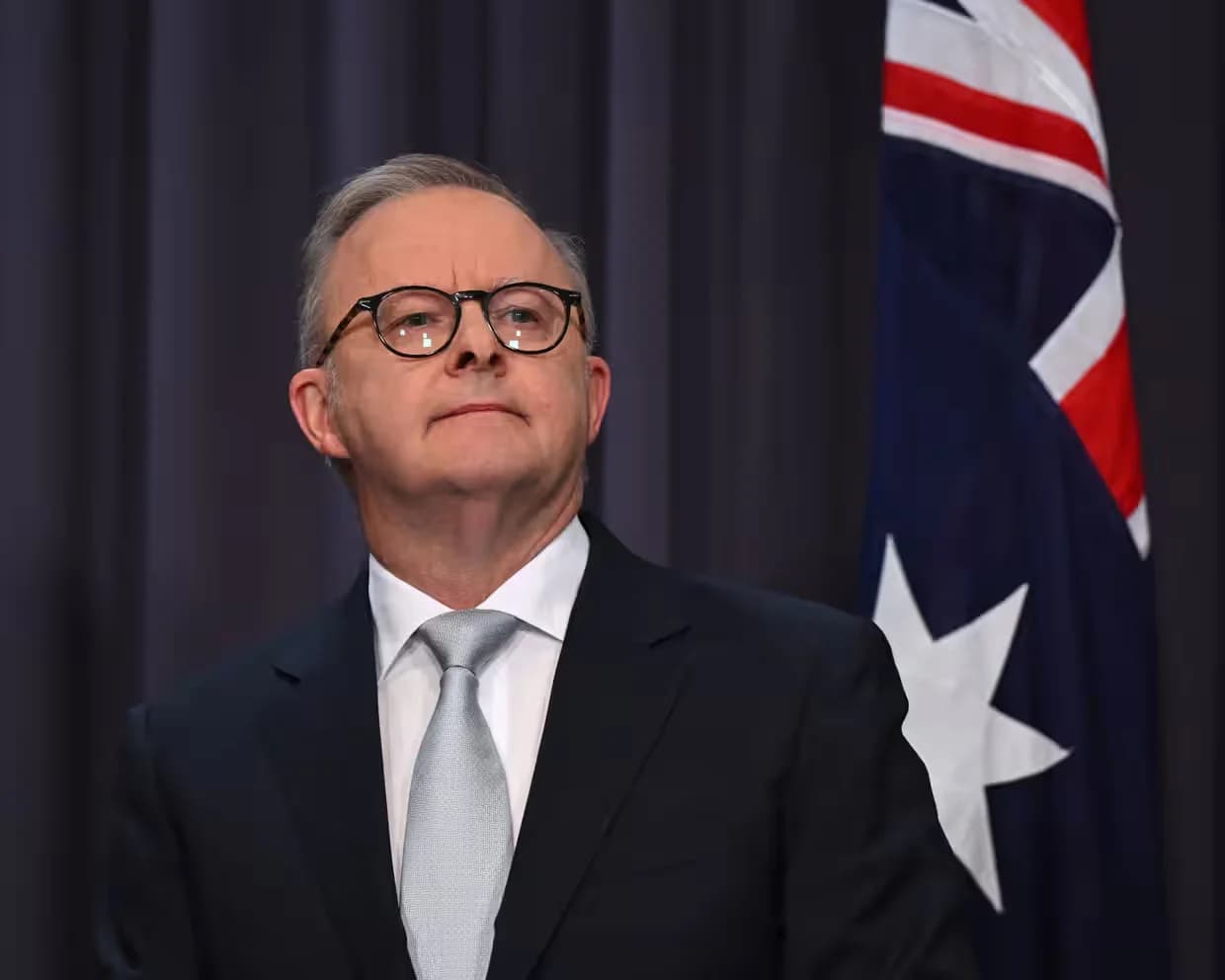
Back home, pressure is mounting on the Albanese government to intensify its efforts. John Grimes, CEO of the Smart Energy Council, has urged Prime Minister Anthony Albanese to personally lead a full-scale diplomatic campaign. “It is time for the government to flick the switch if we are to get this done,” Grimes said. “This cannot wait for a decision at COP30. The diplomacy is too intricate, the timeline too tight. It requires a whole-of-government effort — and a legacy-defining commitment by the prime minister, especially for our Pacific neighbours.” Despite relatively little political debate on the topic, Labor has been pursuing the goal of hosting a “Pacific COP” since late 2021, prior to its election victory in 2022. However, the bid has drawn accusations of greenwashing from critics who argue that Australia’s continued support for fossil fuel projects, such as the extension of Woodside Energy’s North West Shelf gas plant to 2070, undercuts its climate leadership credentials.
Do Pacific and Industry Support Australia?
Still, the bid has garnered significant backing from Pacific leaders, the clean energy sector, and climate advocacy groups. Among its vocal supporters is Palau President Surangel Whipps Jr, who told
The Guardian
that a successful Australian bid would signal commitment to regional solidarity and climate responsibility. “It would show that Australia is investing in its Pacific brothers and sisters and ensuring that we have a healthy planet,” Whipps said. South Australian Premier Peter Malinauskas has also become a key advocate, commissioning an economic analysis estimating that COP31 could attract 30,000 attendees and deliver $500 million in economic benefits. Speaking at an energy conference in Melbourne last week, Bowen reinforced the bid’s importance, describing it as central to attracting global investment, accelerating Australia’s renewable energy transition, and elevating Pacific issues on the world stage. “We are actively campaigning for this conference,” Bowen said. “We are working hard with international partners and with Turkey to resolve the bid.” On the latest evidence from Bonn, however, Australia’s campaign may now require a significant escalation if it hopes to secure the summit before world leaders gather again in September at the UN General Assembly in New York.



Comments
No comments yet. Be the first to share a thought.