
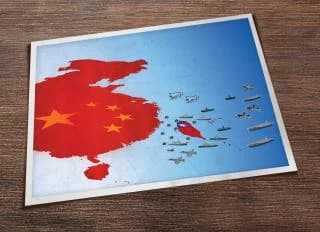
The Asia–Pacific region is grappling with a wave of significant developments this week, ranging from rising security tensions and diplomatic maneuvering to slowing economic forecasts and volatile markets. Philippines and Australia Deepen Defence Ties In a move underscoring growing concerns over China’s maritime assertiveness, the Philippines and Australia are preparing to seal a new defence pact. The agreement is expected to expand joint military exercises, enhance intelligence sharing, and support infrastructure at Philippine bases. Officials say the pact reflects a broader strategy to stre
The Asia–Pacific region is grappling with a wave of significant developments this week, ranging from rising security tensions and diplomatic maneuvering to slowing economic forecasts and volatile markets. Philippines and Australia Deepen Defence Ties In a move underscoring growing concerns over China’s maritime assertiveness, the Philippines and Australia are preparing to seal a new defence pact. The agreement is expected to expand joint military exercises, enhance intelligence sharing, and support infrastructure at Philippine bases. Officials say the pact reflects a broader strategy to strengthen regional security as tensions rise around contested waters in the South China Sea. Beijing Tightens Pressure on Pacific Nations Meanwhile, China has issued stern warnings to Pacific Island nations over their recognition of Taiwan. In a statement circulated by its embassy in Tonga, Beijing demanded that regional governments roll back what it called “erroneous” support for Taiwan’s participation in regional forums. The move comes amid renewed debate after the Solomon Islands controversially excluded both China and Taiwan from the Pacific Islands Forum dialogue, prompting diplomatic friction across the region. ADB Cuts Growth Outlook The Asian Development Bank (ADB) has downgraded its economic growth forecast for developing Asia and the Pacific, citing the impact of U.S. tariffs, global trade tensions, supply chain disruptions, and instability in China’s property sector. Growth in the region is now expected to slow to 4.7% in 2025 and 4.6% in 2026, with Southeast Asia projected to bear the brunt of the slowdown. Markets React to U.S.–China Truce Despite these headwinds, Asian financial markets received a boost following an extension of the U.S.–China tariff truce. Japan’s Nikkei surged to record highs, while Chinese and Hong Kong indices posted steady gains. Regional optimism has been further supported by expectations of U.S. interest rate cuts, with investors taking cautious confidence in easing global risks. Oil prices slipped slightly while gold saw a modest rebound.


Comments
No comments yet. Be the first to share a thought.