
Australia is bracing for a wet start to winter as a massive 5000-kilometer rain cloud band continues to make its way across the continent. The Bureau of Meteorology (BoM) has forecasted that this extensive cloud band will bring significant rainfall to much of the country over the coming days, with 90 percent of Australia expected to experience rain by Sunday. This weather system, spanning an impressive 5000 kilometers, is notable not only for its size but also for its potential impact. The rain cloud band, originating from the Indian Ocean, has been steadily moving eastward, bringing with it s
Australia is bracing for a wet start to winter as a massive 5000-kilometer rain cloud band continues to make its way across the continent.
The Bureau of Meteorology (BoM) has forecasted that this extensive cloud band will bring significant rainfall to much of the country over the coming days, with 90 percent of Australia expected to experience rain by Sunday.
This weather system, spanning an impressive 5000 kilometers, is notable not only for its size but also for its potential impact. The rain cloud band, originating from the Indian Ocean, has been steadily moving eastward, bringing with it substantial moisture and widespread showers. As it advances, it is set to affect a vast portion of the country, from the arid interiors to the densely populated coastal regions.
The Bureau of Meteorology has provided a detailed forecast, highlighting the regions most likely to be affected by the heavy rains. According to the BoM, the cloud band will continue its eastward journey, intensifying as it moves. By the end of the week, nearly the entire country will have received rainfall, marking a significant shift from the typically dry conditions experienced in many areas.
Meteorologists have emphasized the importance of this rain event, especially for regions that have been grappling with prolonged dry spells. The rain is expected to bring much-needed relief to farmers and communities dealing with drought conditions. However, the heavy and sustained rainfall also raises concerns about potential flooding, particularly in areas with already saturated soils.
The eastern states, including New South Wales, Victoria, and Queensland, are anticipated to receive the most substantial rainfall. These areas are advised to prepare for possible disruptions due to heavy rains and potential flooding. The BoM has issued warnings and is urging residents to stay informed about local weather updates and advisories.
In contrast, the typically dry central and western regions of Australia will also benefit from this widespread rain event. These areas, which often face water scarcity, will see a significant boost to water reserves and agricultural productivity. For many communities, this rain brings a welcome respite and an opportunity to replenish vital water sources.
The extensive rainfall is expected to have several positive environmental impacts. Enhanced soil moisture levels will support plant growth and contribute to healthier ecosystems. In agricultural regions, the rains will aid in crop growth and pasture regeneration, offering a boost to the farming sector. Livestock producers, in particular, will benefit from improved grazing conditions.
As the rain cloud band progresses, safety remains a priority. Authorities are advising caution, especially in flood-prone areas. Communities are encouraged to take preventive measures, such as clearing drains and securing outdoor items, to mitigate potential damage.
The Bureau of Meteorology continues to monitor the situation closely and provide regular updates. Residents are urged to stay informed through reliable sources and heed any safety warnings or advisories issued by local authorities.
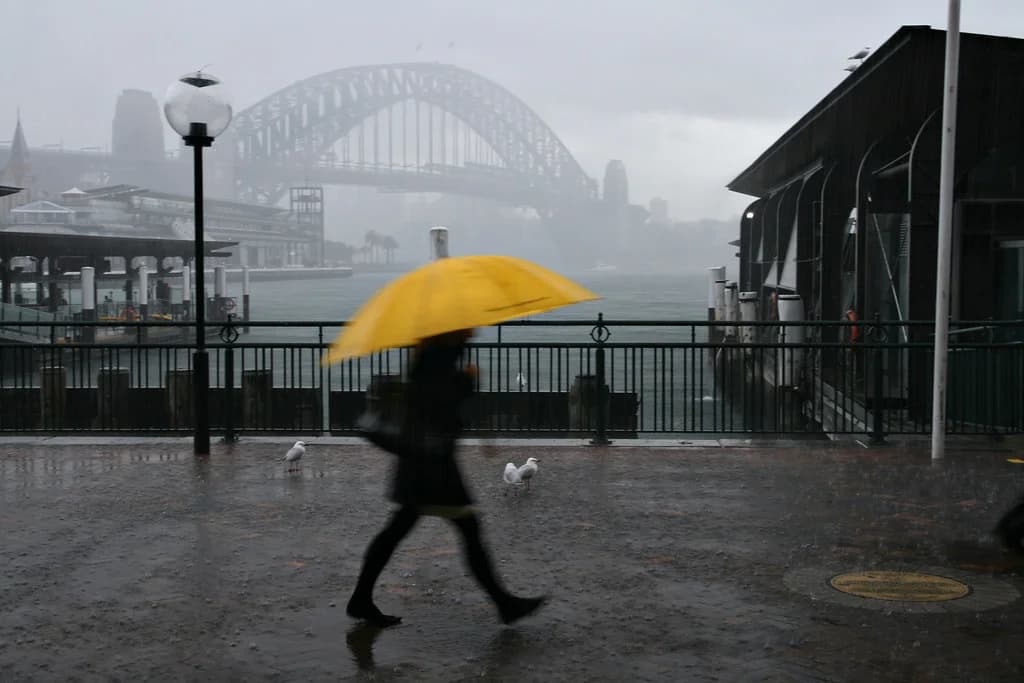
Aussies can expect a wet start to winter, as a 5000km rain cloud band continues to move across the country ( photo by internet).



Comments
No comments yet. Be the first to share a thought.