
Brussels negotiations revive hopes of agreement after years of disputes over beef access, luxury car taxes, and protected food names. Australia and the European Union are on the verge of finalising a long-awaited free trade agreement, with both sides reporting major progress in resolving disputes that have stalled negotiations for years. The central figure holding the open agreement document is Sabine Weyand, Director-General for Trade at the European Commission. She's been the EU's top official leading the technical negotiations with Australia for years. Talks held in Brussels this week
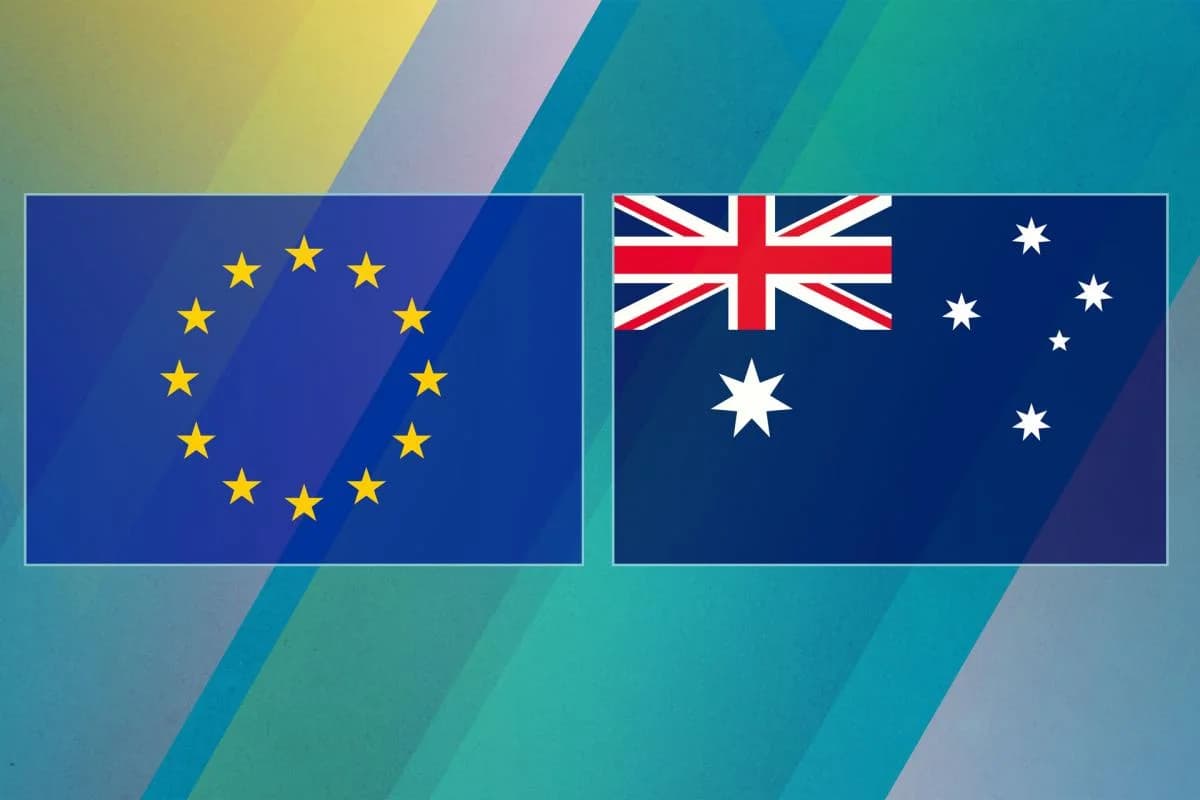
Brussels negotiations revive hopes of agreement after years of disputes over beef access, luxury car taxes, and protected food names. Australia and the European Union are on the verge of finalising a long-awaited free trade agreement, with both sides reporting major progress in resolving disputes that have stalled negotiations for years.
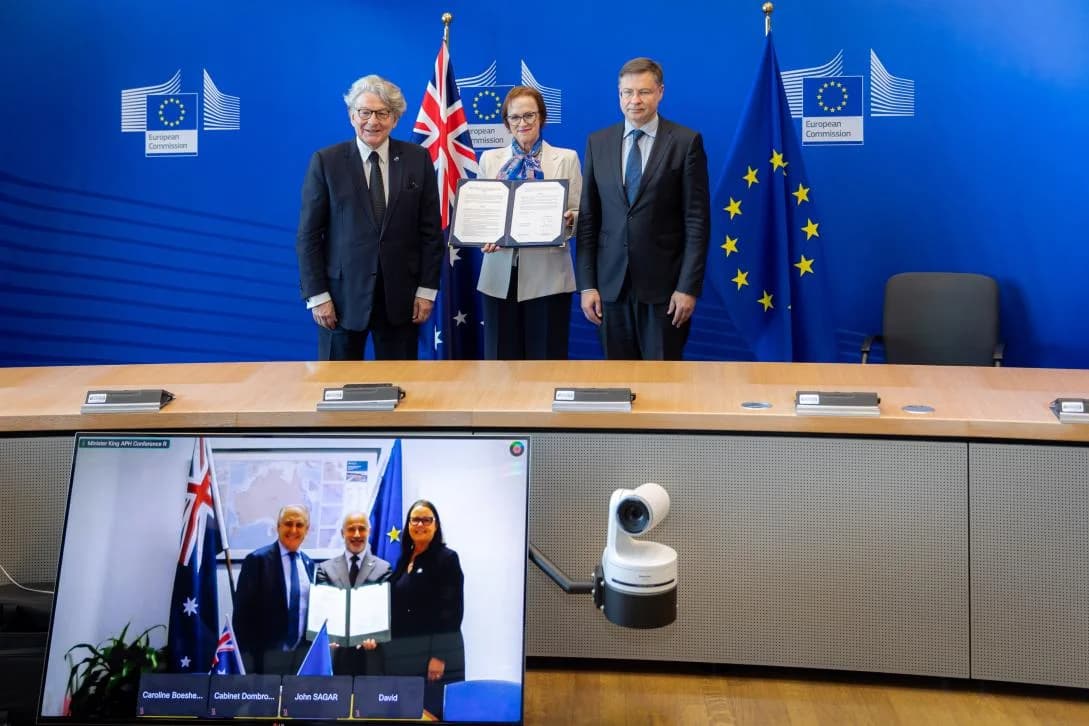
The central figure holding the open agreement document is Sabine Weyand, Director-General for Trade at the European Commission. She's been the EU's top official leading the technical negotiations with Australia for years.
Talks held in Brussels this week brought together Australia’s Trade Minister Don Farrell and senior European officials, who issued a joint statement signalling that negotiators had “converged” on key differences, raising expectations that a deal could be signed as soon as this month. If completed, the agreement would reshape trade relations between Canberra and the 27-member bloc, giving Australian exporters greater access to one of the world’s largest consumer markets of more than 450 million people.
Momentum Returns After 2023 Breakdown
The negotiations, which have stretched over several years, were last seriously disrupted in 2023 when talks collapsed over unresolved disagreements. However, both Canberra and Brussels have expressed growing optimism in recent days that an agreement is now within reach, following what officials described as two days of “hastily scheduled” but productive meetings. Farrell met with the EU’s trade and economic security commissioner Maroš Šefčovič and agriculture commissioner Christophe Hansen, with all parties agreeing that progress had been made in narrowing the remaining gaps.
Agriculture Still at the Centre of the Deal
Despite renewed momentum, agriculture remains the most politically sensitive obstacle. Australian officials have insisted the country will not sign an agreement unless it delivers improved access for farmers into the European agricultural market, particularly for exports such as beef and lamb.
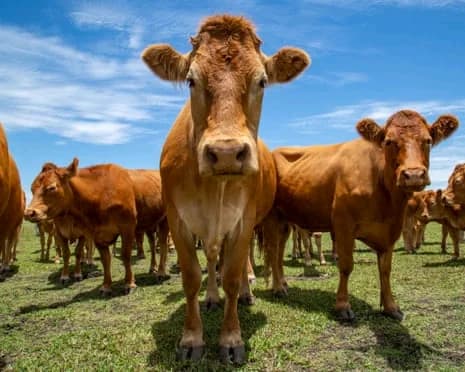
beef and lamb. Still playing a very big role in this agreement as Australia want to get access to Eu market
“Australia will not sign a deal that does not deliver improved access to the EU’s agricultural market,” Farrell said. European farmers, however, have voiced concern that greater imports of Australian meat could disrupt domestic markets, making beef and lamb one of the last major hurdles to agreement.
The Fight Over Parmesan, Feta and Prosecco
One of the most symbolic and contentious disputes has involved the use of product names such as parmesan, feta, and prosecco by Australian producers. The EU argues these labels are “geographic indicators,” legally reserved for specific European regions, and should not be used on products made elsewhere. Australian producers, by contrast, have long used the names commercially and warn that restrictions could force costly rebranding and affect exports. Farrell has previously suggested a compromise could be possible, but the issue continues to highlight the cultural and economic sensitivities embedded in modern trade deals.
Luxury Car Tax a Flashpoint for European Manufacturers
Another sticking point has been Australia’s luxury car tax, which impacts European automotive brands including BMW and Mercedes-Benz. The EU views the tax as an unfair barrier to trade, while Australia has defended it as part of domestic economic policy. The disagreement underscores how free trade negotiations often extend beyond tariffs into national regulations and internal market structures.
Trade Deal Linked to Broader Strategic Partnership
Beyond commerce, the negotiations are unfolding amid growing geopolitical uncertainty, with Australia and the EU also planning a new defence and security partnership. The partnership is expected to include cooperation in areas such as: •Defence industry development •Cybersecurity •Counter-terrorism coordination European Commission President Ursula von der Leyen is expected to visit Australia later this year, with EU sources suggesting the trade agreement could become the centrepiece of her trip.
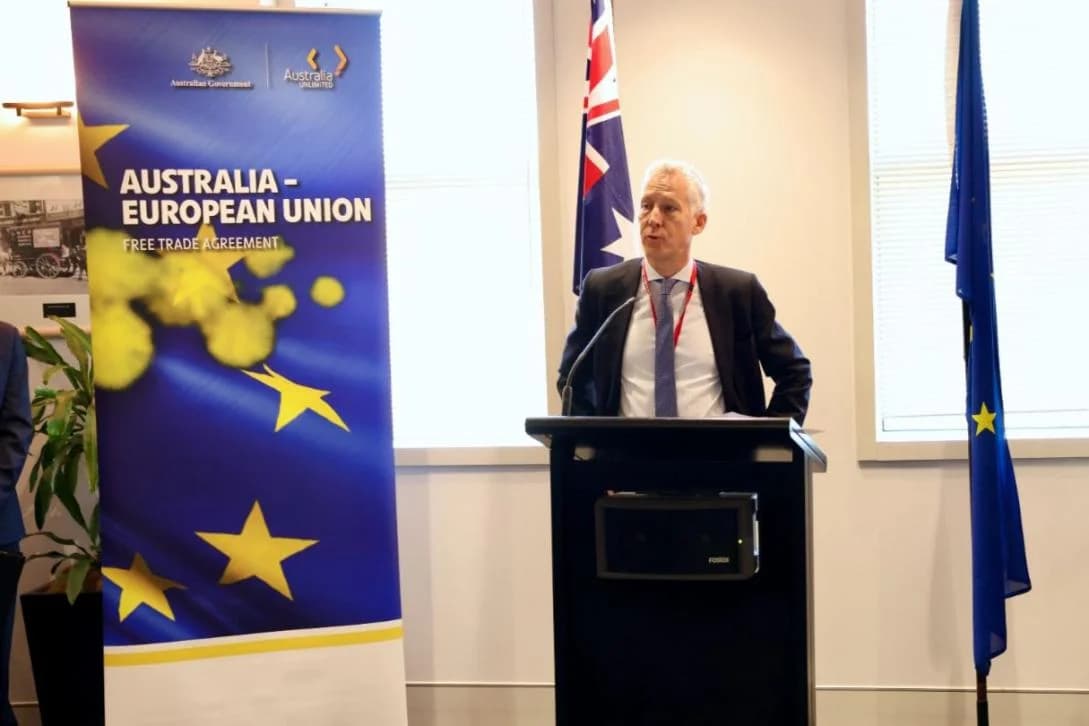
Australian Trade Minister Senator Don Farrell.
Prime Minister Anthony Albanese and von der Leyen have met regularly in recent years, with European officials identifying stronger trade ties as a priority for 2026.
A Major Economic Relationship
Australia’s total two-way trade with the EU reached nearly $110 billion in 2024–25, making the bloc one of Australia’s largest trading partners. Supporters argue that a final agreement could unlock further opportunities for exporters, investors, and service industries, while strengthening economic cooperation between Europe and the Indo-Pacific.
Final Steps Still Ahead
Participants in the Brussels talks have agreed to report back to their leaders before determining the next steps. While officials remain optimistic, the deal’s completion will depend on whether the remaining disputes particularly around agriculture and protected product names can be resolved without triggering political backlash on either side. For now, Australia and the EU appear closer than ever to sealing an agreement once considered elusive, with the coming weeks likely to determine whether years of negotiations finally deliver a breakthrough.



Comments
No comments yet. Be the first to share a thought.