
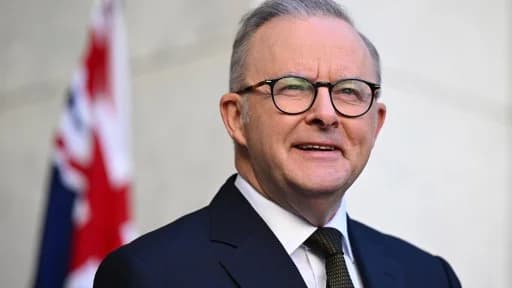
The longstanding diplomatic and economic relationship between Australia and the United States is facing increasing tension after US President Joe Biden's decision to impose sweeping tariffs on foreign steel and aluminium imports. The move, which was implemented "without exemptions or exceptions," has left Canberra concerned, especially after prior assurances that Australia would be considered for an exemption. Prime Minister Anthony Albanese had previously engaged in talks with President Biden, during which the US leader indicated that an exemption for Australia was "under consideration." How
The longstanding diplomatic and economic relationship between Australia and the United States is facing increasing tension after US President Joe Biden's decision to impose sweeping tariffs on foreign steel and aluminium imports. The move, which was implemented "without exemptions or exceptions," has left Canberra concerned, especially after prior assurances that Australia would be considered for an exemption. Prime Minister Anthony Albanese had previously engaged in talks with President Biden, during which the US leader indicated that an exemption for Australia was "under consideration." However, the unexpected imposition of these tariffs, with no exclusions, has raised doubts about the reliability of Washington’s commitments and sparked concerns regarding the stability of the Australia-US alliance. The impact of these tariffs on Australia's economy could be substantial. As a key supplier of steel and aluminium to the US, the imposition of tariffs threatens to disrupt established trade flows. Australian producers, traditionally known for their stable supply to the US market, may now face increased costs, reduced competitiveness, and potential job losses within the sector. This development could send shockwaves through Australia's metals industry, which has long been a reliable contributor to the economy. In addition to the economic challenges, the move has broader diplomatic implications. The Australia-US alliance, which has been foundational to stability in the Indo-Pacific region, is now under scrutiny. Despite Australia's consistent support for Washington’s geopolitical initiatives, Biden’s tariff policy raises concerns that Australia’s economic interests are being sidelined, possibly diminishing the sense of mutual trust between the two nations. According to The Guardian, this unexpected decision could erode the spirit of cooperation that has defined the bilateral relationship for decades. The Albanese government is now tasked with managing this policy shift while attempting to preserve strong diplomatic ties with the United States. In response to this situation, discussions with US officials will be paramount to understanding the rationale behind the decision and exploring possible avenues for securing an exemption. Australian Foreign Minister Penny Wong and Trade Minister Don Farrell are expected to push for high-level negotiations, underlining the importance of economic collaboration between the two allies. The Biden administration, which has consistently prioritized partnerships with allies, faces a significant challenge. The imposition of tariffs without prior consultation could strain relations with Canberra, especially at a time when regional security concerns in the Indo-Pacific region demand stronger collaboration and unity. This move may risk undermining the trust and reliability that has been central to US alliances worldwide. As Australia contemplates its next steps, industry leaders and policymakers are closely monitoring developments in Washington. The outcome of diplomatic engagement between Canberra and Washington will be critical in determining whether Australia can secure the exemptions it was initially promised, or whether its industries will be forced to contend with a more protectionist US trade policy moving forward. This episode highlights the delicate balance required to maintain strong trade relationships even among close allies. While Australia remains steadfast in its strategic partnership with the United States, this tariff decision serves as a reminder that, at times, economic considerations can outweigh diplomatic goodwill. The coming weeks will be pivotal in shaping the future of Australia’s steel and aluminium exports to the US, and in defining the trajectory of the Australia-US alliance in the context of global trade.



Comments
No comments yet. Be the first to share a thought.