
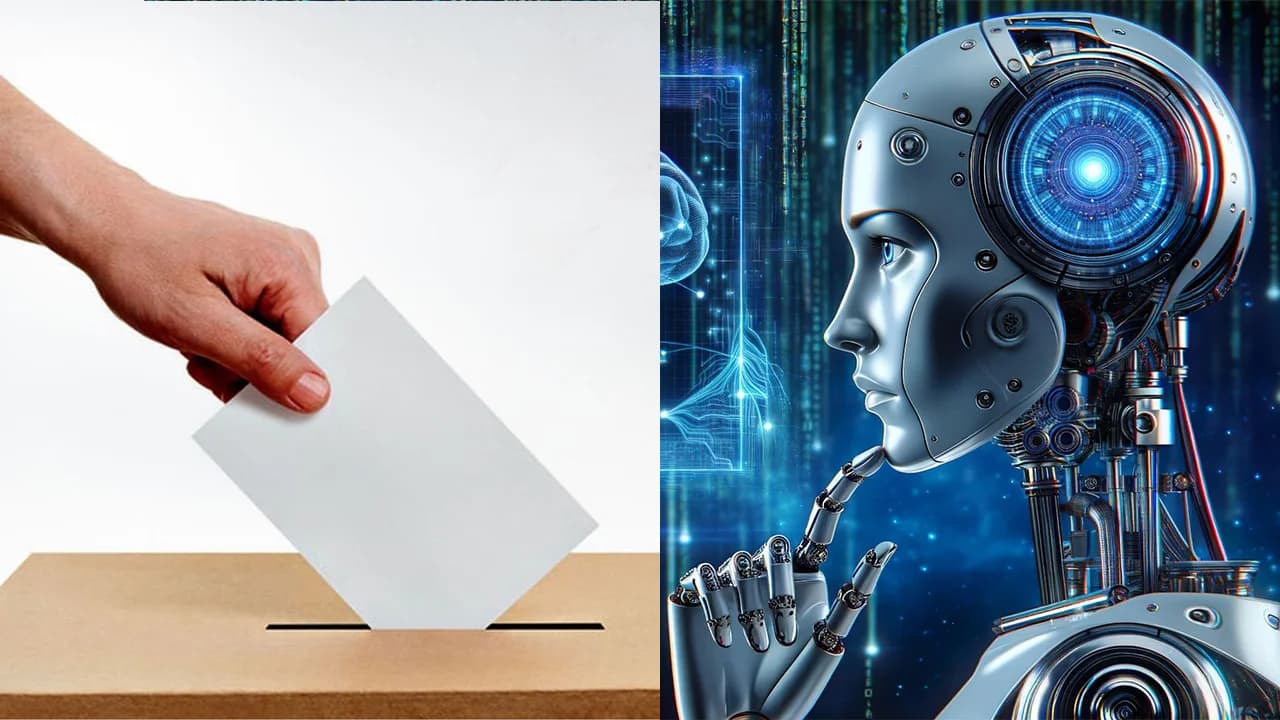
As Australia gears up for the upcoming federal election, a growing number of voters are seeking guidance from artificial intelligence tools, such as ChatGPT, to help decide which candidate to support. While some voters argue the technology provides accessible and helpful information, senior political figures and ethics experts are sounding the alarm, warning that relying solely on AI could pose serious risks to the democratic process. With just a few details like age, job title, and electorate, AI platforms can quickly generate a list of candidates, sometimes even suggesting a single name it
As Australia gears up for the upcoming federal election, a growing number of voters are seeking guidance from artificial intelligence tools, such as ChatGPT, to help decide which candidate to support. While some voters argue the technology provides accessible and helpful information, senior political figures and ethics experts are sounding the alarm, warning that relying solely on AI could pose serious risks to the democratic process. With just a few details like age, job title, and electorate, AI platforms can quickly generate a list of candidates, sometimes even suggesting a single name it deems most suitable. For many voters unfamiliar with local politics, this convenience is tempting. However, experts argue that outsourcing such a vital civic duty to an AI system may erode the integrity of informed decision-making. Professor Mayowa Babalola, a business ethics expert at the University of Western Australia, voiced strong concerns about voters depending on artificial intelligence for such an important responsibility. “If your decision is solely based on your interaction with AI, then you're doing something that's not right,” he told 9News. Babalola emphasized the need for personal reflection and research when choosing who to vote for, warning that tools like ChatGPT, while impressive, lack the nuance to fully grasp human values and societal complexities. Several voters interviewed by 9News echoed this sentiment. One woman advised, “Don’t go to ChatGPT to work out what your values are,” while another added, “You should know who you want to vote for.” The responses highlight a growing tension between embracing new technology and maintaining the authenticity of civic engagement. Former deputy prime minister Kim Beazley was equally critical of the trend, describing it as “undesirable.” He warned against inserting technology between thought and action at the ballot box. “I think people should keep a close connection between brain and hand when voting, without other things coming in between both,” Beazley said. Western Australia’s Police Minister Paul Papalia also urged voters to take personal responsibility for their political choices. “There’s a little bit of responsibility on your behalf – you should educate yourself about who’s running in your seat and what they stand for, and then make a decision yourself,” he said. While AI may be a useful starting point for research, experts agree it should never be a substitute for critical thinking and independent judgment. As Professor Babalola put it, “If you don’t double check, how would you even know [it’s right]? It’s not ethical.” The warning comes amid a broader global conversation about the role of artificial intelligence in political processes. With AI tools growing more sophisticated by the day, concerns over misinformation, algorithmic bias, and manipulation are rising. Political leaders and academics alike are calling for caution and urging the public to rely on trustworthy, human-sourced information when making decisions that shape the future of the nation.



Comments
No comments yet. Be the first to share a thought.