
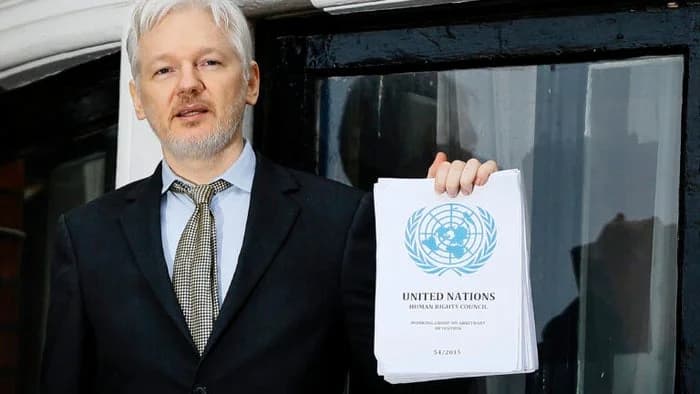
The Australian Government has consistently maintained that the case of Julian Assange, the founder of WikiLeaks, has dragged on for far too long. As the Prime Minister and other officials have repeatedly emphasized, there is little to be gained by his continued incarceration. The Australian Government is advocating for Assange to be brought back home, marking a significant stance in international diplomacy and human rights advocacy. Background of the Assange Case Julian Assange, an Australian citizen, came into the global spotlight when WikiLeaks published classified documents and informatio
The Australian Government has consistently maintained that the case of Julian Assange, the founder of WikiLeaks, has dragged on for far too long. As the Prime Minister and other officials have repeatedly emphasized, there is little to be gained by his continued incarceration. The Australian Government is advocating for Assange to be brought back home, marking a significant stance in international diplomacy and human rights advocacy. Background of the Assange Case Julian Assange, an Australian citizen, came into the global spotlight when WikiLeaks published classified documents and information provided by whistleblowers, unveiling various government secrets and controversial activities. His actions have been both lauded for promoting transparency and criticized for allegedly endangering lives and national security. Assange has faced legal challenges and controversies since the release of these documents. He sought asylum in the Ecuadorian Embassy in London in 2012 to avoid extradition to Sweden over sexual assault allegations, which he denies. In 2019, he was arrested by British authorities after being expelled from the embassy and has since been held in Belmarsh Prison, London, while fighting extradition to the United States on charges related to the publication of classified documents. The Australian Government's Position The Australian Government has consistently argued that Assange's prolonged legal battle and incarceration are unjust. Prime Minister Anthony Albanese has been vocal about his view that Assange’s detention has lasted too long and serves no purpose. This sentiment reflects a growing impatience with the international legal processes that have ensnared Assange for over a decade. "We want him brought home to Australia," Prime Minister Albanese has declared, echoing a widespread sentiment among many Australians and human rights advocates globally. This call for Assange’s return is rooted in concerns over his mental and physical health, exacerbated by years of confinement and the ongoing legal battles. Human Rights and Legal Concerns The extended incarceration of Assange raises significant human rights issues. Prolonged solitary confinement, restricted access to medical care, and the mental strain of prolonged legal uncertainty are among the key concerns cited by his supporters. International human rights organizations, including Amnesty International, have called for Assange’s release, citing the inhumane conditions of his detention and the potential political motivations behind his prosecution. Moreover, the legal implications of Assange’s case extend beyond his individual circumstances. The potential extradition to the United States and the charges he faces there have sparked a broader debate about press freedom and the rights of journalists and publishers to disseminate information in the public interest without fear of retribution. Diplomatic Efforts and International Reactions The Australian Government’s plea for Assange’s return involves delicate diplomatic negotiations, particularly with the United States and the United Kingdom. While maintaining a strong alliance with these nations, Australia is navigating a complex landscape of legal and political considerations to advocate for one of its citizens. International reactions to Assange’s plight vary. Some countries and leaders have expressed support for his release, while others remain focused on the legal proceedings and the allegations against him. The outcome of these diplomatic efforts remains uncertain, but Australia’s stance is clear and resolute.



Comments
No comments yet. Be the first to share a thought.