
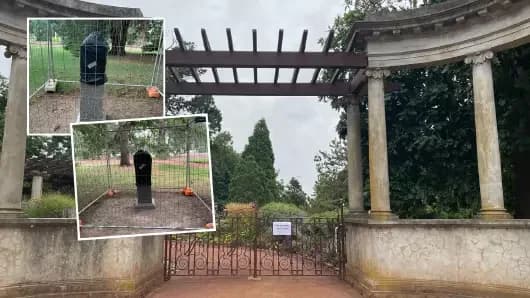
The recent vandalism at Ballarat Botanical Gardens, where two statues were decapitated and nearly two dozen others defaced, has sparked significant concern within the local community. Occurring between 2am and 5am on Wendouree Parade, this act of destruction raises important questions about the security of public spaces and the preservation of shared heritage. Statues and monuments in public areas hold cultural, historical, and emotional value, representing the collective identity of both residents and visitors. The emotional impact of the vandalism is profound, with many feeling violated by
The recent vandalism at Ballarat Botanical Gardens, where two statues were decapitated and nearly two dozen others defaced, has sparked significant concern within the local community. Occurring between 2am and 5am on Wendouree Parade, this act of destruction raises important questions about the security of public spaces and the preservation of shared heritage. Statues and monuments in public areas hold cultural, historical, and emotional value, representing the collective identity of both residents and visitors. The emotional impact of the vandalism is profound, with many feeling violated by the defacement of cherished landmarks. Beyond the personal loss, there are financial repercussions, as funds that could be used for other community projects may now be diverted towards restoration and enhanced security measures. This highlights the broader implications of such acts on a community’s resources and the maintenance of its public assets. Experts suggest that motivations for vandalism may be driven by social discontent, a desire for attention, or protest against historical symbols. Understanding these underlying reasons is critical in addressing the root causes of such actions and developing strategies to prevent similar incidents. Community dialogue and education can play an essential role in this process, promoting understanding of the significance of public art and heritage. In response to the incident, authorities are exploring measures to improve security in public spaces, including installing more surveillance cameras and increasing patrols. Additionally, fostering community ownership and engagement with these spaces can encourage residents to take responsibility for their protection. By coming together and reflecting on the value of shared history, the community has an opportunity to strengthen its commitment to preserving public heritage for future generations.



Comments
No comments yet. Be the first to share a thought.