
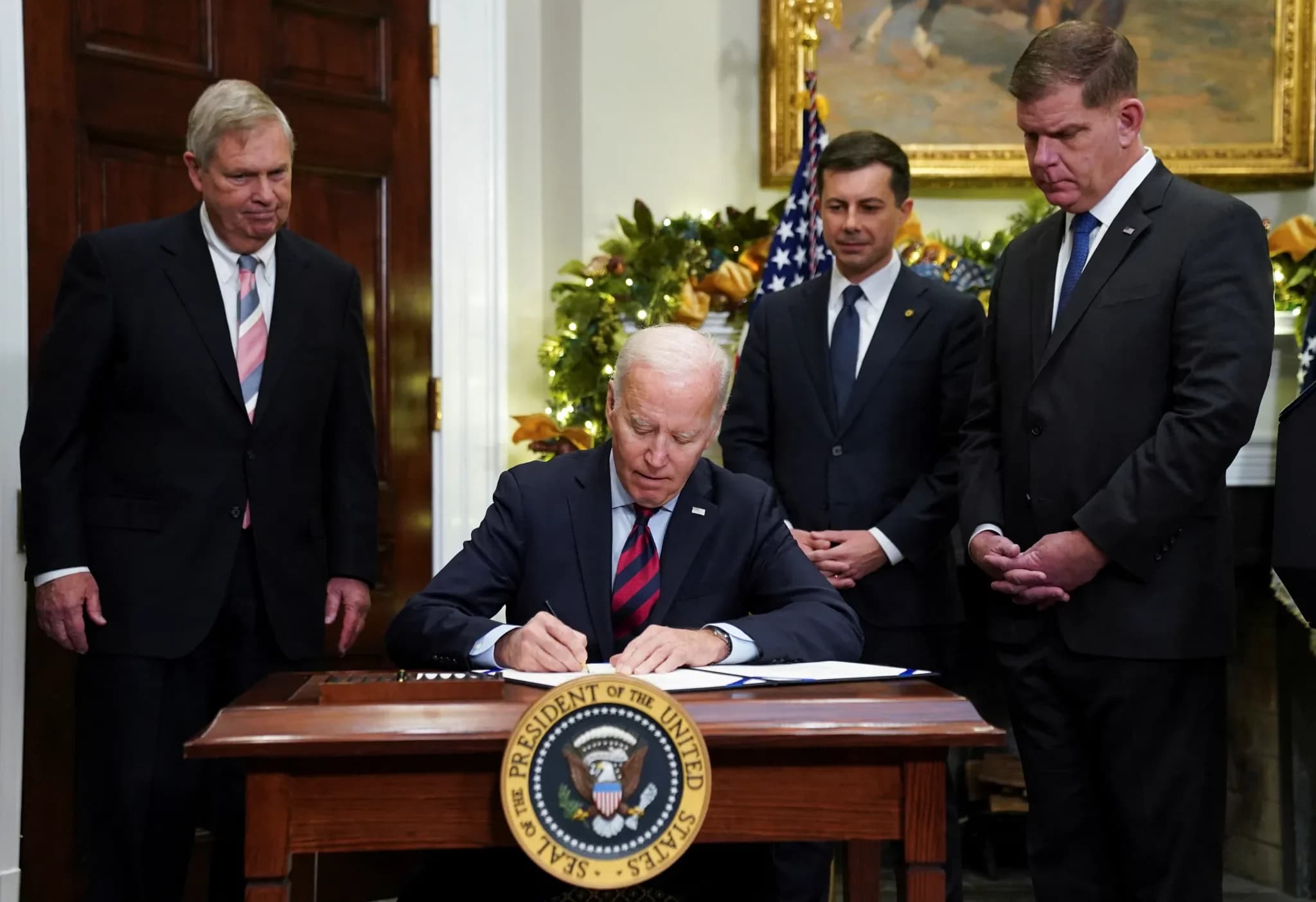
The Biden-Harris administration has announced an additional allocation of $380 million through the Department of Homeland Security’s (DHS) Shelters and Services Program (SSP) to assist localities grappling with the challenges posed by illegal immigration. This funding aims to mitigate the impact on public services, housing, and law enforcement, which have been strained by the ongoing influx of undocumented migrants. This latest financial boost comes after the administration provided $259 million in April 2024 and over $780 million in 2023 for similar purposes. These allocations are part of a
The Biden-Harris administration has announced an additional allocation of $380 million through the Department of Homeland Security’s (DHS) Shelters and Services Program (SSP) to assist localities grappling with the challenges posed by illegal immigration. This funding aims to mitigate the impact on public services, housing, and law enforcement, which have been strained by the ongoing influx of undocumented migrants. This latest financial boost comes after the administration provided $259 million in April 2024 and over $780 million in 2023 for similar purposes. These allocations are part of a broader strategy to ensure that cities and states affected by high levels of illegal immigration can continue to function effectively and maintain public order. Many cities, particularly those close to the U.S.-Mexico border, have reported being overwhelmed by the demands on their infrastructure and public services due to increased migration. The SSP funding is intended to alleviate some of these pressures, offering support for shelter operations, transportation, and emergency management. Local officials have expressed relief at the additional funding but also caution that sustainable, long-term solutions are needed to address the root causes of migration and manage its impacts more effectively. The resources provided through the SSP are seen as a temporary measure to help localities cope with immediate needs. The latest funding announcement has reignited debate over the economic and social costs of illegal immigration. Critics, including the Center for Immigration Studies, argue that undocumented immigrants are a net fiscal drain on the economy. They point to the relatively low tax contributions from this group compared to their usage of public benefits, such as healthcare and education services. Proponents of more supportive immigration policies, however, argue that immigrants, including those who are undocumented, contribute significantly to the economy through labor, consumption, and entrepreneurship. They also emphasize the humanitarian aspect of providing support to individuals and families who are often fleeing violence and poverty in their home countries. The Biden-Harris administration’s handling of immigration has been under intense scrutiny, with opponents criticizing the perceived leniency of its border policies, while advocates push for more comprehensive reforms that would provide pathways to legal status for many undocumented immigrants. The administration has faced a difficult balancing act, attempting to manage border security, uphold humanitarian values, and respond to the concerns of overwhelmed local governments. The allocation of these additional funds reflects an acknowledgment of the complex challenges posed by illegal immigration and the need for continued federal support to localities bearing the brunt of these impacts. As debates over immigration policy continue to heat up, particularly with the upcoming presidential election, the Biden-Harris administration will likely face further scrutiny and pressure to present more long-term solutions.



Comments
No comments yet. Be the first to share a thought.