
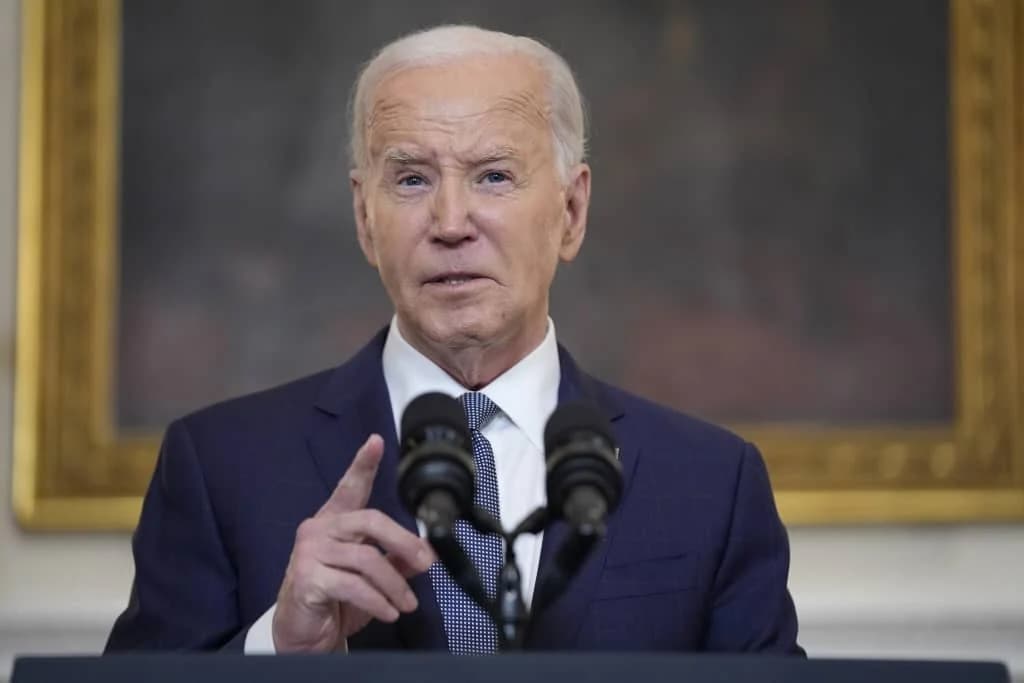
On Friday, as many Israelis were enjoying their post-Shabbat-dinner slumber, US President Joe Biden stepped up to the microphones in the White House State Dining Room to deliver a potentially game-changing address. He presented what he called the latest Israeli proposal for a deal with Hamas to “bring all the hostages home, ensure Israel’s security, create a better day after in Gaza without Hamas in power, and set the stage for a political settlement that provides a better future for Israelis and Palestinians alike.” In his 15-minute speech, Biden laid out a three-phase plan that would
On Friday, as many Israelis were enjoying their post-Shabbat-dinner slumber, US President Joe Biden stepped up to the microphones in the White House State Dining Room to deliver a potentially game-changing address. He presented what he called the latest Israeli proposal for a deal with Hamas to “bring all the hostages home, ensure Israel’s security, create a better day after in Gaza without Hamas in power, and set the stage for a political settlement that provides a better future for Israelis and Palestinians alike.” In his 15-minute speech, Biden laid out a three-phase plan that would result in the release of all hostages, the end of the war, and a rebuilding of the Gaza Strip without Hamas in power. But the president’s attempt to create a “decisive moment” to close down the fighting and move to the “day after” left fundamental questions unanswered. It is precisely those issues that will determine whether a deal is even possible, and whether it will achieve Israel’s war aims of freeing the hostages and toppling Hamas… or be the recipe for the return of a more lethal and determined Hamas.



Comments
No comments yet. Be the first to share a thought.