
Microsoft co-founder and philanthropist Bill Gates has highlighted Africa’s young population, stronger health systems, artificial intelligence and locally developed innovation as some of the continent’s biggest opportunities for economic growth. Speaking ahead of his visit to Rwanda, Gates said the country’s progress demonstrates how long-term investment in people, institutions and healthcare can translate into measurable improvements in people’s lives. He pointed to Rwanda’s progress in reducing child and maternal deaths since 2000, crediting investments in primary healthcare, community hea
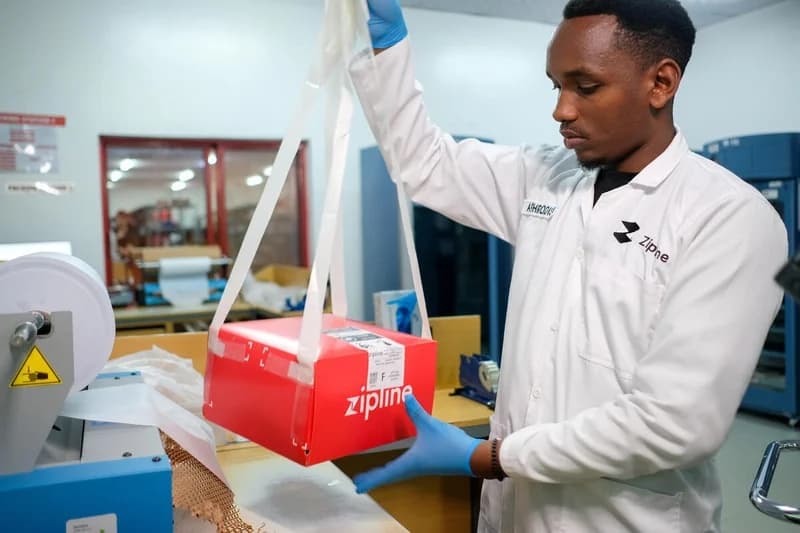
Microsoft co-founder and philanthropist Bill Gates has highlighted Africa’s young population, stronger health systems, artificial intelligence and locally developed innovation as some of the continent’s biggest opportunities for economic growth. Speaking ahead of his visit to Rwanda, Gates said the country’s progress demonstrates how long-term investment in people, institutions and healthcare can translate into measurable improvements in people’s lives. He pointed to Rwanda’s progress in reducing child and maternal deaths since 2000, crediting investments in primary healthcare, community health workers and institutions such as the Rwanda Biomedical Centre. Africa’s young population as a major opportunity Gates described Africa’s young population as the continent’s greatest asset. He noted that by 2040, Africa is expected to have the world’s largest working-age population. For him, the demographic shift could become a major economic opportunity if governments continue investing in education, healthcare, technology and innovation. Across the continent, young entrepreneurs are already developing businesses in artificial intelligence, fintech, healthcare and creative industries. Gates said Africa has previously demonstrated its ability to adopt new technologies quickly, pointing to the rapid growth of mobile money as an example. AI could transform healthcare and education Gates also sees artificial intelligence as a major opportunity for Africa, but stressed that technology should strengthen human capacity rather than simply replace workers. He highlighted potential applications including helping teachers personalize learning, supporting healthcare workers in making better decisions, identifying high-risk pregnancies and giving farmers better information. In Rwanda, the National Health Intelligence Center is working to connect health and population data to help decision-makers respond faster and make better-informed decisions. The Gates Foundation is also supporting Horizon 1000, an initiative aimed at equipping 1,000 primary healthcare facilities with AI tools by 2028. Local manufacturing could strengthen Africa’s economy Gates further emphasized the importance of African countries producing essential goods locally, particularly medicines, vaccines and medical supplies. He cited Rwanda’s TKMD, which has reportedly produced more than 22 million syringes since 2024 and secured a UNICEF contract for an additional 150 million units. According to Gates, expanding local manufacturing is not only about reducing dependence on imports. It can also create jobs, improve health security and build industries capable of competing internationally. Stronger African-led partnerships With development assistance facing pressure globally, Gates said African countries will need stronger domestic institutions and leadership. He argued that international partnerships should support priorities defined by African governments and institutions rather than impose external agendas. His message is clear: Africa’s next phase of growth will depend increasingly on its people, its institutions and its ability to turn innovation into solutions that improve everyday life.
Comments
No comments yet. Be the first to share a thought.