
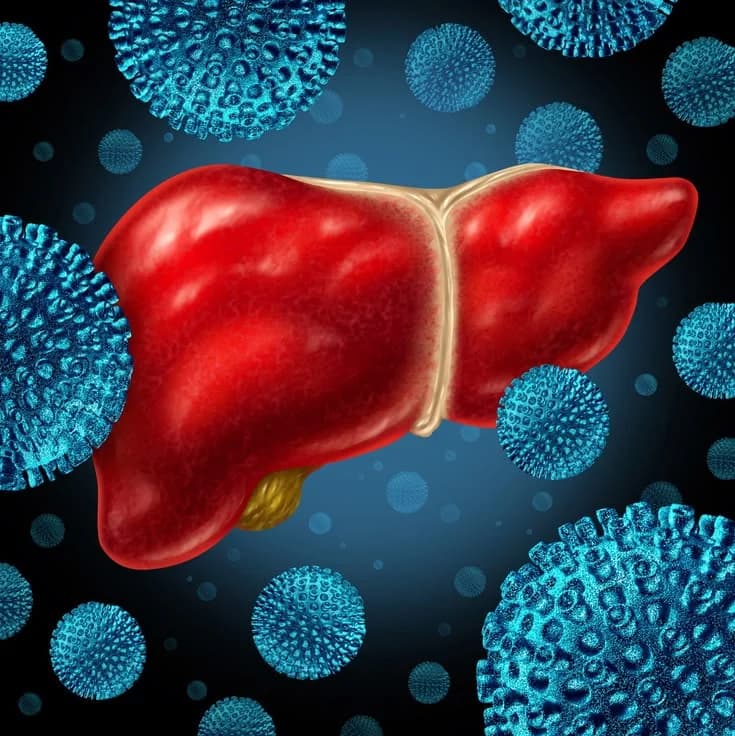
The liver is one of the body’s most important organs, performing hundreds of functions that help maintain good health. It processes nutrients, produces essential proteins and helps remove or process substances from the blood. When the liver is repeatedly damaged, healthy tissue can gradually be replaced by scar tissue, potentially leading to cirrhosis, liver failure or liver cancer. Liver disease can develop silently, with some people experiencing few or no symptoms during its early stages. Major causes include chronic hepatitis B and C infections, excessive alcohol consumption and metabolic
The liver is one of the body’s most important organs, performing hundreds of functions that help maintain good health. It processes nutrients, produces essential proteins and helps remove or process substances from the blood. When the liver is repeatedly damaged, healthy tissue can gradually be replaced by scar tissue, potentially leading to cirrhosis, liver failure or liver cancer. Liver disease can develop silently, with some people experiencing few or no symptoms during its early stages. Major causes include chronic hepatitis B and C infections, excessive alcohol consumption and metabolic dysfunction-associated steatotic liver disease (MASLD), commonly associated with obesity, type 2 diabetes and other metabolic conditions. Other causes include autoimmune diseases, inherited disorders and liver damage linked to certain medicines or toxic substances. Chronic hepatitis B and C are particularly important because they can remain undiagnosed for years while continuing to damage the liver. When symptoms appear, they may include persistent tiredness, loss of appetite, unexplained weight loss and discomfort in the upper-right part of the abdomen. More advanced liver disease can cause yellowing of the skin or eyes, swelling of the abdomen or legs, easy bruising, severe itching, dark urine and changes in memory or thinking. Some forms of liver disease can be prevented or managed by reducing excessive alcohol consumption, maintaining a healthy weight, exercising regularly and managing conditions such as diabetes. Hepatitis B can be prevented through vaccination, while safe blood and injection practices reduce the risk of viral transmission. Although there is no vaccine for hepatitis C, modern antiviral medicines can cure more than 95% of people who receive appropriate treatment. Because liver disease may remain unnoticed, testing is important for people with relevant risk factors. Early diagnosis can provide an opportunity for treatment and help prevent serious complications. Protecting liver health therefore requires awareness, prevention, appropriate testing and timely medical care.


Comments
No comments yet. Be the first to share a thought.