
Brazil is thinking of introducing a groundbreaking piece of legislation, unofficially dubbed the "Vini Jr Law" , that aims to empower the nation's justice system to prosecute acts of racism committed against Brazilians anywhere in the world, even if the perpetrators have never set foot on Brazilian soil. The proposed bill, driven by the persistent racist abuse endured by Real Madrid and Brazil national team star Vinícius Júnior, marks a significant step in Brazil's fight against racial discrimination on a global scale. The legislation, formally known as PL 1218/2023, was introduced by Federa
Brazil is thinking of introducing a groundbreaking piece of legislation, unofficially dubbed the
"Vini Jr Law"
, that aims to empower the nation's justice system to prosecute acts of racism committed against Brazilians anywhere in the world, even if the perpetrators have never set foot on Brazilian soil. The proposed bill, driven by the persistent racist abuse endured by Real Madrid and Brazil national team star Vinícius Júnior, marks a significant step in Brazil's fight against racial discrimination on a global scale. The legislation, formally known as PL 1218/2023, was introduced by Federal Deputy Fernando Marangoni (União-SP). It seeks to amend the Brazilian Penal Code to classify racism against Brazilians as a crime subject to unconditioned extraterritoriality. This powerful legal principle currently applies to severe offenses such as genocide or attempts on the life of the President, granting Brazil the jurisdiction to pursue justice regardless of where the crime occurred.

Vinicius Junior, Real Madrid and Brazil Player
Vinícius Júnior's repeated encounters with racial slurs and abuse in Spanish football stadiums have sparked outrage both within Brazil and internationally. His public stand against racism, often calling out the perpetrators directly, has galvanized a national movement for stronger legal protections. "What Vinícius has endured is not just a personal attack, but an affront to every Brazilian," stated Deputy Marangoni in a recent press conference. "Our existing laws need to evolve to protect our citizens, wherever they may be. Racism knows no borders, and neither should our pursuit of justice."
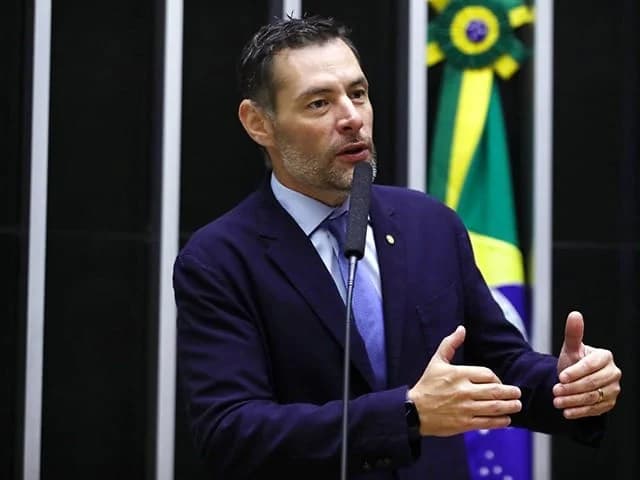
Federal Deputy Fernando Marangoni, Brazil
The proposed law would, in theory, allow a Brazilian court to issue a conviction against a foreign national for a racist act committed abroad against a Brazilian citizen. While enforcement could present challenges due to international extradition complexities, legal experts believe it sends a powerful message. Internationally, football's governing bodies, FIFA and UEFA, have been under increasing pressure to address racism more effectively. While they have introduced stricter penalties and educational initiatives, the "Vini Jr Law" represents a national government taking direct legislative action that could influence how countries collaborate on prosecuting hate crimes. The "Vini Jr Law" is currently under deliberation in the Chamber of Deputies and will need to pass through several committees and votes before it can be sent to the Senate and ultimately to the President for sanction. Its journey through the legislative process is being closely watched, both within Brazil and by human rights organizations worldwide.



Comments
No comments yet. Be the first to share a thought.