
With just over 100 days until the 2026 FIFA World Cup, the world’s most celebrated sporting event is colliding with one of the most dangerous geopolitical escalations in recent memory. The tournament, organized by FIFA and co-hosted by the United States, Canada and Mexico, was expected to symbolize unity across borders. Instead, it now faces the shadow of intensifying conflict involving the U.S., Israel and Iran. Iran has officially qualified for the 2026 tournament and is scheduled to play group-stage matches in Los Angeles and Seattle. On the pitch, Team Melli earned its place through disci
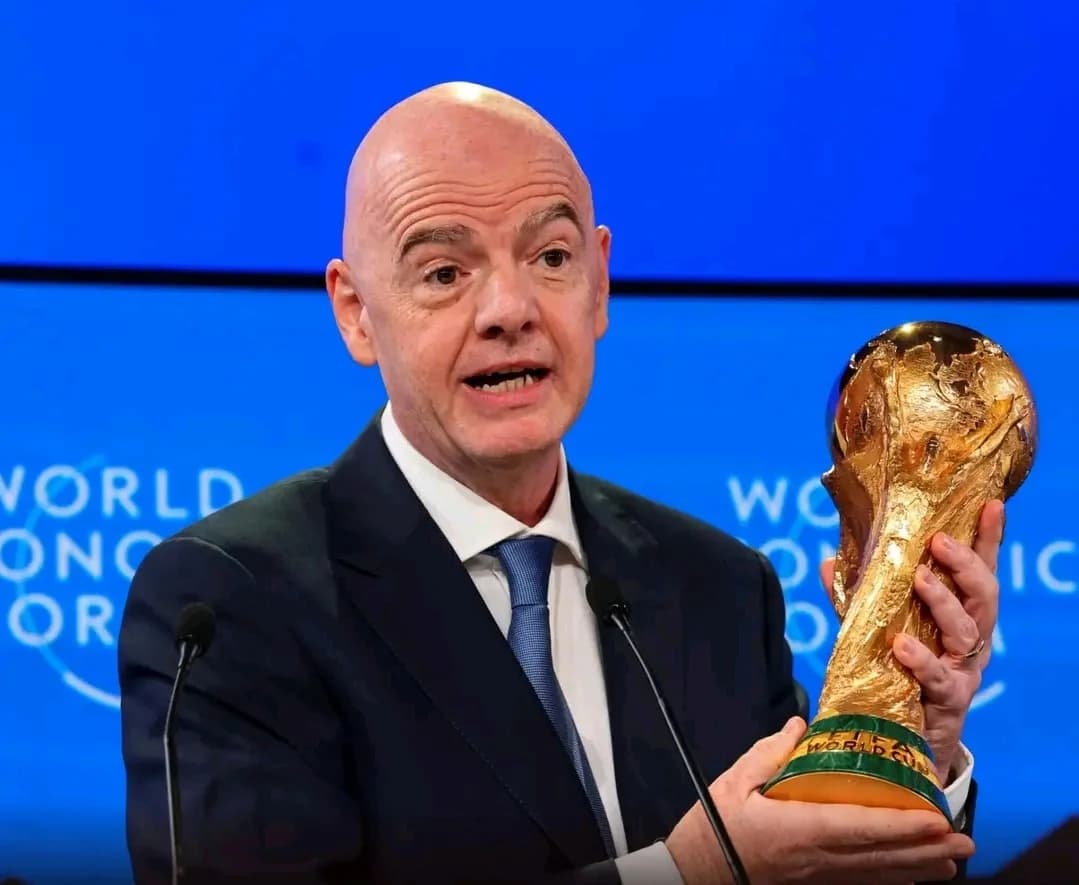
With just over 100 days until the 2026 FIFA World Cup, the world’s most celebrated sporting event is colliding with one of the most dangerous geopolitical escalations in recent memory. The tournament, organized by FIFA and co-hosted by the United States, Canada and Mexico, was expected to symbolize unity across borders. Instead, it now faces the shadow of intensifying conflict involving the U.S., Israel and Iran. Iran has officially qualified for the 2026 tournament and is scheduled to play group-stage matches in Los Angeles and Seattle. On the pitch, Team Melli earned its place through disciplined performances and regional dominance. Off the pitch, however, its participation has become entangled in diplomatic uncertainty. Recent joint military operations by Washington and Israel against Iranian targets followed by retaliatory strikes across the region have escalated tensions dramatically. While sport and politics often claim separation, history suggests otherwise. From Olympic boycotts to FIFA suspensions, global conflict has repeatedly tested the autonomy of sport. For FIFA, the challenge is twofold: safeguarding the tournament’s integrity while navigating diplomatic realities. Visa approvals, security protocols, travel restrictions, and fan mobility now carry political weight. Iranian supporters may face barriers entering the U.S., and political pressure could intensify as the tournament approaches. For football itself, the stakes are emotional as much as logistical. The World Cup is more than competition it is a rare arena where national identity, pride, and global belonging intersect. If Iran’s participation were disrupted, it would mark not just a sporting absence but a symbolic fracture in football’s promise of universality. As the countdown continues, one question looms larger than any tactical formation: Can the world’s biggest game remain neutral ground in an increasingly polarized world?



Comments
No comments yet. Be the first to share a thought.