
Cape Verde held its presidential election on Sunday, November 15, 2026, in a contest that could see the country elect its first female president since gaining independence in 1975.
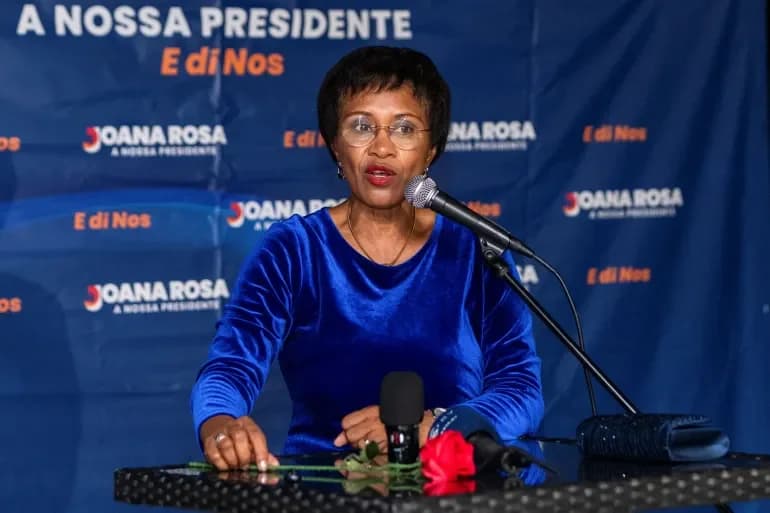
Incumbent President José Maria Neves faced five challengers, including Joana Rosa Amado, a former justice minister and the first woman to run for president in the country’s history.
More than 300,000 eligible voters were expected to participate in the election. Polling stations opened at 8:00 a.m. and were scheduled to close at 6:00 p.m. local time. Provisional results were expected within two to three days.
If no candidate secures more than 50 percent of the votes, the two leading candidates will proceed to a runoff election scheduled for November 29, 2026.
The election campaign focused on major challenges facing the country, including youth unemployment, emigration and the need to create more economic opportunities at home.
Cape Verde has a population of approximately 500,000 people, but a significant number of its citizens live abroad, particularly in Portugal and the United States. The number of Cape Verdeans living outside the country is estimated to be higher than those living within it.
José Maria Neves, 66, became president in 2021 after previously serving as prime minister from 2001 to 2016. His main challenger, Joana Rosa Amado, was supported by the opposition Movement for Democracy (MpD).
Cape Verde operates under a semi-presidential system in which the prime minister leads the government, while the president has responsibilities that include mediating political affairs and exercising veto powers.
The election is therefore an important moment for the country's political future, particularly as voters consider leadership, economic development and opportunities for young people.



Comments
No comments yet. Be the first to share a thought.