
A fragile wave of calm is emerging across parts of the Middle East after Iran announced that the Strait of Hormuz has been declared “completely open” to commercial shipping for the duration of a ceasefire, easing fears over one of the world’s most strategically sensitive waterways. Iran’s Foreign Minister said the decision applies to all commercial vessels and is part of a coordinated arrangement tied to ongoing ceasefire agreements in the region. The announcement comes after weeks of heightened tension that had disrupted maritime traffic through the strait, through which roughly one-fifth of
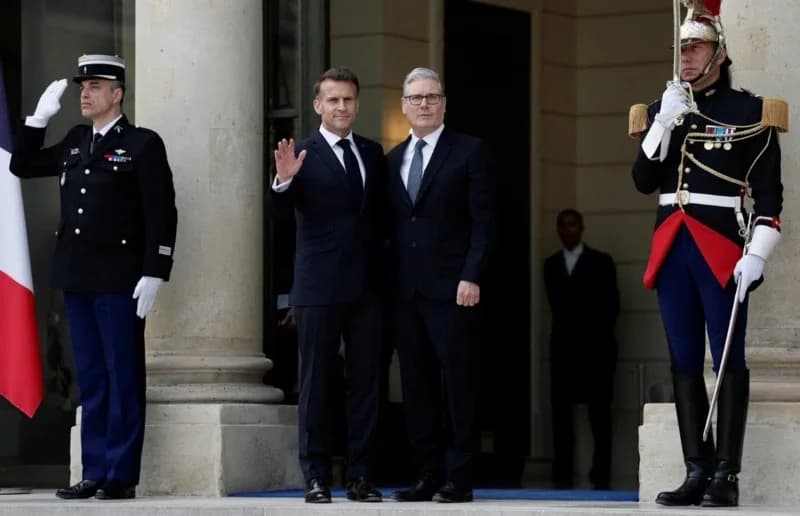
A fragile wave of calm is emerging across parts of the Middle East after Iran announced that the Strait of Hormuz has been declared “completely open” to commercial shipping for the duration of a ceasefire, easing fears over one of the world’s most strategically sensitive waterways. Iran’s Foreign Minister said the decision applies to all commercial vessels and is part of a coordinated arrangement tied to ongoing ceasefire agreements in the region. The announcement comes after weeks of heightened tension that had disrupted maritime traffic through the strait, through which roughly one-fifth of global oil and liquefied natural gas supplies pass. The move triggered an immediate reaction on global markets, with oil prices falling as traders responded to the restored flow of shipping lanes. The development was quickly welcomed by several international leaders, who have been pushing for guarantees of safe passage through the chokepoint. In the United States, former President Donald Trump publicly hailed the announcement, posting a message thanking Iran and framing the reopening as a breakthrough for global trade stability. European leaders also moved swiftly, with the United Kingdom and France convening discussions alongside dozens of countries on forming a coordinated maritime mission to safeguard navigation in the Strait. The diplomatic momentum comes alongside a broader and highly delicate ceasefire environment in the region, particularly following a 10-day truce between Israel and Lebanon. That agreement has brought temporary relief to civilians on both sides of the border, with thousands beginning to return to damaged towns and villages in southern Lebanon. However, officials and observers warn that the situation remains volatile, with no firm political settlement in place. On the ground, scenes of cautious celebration have been mixed with deep uncertainty. In Beirut and southern Lebanon, fireworks and gunfire marked the start of the truce, but widespread destruction has left many communities unable to return home permanently. Israeli officials, meanwhile, have signaled that their military presence in southern Lebanon will continue within a so-called “security zone,” raising concerns that hostilities could resume. Hezbollah has also made clear it has no intention of disarming under current conditions, insisting that any long-term agreement must include Israeli withdrawal and broader political guarantees. The group has described itself as remaining on alert in case of any ceasefire violations. Despite the diplomatic progress, analysts caution that the current calm may be temporary. The absence of detailed long-term agreements, combined with unresolved territorial and security disputes, leaves the region vulnerable to renewed escalation. As one Middle East analyst noted, the overlapping interests of regional and global powers may be driving the ceasefire forward for now—but sustaining it will require far more than temporary political alignment. For now, both the reopening of the Strait of Hormuz and the Lebanon ceasefire offer a brief respite from conflict. Whether this moment evolves into lasting peace remains uncertain.



Comments
No comments yet. Be the first to share a thought.