
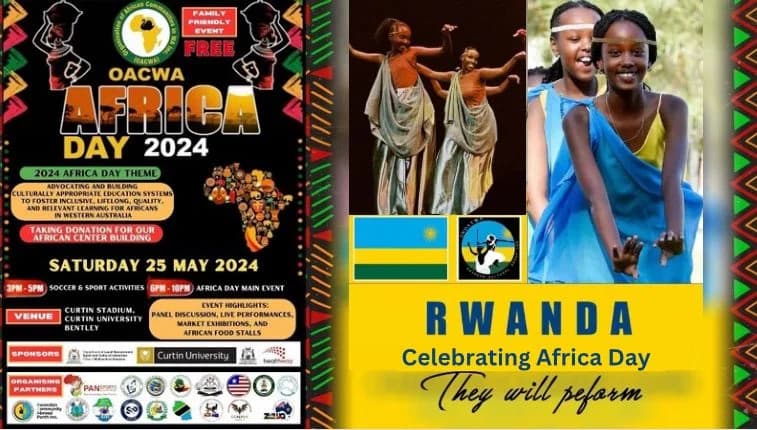
By: Ras Banamungu, Staff Writer Yesterday, May 24, 2024, marked the annual celebration of African Day, a significant event commemorating the formation of the Organization of African Unity (OAU) on May 25, 1963. This day, now celebrated as Africa Day, highlights the unity, diversity, and progress of the African continent. Across various countries, people engaged in festivities, discussions, and reflections on Africa's journey, achievements, and future aspirations. Historical Context Africa Day traces its origins to the formation of the OAU, an organization aimed at promoting unity and sol
By: Ras Banamungu, Staff Writer Yesterday, May 24, 2024, marked the annual celebration of African Day, a significant event commemorating the formation of the Organization of African Unity (OAU) on May 25, 1963. This day, now celebrated as Africa Day, highlights the unity, diversity, and progress of the African continent. Across various countries, people engaged in festivities, discussions, and reflections on Africa's journey, achievements, and future aspirations.
Historical Context
Africa Day traces its origins to the formation of the OAU, an organization aimed at promoting unity and solidarity among African states and coordinating efforts for economic development and political stability. The OAU was succeeded by the African Union (AU) in 2002, which continues to advance these goals, focusing on regional integration, peace, security, and socio-economic development.
Themes and Significance
The theme for Africa Day 2024 was "Celebrating Our Diversity, Embracing Our Future," emphasizing the continent's rich cultural heritage and the importance of unity in diversity. The theme underscored the need for African nations to harness their cultural, economic, and social diversities to foster a united and prosperous future.
Celebrations Across the Continent
South Africa
In South Africa, the government organized a series of events including cultural performances, panel discussions, and exhibitions showcasing African art, music, and literature. President Cyril Ramaphosa addressed the nation, highlighting the strides made in economic growth, social development, and the fight against poverty and inequality. He also stressed the importance of regional cooperation in addressing contemporary challenges such as climate change and health crises.
Nigeria
Nigeria's celebrations were marked by a vibrant parade in Abuja, featuring traditional dances, music, and a showcase of the country's diverse ethnic cultures. Vice President Yemi Osinbajo emphasized the need for youth engagement and innovation in driving Africa's development. Several youth-led tech and entrepreneurial initiatives were highlighted, showcasing Nigeria's role as a burgeoning hub for technology and innovation in Africa.
Kenya
In Kenya, the government held a symposium focusing on the role of women and youth in Africa's development. President William Ruto underscored the importance of inclusivity and gender equality in achieving sustainable development. The symposium featured testimonies from successful female entrepreneurs and youth leaders, illustrating the potential of Africa's young population.
Ghana
Ghana celebrated Africa Day with a grand festival in Accra, featuring a blend of traditional and contemporary African music, dance, and cuisine. President Nana Akufo-Addo called for greater economic integration within the continent, advocating for the African Continental Free Trade Area (AfCFTA) as a catalyst for economic growth and poverty reduction. The festival also included discussions on Pan-Africanism and the role of diaspora communities in Africa's development.
Continental and Global Reflections
The African Union held a virtual summit with leaders from across the continent, reflecting on the progress made towards the AU's Agenda 2063, a strategic framework for Africa's socio-economic transformation. The summit emphasized the importance of peace, security, and good governance in achieving these goals. Internationally, African Day was celebrated by diaspora communities worldwide. In cities like New York, London, and Paris, African embassies and cultural organizations hosted events to showcase African culture and discuss the continent's global impact. These events fostered a sense of pride and solidarity among African diasporas, emphasizing their role in supporting development initiatives back home.
Challenges and Future Prospects
While Africa Day is a time for celebration, it also serves as a reminder of the challenges that lie ahead. Issues such as political instability, economic disparities, and the impacts of climate change continue to hinder progress. However, the resilience and dynamism of the African people provide hope for overcoming these challenges. The focus on youth and innovation is particularly promising, as Africa has the youngest population in the world. Harnessing this demographic dividend through education, employment opportunities, and technological advancements could transform the continent's socio-economic landscape.
Conclusion
Africa Day 2024 was a testament to the continent's journey from colonial subjugation to independence and ongoing efforts towards unity and development. It celebrated Africa's rich cultural heritage, diverse identities, and collective aspirations for a brighter future. As the continent continues to navigate its complex challenges, the spirit of unity and solidarity remains a guiding force, inspiring hope and progress for generations to come. HOBE AUSTRALIA NEWS is proud to cover Africa Day 2024 and will continue to bring you updates on developments across the continent.

A bustling food stall offering a variety of African dishes at the Africa Day festival in Perth.

Traditional dancers perform at the Africa Day 2024 celebration, showcasing the vibrant culture of the continent.

African styles, another uniqueness for Africans

African diaspora played an exhibition football game to celebrate the day.

Celebrations after the exhibition match


Comments
No comments yet. Be the first to share a thought.