
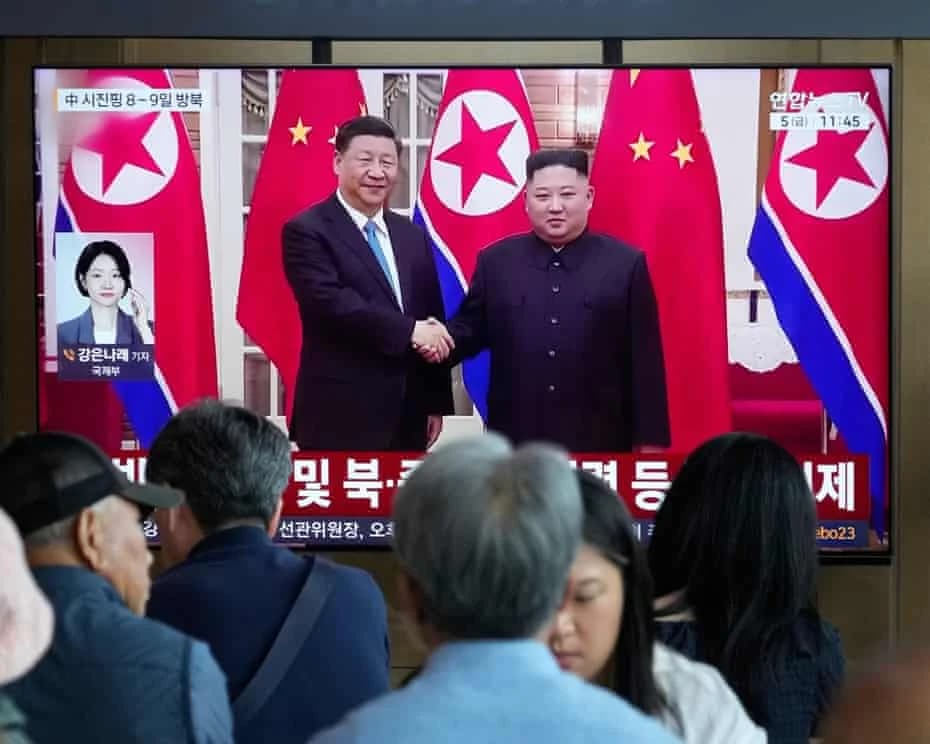
Beijing and Pyongyang appear to be moving toward a renewed phase of diplomatic engagement, with reports indicating the possibility of a high-level meeting between Chinese President Xi Jinping and North Korean leader Kim Jong-un . The development is being closely watched by international observers as a potential reset in one of Asia’s most sensitive strategic relationships. According to diplomatic sources and regional media reporting, the anticipated engagement reflects efforts to stabilize and strengthen ties between the People’s Republic of China and the Democratic People’s Republic of Korea
Beijing and Pyongyang appear to be moving toward a renewed phase of diplomatic engagement, with reports indicating the possibility of a high-level meeting between Chinese President Xi Jinping and North Korean leader Kim Jong-un. The development is being closely watched by international observers as a potential reset in one of Asia’s most sensitive strategic relationships.
According to diplomatic sources and regional media reporting, the anticipated engagement reflects efforts to stabilize and strengthen ties between the People’s Republic of China and the Democratic People’s Republic of Korea after a period marked by limited high-level exchanges and cautious coordination.
A Calculated Diplomatic Rebalancing
Analysts view the possible talks as part of China’s broader strategy to reinforce its influence in Northeast Asia, particularly on issues surrounding the Korean Peninsula. China has long positioned itself as a key stakeholder in regional stability, maintaining both political and economic channels with North Korea even amid tightening international sanctions.
Despite fluctuations in recent years, Beijing remains North Korea’s most important trading partner and diplomatic supporter, giving it significant leverage in shaping regional dynamics.
Strategic Motivations Behind the Engagement
Experts suggest several core motivations may be driving the renewed diplomatic outreach:
Reasserting China’s strategic role in Northeast Asian security affairs
Reducing gaps and misalignments in bilateral coordination with North Korea
Expanding economic cooperation channels amid sanctions constraints
Preserving influence over discussions surrounding North Korea’s nuclear program
For Pyongyang, deeper engagement with Beijing offers an opportunity to mitigate isolation, strengthen economic resilience, and reinforce political backing amid sustained pressure from Western governments.
Regional and Global Implications
If confirmed, a Xi–Kim meeting could carry significant consequences for the wider geopolitical landscape, particularly involving the United States, South Korea, and Japan.
Possible outcomes include:
A recalibration of power dynamics in Northeast Asia
Expanded economic and diplomatic support pathways for North Korea
Adjustments in multilateral diplomatic strategies on denuclearization talks
Increased strategic competition among major regional actors
While official details regarding timing, venue, and agenda remain undisclosed, the reported development underscores Beijing’s intent to reassert itself as a central diplomatic actor in Korean Peninsula affairs.
Outlook
Although the situation remains fluid, any confirmed high-level engagement between Xi Jinping and Kim Jong-un would mark a significant moment in regional diplomacy. It would signal not only a strengthening of bilateral ties but also a potential shift in how major powers engage with long-standing security challenges in Northeast Asia.



Comments
No comments yet. Be the first to share a thought.