
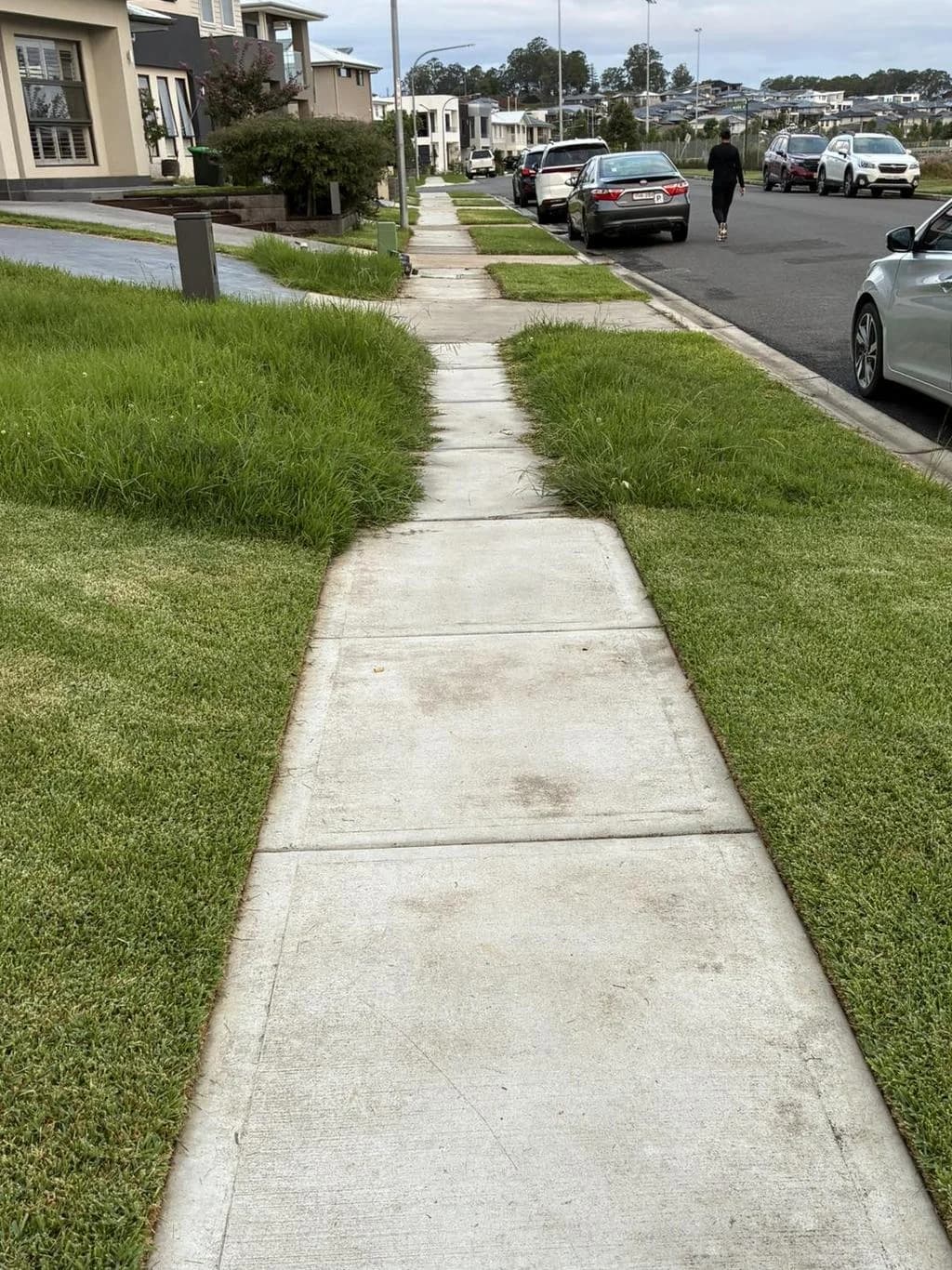
February 16, 2026 — Sydney, Australia: A quiet suburban ritual has turned into a heated national debate across Australia, where the simple act of mowing the lawn is dividing neighborhoods and redefining what it means to be a responsible homeowner. Maintaining the landscape, one cut at a time In cities such as Sydney and Melbourne, residents are clashing over whether grass should be cut short and neat or allowed to grow longer in support of environmental sustainability. What once symbolized suburban pride, a freshly trimmed, emerald-green lawn , is now being questioned in the face of climat
February 16, 2026 — Sydney, Australia: A quiet suburban ritual has turned into a heated national debate across Australia, where the simple act of mowing the lawn is dividing neighborhoods and redefining what it means to be a responsible homeowner.
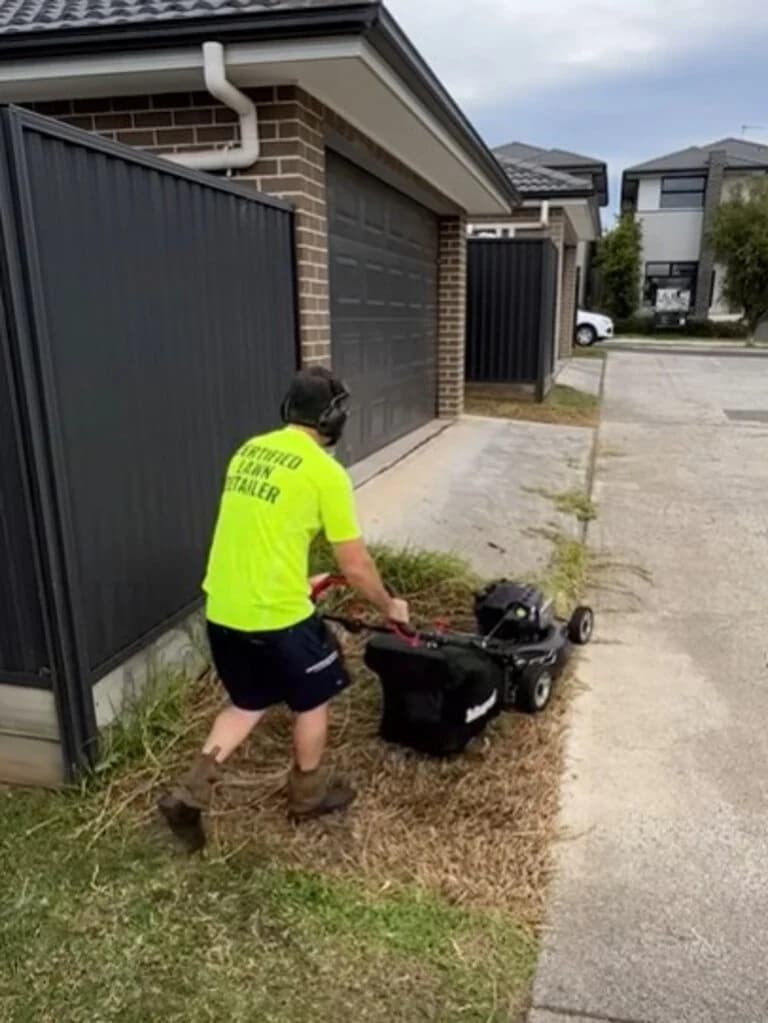
Maintaining the landscape, one cut at a time
In cities such as Sydney and Melbourne, residents are clashing over whether grass should be cut short and neat or allowed to grow longer in support of environmental sustainability. What once symbolized suburban pride, a freshly trimmed, emerald-green lawn , is now being questioned in the face of climate pressures and shifting values. Advocates of natural lawns argue that longer grass conserves water, supports pollinators, and improves soil resilience amid rising temperatures and recurring droughts. For them, the traditional lawn is outdated, even wasteful. Critics, however, see untamed yards as eyesores that could attract pests, lower property values, and strain community harmony. Local councils, caught in the middle, continue to enforce maintenance regulations to balance aesthetics and environmental concerns. So As climate realities reshape daily life, Australia’s lawn dispute reveals something deeper than grass length, it reflects a nation negotiating tradition, sustainability, and the evolving image of the suburban dream.



Comments
No comments yet. Be the first to share a thought.