
East African Community health ministers have agreed to harmonise Ebola surveillance and containment measures across all border crossings in the region and to establish a dedicated Regional Technical Taskforce, following an outbreak of the Bundibugyo strain in the Democratic Republic of Congo and Uganda. The resolutions were reached at the 8th Extraordinary Meeting of the EAC Sectoral Council of Ministers of Health, held virtually on 1–2 June 2026 and convened to review the evolving Ebola situation and provide strategic policy direction for a coordinated regional response. The DRC declared th
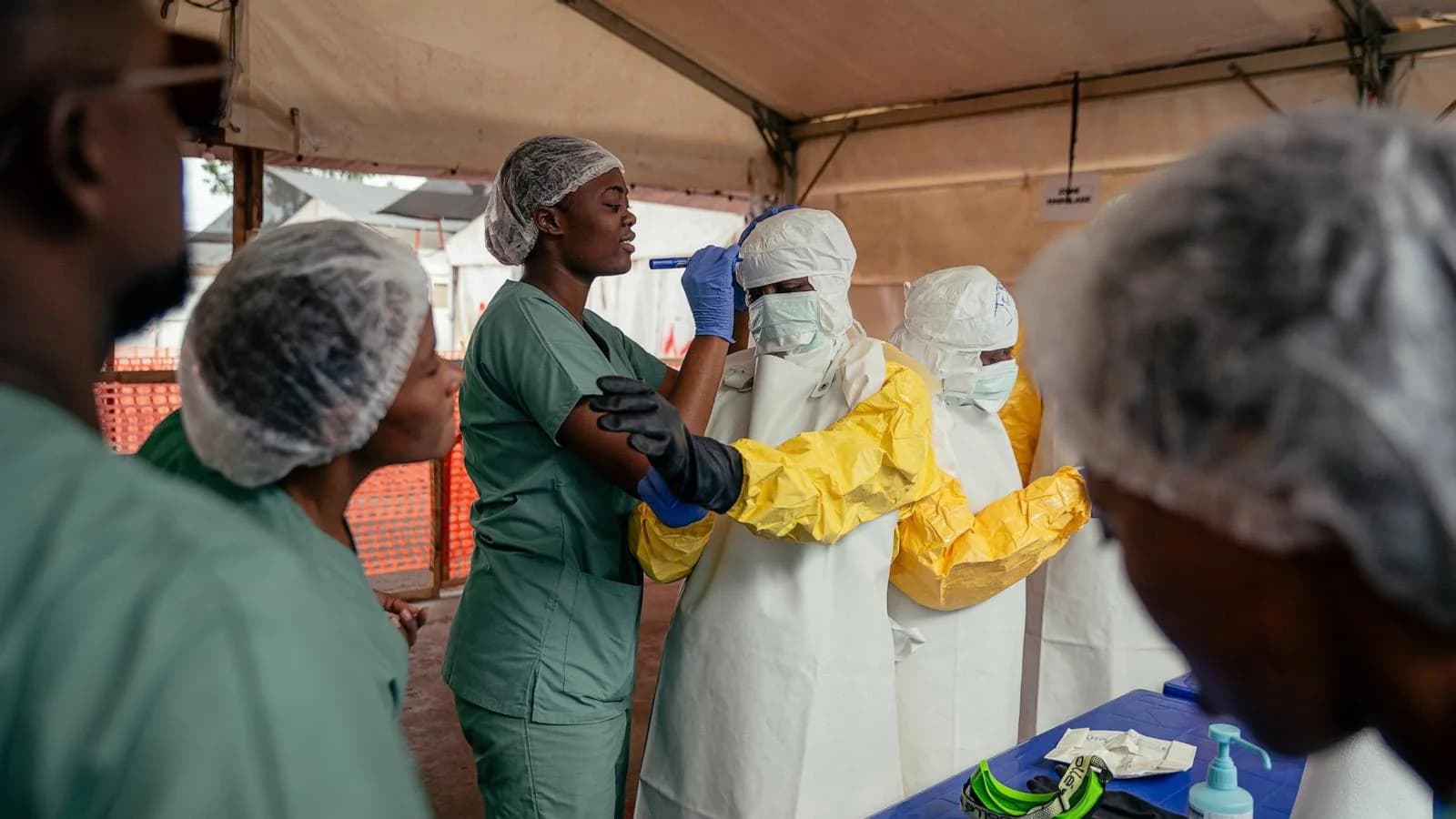
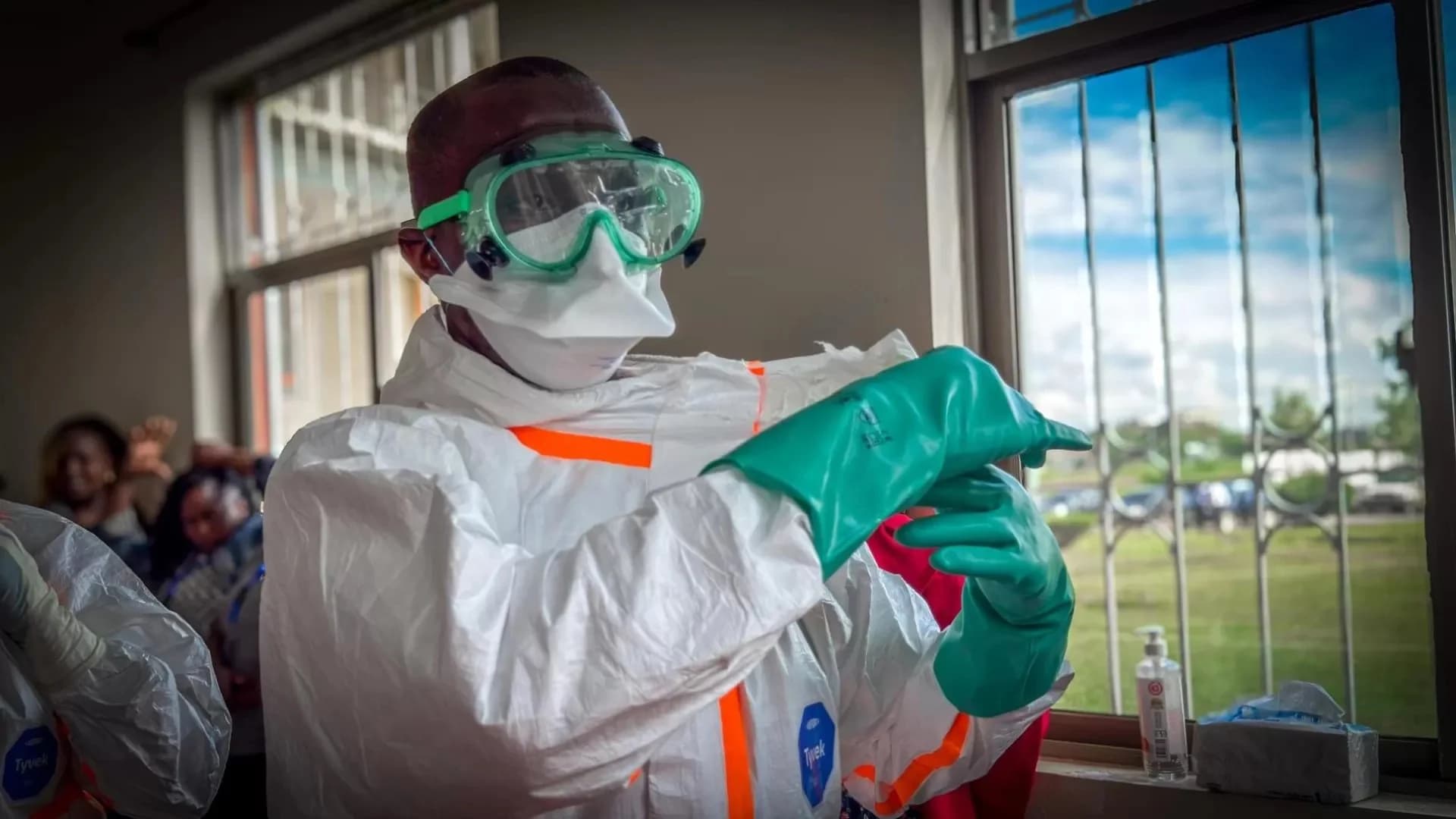
East African Community health ministers have agreed to harmonise Ebola surveillance and containment measures across all border crossings in the region and to establish a dedicated Regional Technical Taskforce, following an outbreak of the Bundibugyo strain in the Democratic Republic of Congo and Uganda. The resolutions were reached at the 8th Extraordinary Meeting of the EAC Sectoral Council of Ministers of Health, held virtually on 1–2 June 2026 and convened to review the evolving Ebola situation and provide strategic policy direction for a coordinated regional response. The DRC declared the Ebola Virus Disease outbreak on 15 May 2026. One day later, Uganda confirmed a spillover of the virus from DRC. The World Health Organization subsequently declared the event a Public Health Emergency of International Concern. The outbreak is caused by the Bundibugyo strain of the Ebola virus, a rare variant for which there is currently no licensed vaccine or specific treatment. It has mainly affected the DRC's Ituri, North Kivu, and South Kivu provinces, with Ituri remaining the epicentre, particularly Mongbwalu, an area of high population mobility and significant cross-border movement. As of 1 June 2026, the DRC had reported 121 confirmed cases and 1,077 suspected cases, including 17 confirmed deaths and 246 deaths among suspected cases. Uganda had reported 11 confirmed cases and one death. A total of 642 contacts had been identified, of whom 638 were under active follow-up. Ministers agreed to harmonise Ebola surveillance and protective measures at airports, ports, and land border crossings across all EAC partner states, and emphasised the importance of real-time sharing of epidemiological information among member states to facilitate early detection and a coordinated response. They agreed to standardise Ebola checks at all points of entry, including traveller health declarations and exit screening, in line with WHO guidance, cautioning that inconsistencies in border controls and screening could put neighbouring countries at risk of further transmission. Ministers directed partner states to facilitate and sustain the deployment of EAC mobile laboratories and technical experts at strategic locations, including border points of entry and identified hotspots. Ten EAC mobile laboratories have already been deployed across the region, including in DRC, Uganda, Kenya, Rwanda, Burundi, South Sudan, and Tanzania. In Rwanda, the mobile laboratories are being deployed at Gisenyi and Gihundwe hospitals in the border districts of Rubavu and Rusizi. Ministers also noted the planned procurement and immediate deployment of 500 additional PPE sets to the DRC and Uganda under the EAC Pandemic Preparedness Project, and welcomed ongoing efforts to establish a regional mechanism for accelerated registration and approval of Ebola vaccines, therapeutics, and diagnostics. EAC Secretary-General Stephen Mbundi said the bloc is mobilising regional mechanisms and working closely with partner states, Africa CDC, WHO, and development partners to strengthen surveillance, laboratory diagnosis, infection prevention and control, risk communication, and rapid response capacities. A key initiative is the activation of the EAC mobile laboratory network, funded by Germany through the German Development Bank and supported technically by the Bernhard Nocht Institute for Tropical Medicine. Africa CDC Director General Jean Kaseya, who attended the earlier cross-border ministerial meeting in Kampala, declared that the outbreak response would be led by Africa and for Africa, underscoring continental ownership of the response.
Comments
No comments yet. Be the first to share a thought.