
A Living Spiritual Legacy Indigenous Australians—Aboriginal and Torres Strait Islander peoples—hold one of the oldest continuing cultures on earth, stretching back more than 65,000 years. At the heart of this endurance is a deeply rooted spiritual system that is lived, not just believed. Indigenous spirituality in Australia isn’t confined to rituals and stories; it is embodied in Country, ancestors, ceremony, kinship, and the very breath of life itself. Understanding this spirituality is essential not only for reconciliation but for the spiritual well-being of the nation as a whole. As HobeN
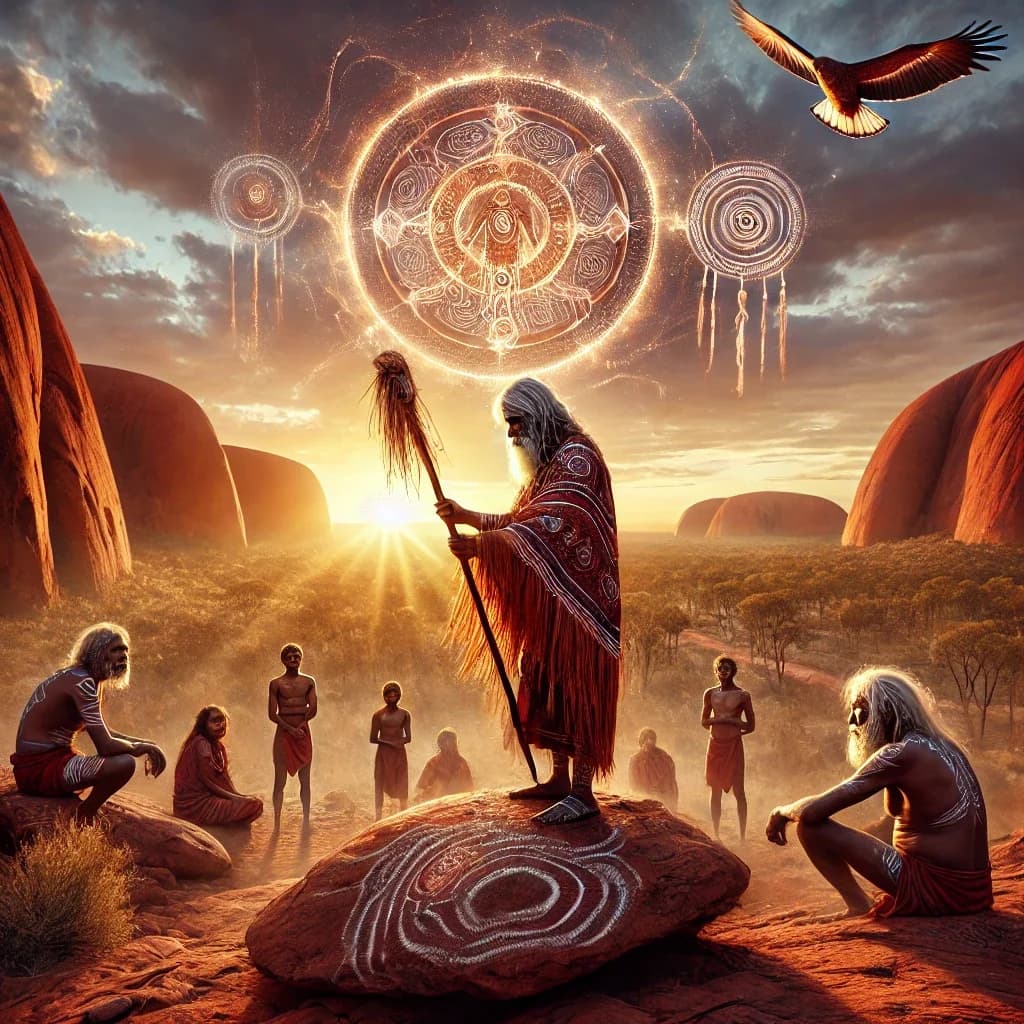
A Living Spiritual Legacy Indigenous Australians—Aboriginal and Torres Strait Islander peoples—hold one of the oldest continuing cultures on earth, stretching back more than 65,000 years. At the heart of this endurance is a deeply rooted spiritual system that is lived, not just believed. Indigenous spirituality in Australia isn’t confined to rituals and stories; it is embodied in Country, ancestors, ceremony, kinship, and the very breath of life itself. Understanding this spirituality is essential not only for reconciliation but for the spiritual well-being of the nation as a whole. As HobeNews continues to explore cultural intelligence and inclusive knowledge systems, we delve into the foundations of Australia’s Indigenous spirituality—its wisdom, challenges, and continued significance. 1. The Dreaming: Beyond Western Time The concept of The Dreaming (or Dreamtime) is central to Aboriginal spirituality. It refers to the mythic era of creation when ancestral beings shaped the land, gave laws, and initiated spiritual relationships that continue today. However, The Dreaming is not locked in the past—it is an ongoing, timeless force. In the words of Warlpiri elder Wenten Rubuntja: “The Dreaming is not just a story from long ago. It is happening now, and we live inside it.” (National Museum of Australia, 2023) Each group across Australia has its own language and name for the Dreaming. For example, the Anangu people call it Tjukurpa, the Yolŋu refer to it as Wangarr, and in Torres Strait Islander spirituality, it is expressed through Zogo. 2. Country: A Spiritual Kinship To Aboriginal and Torres Strait Islander peoples, “Country” does not merely signify land—it is a living entity with consciousness, law, and spirit. Every rock, tree, river, and desert is considered sacred and interconnected. Country provides identity and responsibility. The obligation to “Care for Country” is not symbolic; it is spiritual stewardship. As described by the Central Land Council: “Country is not a place. Country is a living being with a spirit. We belong to the land, and the land belongs to us.” (Central Land Council, 2020) 3. Kinship, Totems, and Songlines The spiritual structure of Indigenous life is woven through: Kinship systems, which define social roles and obligations. Totems, which connect individuals or groups to specific animals, plants, or elements, instilling a duty to protect and honor them. Songlines, which are oral maps embedded in songs that describe the journeys of ancestral beings. These songs are spiritual and navigational tools. These cultural mechanisms ensure that spirituality is not separated from everyday life—it is integrated into governance, marriage, diet, education, and the law. 4. Torres Strait Islander Spirituality: Oceanic Reverence Torres Strait Islanders possess a distinct spiritual system informed by seafaring traditions. Their beliefs honor ancestral spirits, marine life, and celestial navigation. Sacred sites such as Pulu Islet and cultural practices like the Malo-Bomai story form the foundation of Zogo, the Islanders’ sacred law. As noted by the Australian Institute of Aboriginal and Torres Strait Islander Studies (AIATSIS): “For Islanders, the sea is not just livelihood but ancestry, identity, and spiritual presence.” (AIATSIS, 2021) 5. Colonial Disruption and Cultural Resilience Colonisation from 1788 onwards led to land dispossession, cultural suppression, and spiritual displacement. Missions outlawed traditional ceremonies, languages were lost, and sacred sites were desecrated. Yet Indigenous spirituality proved resilient. In recent decades, cultural revival movements have sparked renewed ceremonies, language learning, and protection of sacred sites such as Uluru, Gariwerd, and the Burrup Peninsula. 6. Contemporary Recognition and Spiritual Rights Legal and political developments such as the Native Title Act 1993 and the Uluru Statement from the Heart (2017) have highlighted the need to recognize Indigenous spiritual connection to land. Spiritual sovereignty—where Indigenous peoples can practice their spirituality freely—is a critical component of self-determination. Efforts to include Indigenous knowledge in environmental management, health, and education are growing, yet much work remains. 7. Lessons for Modern Australia In an era marked by ecological degradation, mental health crises, and social disconnection, Indigenous spirituality offers holistic insight. Its emphasis on respect, interconnectedness, and spiritual responsibility to land and community provides a model for sustainable living. The Dreaming teaches not just about origin, but about our obligations—to the land, each other, and the unseen world. Conclusion: Walking Together in Spirit As we walk the path of truth-telling and reconciliation, it is time for all Australians to recognize Indigenous spirituality not as folklore but as a sophisticated, living worldview. Honoring this knowledge is not about looking back—it is about walking forward together, in respect, unity, and spirit. References and Resources: Australian Institute of Aboriginal and Torres Strait Islander Studies (AIATSIS). (2021). What is Indigenous Spirituality? https://aiatsis.gov.au National Museum of Australia. (2023). Understanding the Dreaming. https://www.nma.gov.au Central Land Council. (2020). Connection to Country. https://www.clc.org.au Uluru Statement from the Heart. (2017). https://ulurustatement.org Rose, D. B. (1996). Nourishing Terrains: Australian Aboriginal Views of Landscape and Wilderness. Australian Heritage Commission. Pascoe, B. (2014). Dark Emu: Aboriginal Australia and the Birth of Agriculture. Magabala Books. Gumbaynggirr Nation Cultural Resources. (2022). Totems and Kinship Systems. The Conversation. (2022). Why Indigenous Spirituality Matters More Than Ever. https://theconversation.com Author Note: Dr. Idi Banamungu is an independent researcher, author, and cultural educator. He is the founder of the Laughter Percussion Academy and a strong advocate for culturally inclusive mental health practices in Australia.



Comments
No comments yet. Be the first to share a thought.