
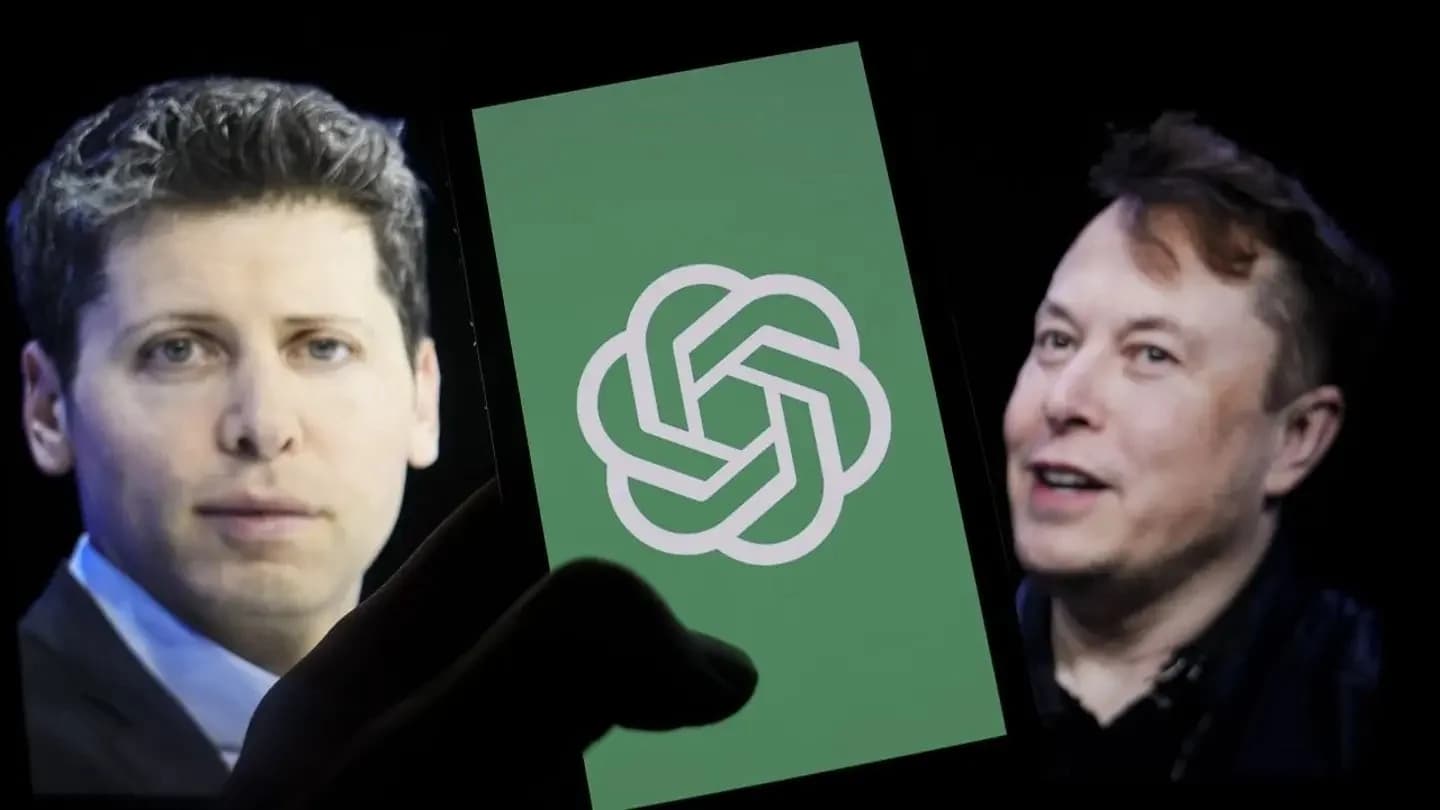
In a significant legal development, Elon Musk has decided to drop his lawsuit against OpenAI and its co-founders, Sam Altman and Greg Brockman. The lawsuit, which had accused the startup of deviating from its original mission to develop artificial intelligence (AI) for the benefit of humanity, was officially withdrawn on Tuesday. Background of the Lawsuit Elon Musk, the renowned entrepreneur and CEO of SpaceX and Tesla, was one of the co-founders of OpenAI. Established in 2015, OpenAI was founded with the ambitious goal of creating AI technologies that would be used safely and benefit all
In a significant legal development, Elon Musk has decided to drop his lawsuit against OpenAI and its co-founders, Sam Altman and Greg Brockman. The lawsuit, which had accused the startup of deviating from its original mission to develop artificial intelligence (AI) for the benefit of humanity, was officially withdrawn on Tuesday.
Background of the Lawsuit
Elon Musk, the renowned entrepreneur and CEO of SpaceX and Tesla, was one of the co-founders of OpenAI. Established in 2015, OpenAI was founded with the ambitious goal of creating AI technologies that would be used safely and benefit all of humanity. Musk, along with Altman, Brockman, and other initial supporters, envisioned an open and collaborative approach to AI development. However, in recent years, Musk has voiced concerns over OpenAI's direction, particularly its transition from a non-profit to a "capped-profit" model in 2019. This shift was intended to attract more investment and talent, but Musk believed it strayed from the original altruistic mission. He has also expressed worries about the potential risks associated with AI development, emphasizing the need for stringent oversight and ethical considerations.
Legal Proceedings
The lawsuit, filed earlier this year, claimed that Altman, Brockman, and OpenAI had failed to uphold the startup’s foundational pledge. Musk's legal team argued that the changes in OpenAI's structure and strategy were not aligned with the initial commitment to prioritize the well-being of humanity in AI advancements. On Tuesday, Musk's lawyers submitted a request to a California judge to dismiss the lawsuit, according to court filings. The reasons behind Musk's decision to withdraw the lawsuit have not been disclosed publicly, and it remains unclear whether an out-of-court settlement or other negotiations influenced this decision.
Implications of the Dismissal
The withdrawal of the lawsuit marks a pivotal moment in the ongoing dialogue about the ethical and responsible development of AI. OpenAI has continued to be a major player in the AI field, making headlines with its breakthroughs in natural language processing and other AI technologies. Despite Musk's departure from active involvement in OpenAI, his influence and advocacy for ethical AI continue to shape discussions in the tech community. Musk’s concerns about AI safety and ethical considerations remain relevant as AI technologies rapidly evolve. His decision to drop the lawsuit might reflect a strategic move to focus on collaborative efforts or other avenues to influence AI development positively.
Elon Musk moved to withdraw his lawsuit against OpenAI and its leadership.



Comments
No comments yet. Be the first to share a thought.