
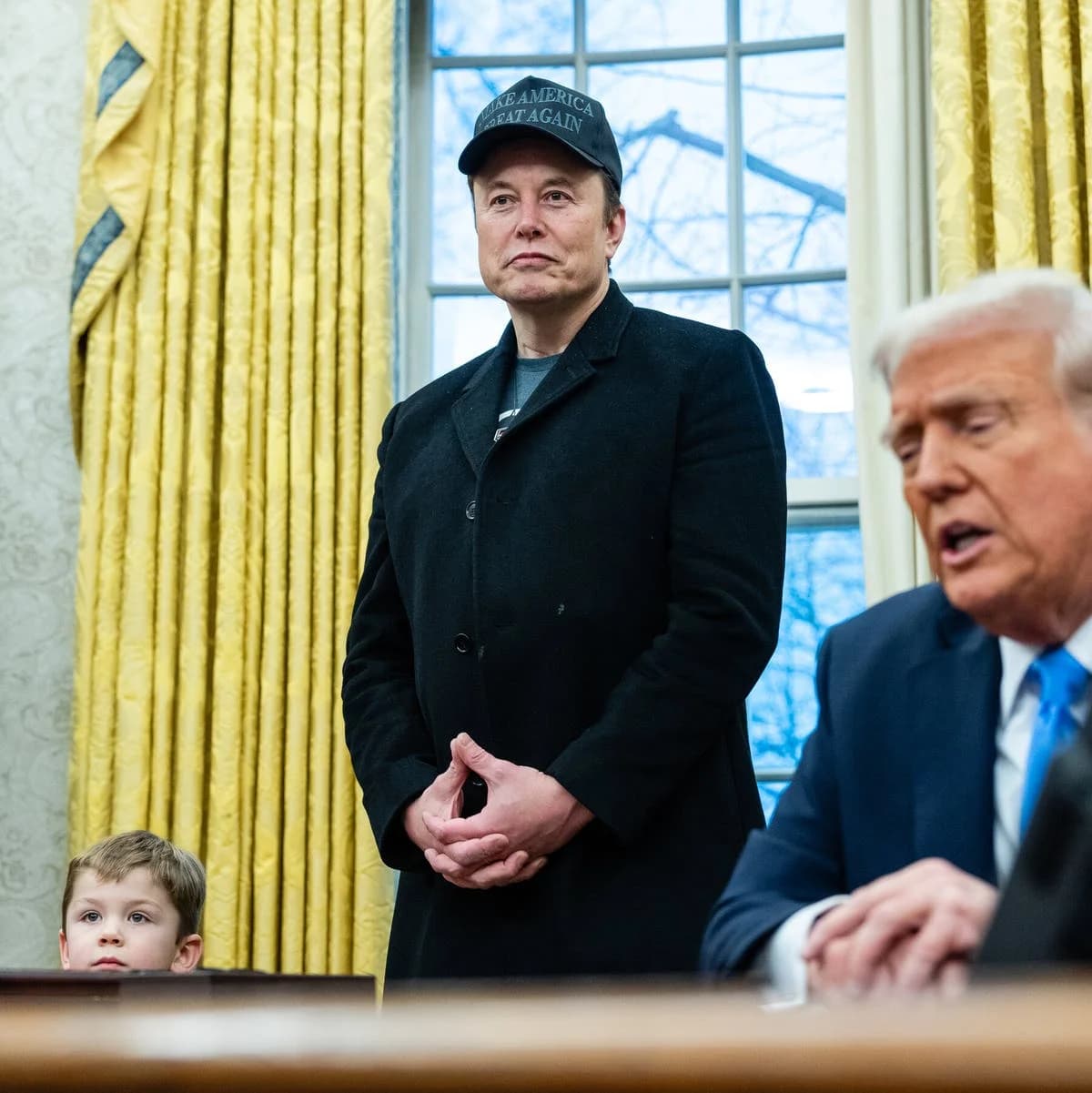
Elon Musk, the renowned CEO of Tesla and SpaceX, has recently embarked on a mission to overhaul U.S. government bureaucracy in an attempt to streamline operations and cut costs. His plan, dubbed the Department of Government Efficiency (DOGE), was established through an executive order by President Donald Trump in November 2024, with Musk and Vivek Ramaswamy at the helm. The goal is to reduce government spending, eliminate unnecessary agencies, and cut taxes, all while making the federal government more efficient. According to The Guardian, DOGE has targeted key agencies like the U.S. Agency f
Elon Musk, the renowned CEO of Tesla and SpaceX, has recently embarked on a mission to overhaul U.S. government bureaucracy in an attempt to streamline operations and cut costs. His plan, dubbed the Department of Government Efficiency (DOGE), was established through an executive order by President Donald Trump in November 2024, with Musk and Vivek Ramaswamy at the helm. The goal is to reduce government spending, eliminate unnecessary agencies, and cut taxes, all while making the federal government more efficient. According to The Guardian, DOGE has targeted key agencies like the U.S. Agency for International Development (USAID), the Department of Education, and the General Services Administration, reducing their size and resources. Additionally, the Department of Defense and the Environmental Protection Agency are under review for potential restructuring. This ambitious restructuring has raised eyebrows, with critics questioning the broader impact of Musk’s initiatives. Proponents of the plan argue that eliminating wasteful government spending and restructuring bureaucratic institutions is essential for improving efficiency and redirecting funds into areas of greater need. However, others believe that this approach may favor private companies—such as those owned by Musk—leading to increased privatization of government functions. The resulting concern is that this could give Musk and other billionaires undue influence over public resources and policies. Critics also fear that the rapid pace of these changes might lead to unintended consequences, including disruptions to government services and the alienation of public sector workers. With thousands of government employees already laid off, many argue that these cuts could undermine critical services, especially for the most vulnerable populations. While Musk’s push to restructure the government is a bold attempt to reduce inefficiency, it remains to be seen whether it will truly benefit the public or serve private interests. This situation underscores a larger conversation about the role of private corporations in government policy-making and the potential risks of unchecked corporate influence on public services. As the debate continues, the U.S. government faces a crucial decision: whether to prioritize efficiency and fiscal responsibility at the potential cost of public services or preserve the integrity of public institutions at the risk of continued inefficiencies. The coming months will likely provide a clearer picture of the long-term effects of Musk’s controversial initiative.



Comments
No comments yet. Be the first to share a thought.