
In today's world, no woman should face the terrifying reality of being denied healthcare, forced to wait until her condition becomes life-threatening, or compelled to flee her home to receive the medical attention she needs. Recent developments in Idaho highlight the critical importance of ensuring access to emergency medical care for women. While the Supreme Court’s order provides temporary relief, the fight to restore and protect reproductive rights, as enshrined in Roe v. Wade, continues. Current Situation: The Supreme Court's recent order is a crucial step towards ensuring that women in
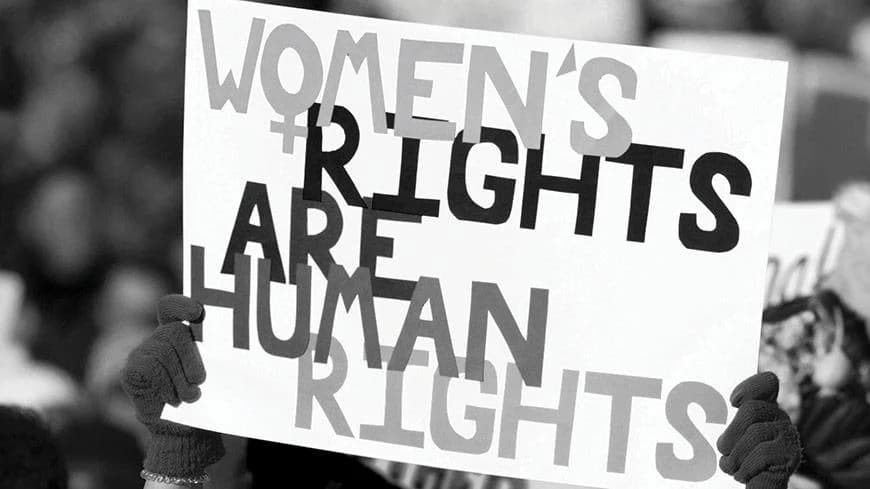
In today's world, no woman should face the terrifying reality of being denied healthcare, forced to wait until her condition becomes life-threatening, or compelled to flee her home to receive the medical attention she needs. Recent developments in Idaho highlight the critical importance of ensuring access to emergency medical care for women. While the Supreme Court’s order provides temporary relief, the fight to restore and protect reproductive rights, as enshrined in Roe v. Wade, continues. Current Situation: The Supreme Court's recent order is a crucial step towards ensuring that women in Idaho have access to emergency medical care. This ruling temporarily safeguards the rights of women to receive the urgent medical attention they need. However, this is just a stopgap measure, and much more needs to be done to secure these rights permanently. The Fight for Reproductive Rights: Vice President Kamala Harris and President Joe Biden have reiterated their commitment to restoring the protections of Roe v. Wade at the federal level. This landmark decision, which was overturned in 2022, guaranteed a woman’s right to choose and access abortion services. The overturning of Roe v. Wade has led to a patchwork of state laws, with many states enacting restrictive measures that severely limit access to reproductive healthcare. The Importance of Federal Protections: Without federal protections, women's access to healthcare is at the mercy of state legislatures. This has created significant disparities, with women in some states facing almost insurmountable barriers to accessing necessary medical care. Federal legislation is essential to ensure uniform access to reproductive healthcare across all states, protecting the rights and health of women regardless of where they live. The Human Impact: The impact of restrictive abortion laws is profound. Women are being denied critical care, forced to travel long distances, and in some cases, put their health and lives at risk. These laws disproportionately affect low-income women and women of color, exacerbating existing inequalities in the healthcare system. Ensuring access to reproductive healthcare is not just a legal issue; it is a matter of human rights and social justice.



Comments
No comments yet. Be the first to share a thought.