

Plastic bottles, kitchen utensils, cosmetics, children's toys and food packaging are among the products used every day. However, a new report by the World Health Organization (WHO) and the United Nations Environment Programme (UNEP) highlights that some of these products may contain chemicals that interfere with the hormonal systems of humans and animals.
The report, titled State of the Science of Endocrine-Disrupting Chemicals 2026, published on November 17, 2026, is a major assessment of research conducted over more than a decade on chemicals known as Endocrine-Disrupting Chemicals (EDCs). It indicates that scientific evidence about their effects on human health has increased since the previous report was published in 2012.
These chemicals can interfere with the functioning of hormones that regulate different activities in the body, including growth, reproduction, brain development, the body's metabolism and other essential functions.
The report indicates that these chemicals may be found in different products people come into contact with every day, including plastic materials, food packaging, toys, clothing, household products and cosmetics.
Examples include Bisphenols and Phthalates, which may be used in certain types of plastics; PFAS, which are found in some food packaging and textiles; and Parabens, which are used in some cosmetic products.
These chemicals can enter the human body through food, drinking water, the air we breathe, dust and contact with certain products. The report also indicates that traces of these chemicals have been detected in blood, breast milk and umbilical cord blood, suggesting that exposure may begin before a child is born.
WHO and UNEP indicate that ongoing research has shown associations between exposure to these chemicals and health problems that may affect reproductive health, brain development, thyroid function, the immune system and heart function. The report also points out that some aspects of this research require further investigation to establish the precise level of risk associated with each chemical.
Another concern is that more than 350,000 chemicals and chemical mixtures have been registered worldwide for production and use, yet only a small proportion have been assessed for their potential to disrupt the hormonal system.
This means that there are still gaps in understanding the chemicals contained in different products and their possible effects. WHO and UNEP call on countries and manufacturers to strengthen regulation, use safer chemicals and provide more information about the substances used in products.
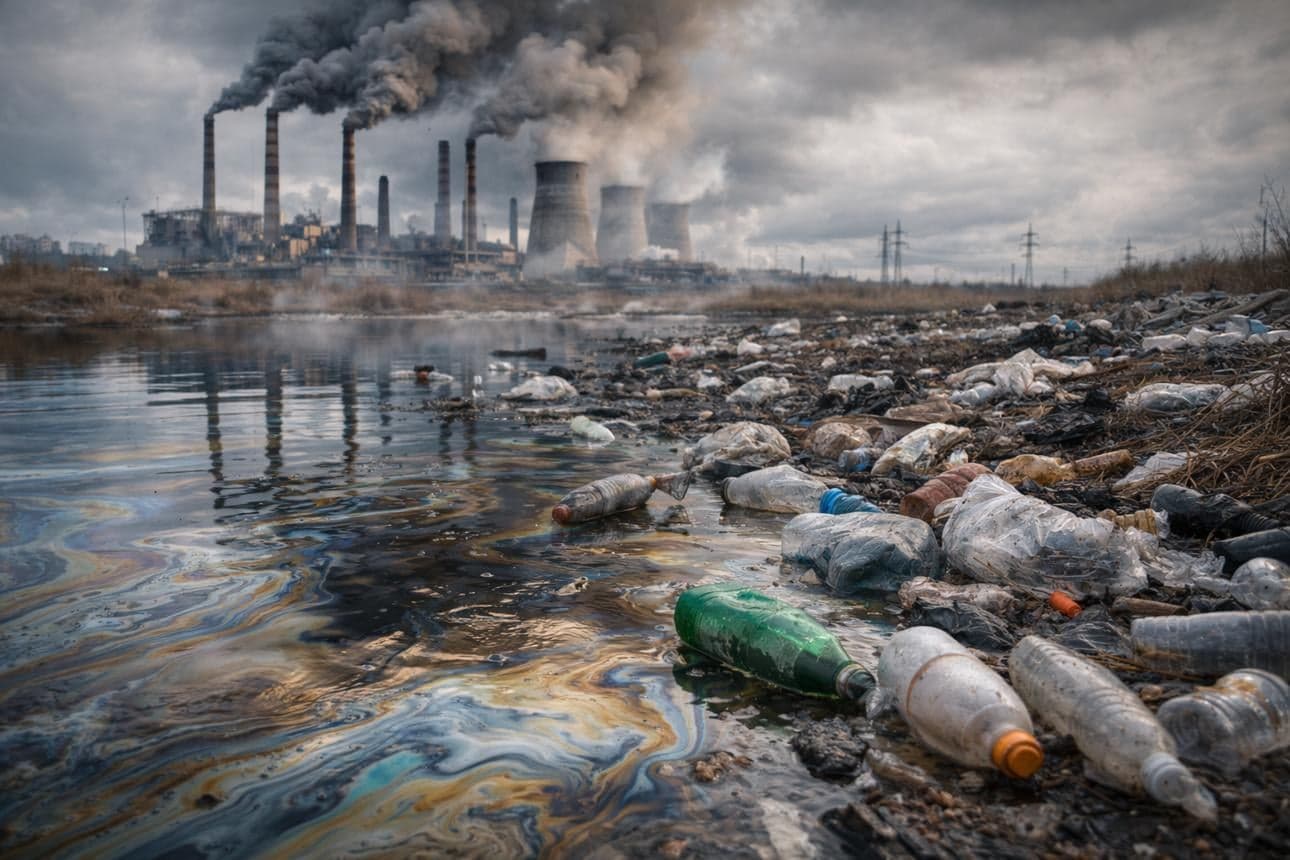
The report further indicates that the issue is not limited to human health, as exposure to these chemicals may affect the development, reproduction and behaviour of animals living in water and on land. This could have consequences for the environment and the functioning of ecosystems.
Although research highlights these potential effects, this does not mean that all plastic products, cosmetics or food packaging are harmful. The risks depend on the type of chemical, the amount of exposure, the duration of exposure and how the product is manufactured.
The report emphasises the importance of regulating chemicals used in products, increasing research and providing the public with information that helps them make decisions based on health and environmental safety.


Comments
No comments yet. Be the first to share a thought.