
From handwritten letters and landline calls to instant global conversations, social media has reshaped how humans connect. What began as simple digital networking experiments in the 1990s has grown into a global system influencing politics, culture, business and everyday relationships. Today, billions of people rely on social media to communicate, learn and work, making it one of the most powerful communication tools in human history. Early forms of online social interaction existed in forums and messaging systems in the 1990s, but the first widely recognized social media platform was SixDegr
From handwritten letters and landline calls to instant global conversations, social media has reshaped how humans connect. What began as simple digital networking experiments in the 1990s has grown into a global system influencing politics, culture, business and everyday relationships. Today, billions of people rely on social media to communicate, learn and work, making it one of the most powerful communication tools in human history. Early forms of online social interaction existed in forums and messaging systems in the 1990s, but the first widely recognized social media platform was SixDegrees, launched in 1997 by Andrew Weinreich. It allowed users to create profiles, list friends and send messages, core features still used today. SixDegrees reached around 3.5 million users at its peak, proving that digital social networking was possible, even though internet technology at the time limited growth. Early web communities like GeoCities and TheGlobe enable online interaction. In 1997 SixDegrees launched first recognizable social media network, then in 2002 Friendster was launched, popularizing online friend networks. In 2004 Facebook begans as a university networking platform, in 2006 Twitter introduces real time microblogging and then in 2010s Instagram, Snapchat, and later TikTok push social media into mobile first culture. Founders often described social media as tools for connection rather than entertainment or advertising platforms. “a social utility for people you actually know.” META CEO Mark Zuckerberg said.
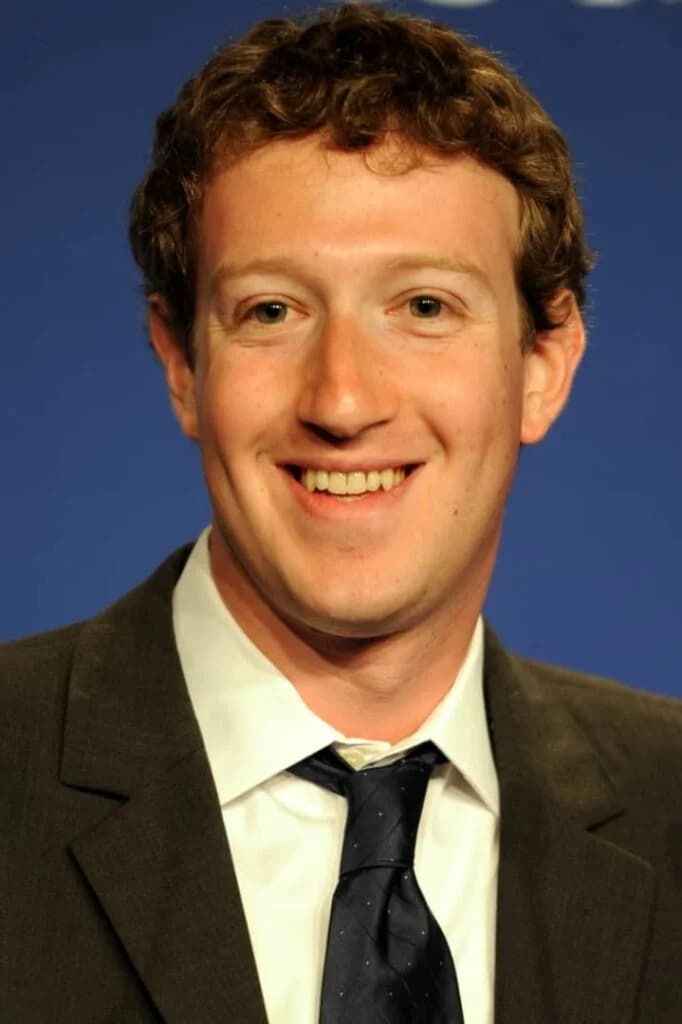
META CEO Mark Zuckerberg
He also emphasized preserving meaningful human connections digitally, showing how early social media aimed to mirror real life relationships. These early visions shaped platforms that now connect billions worldwide. Around more than 5 billion people worldwide use social media platforms, this represents roughly more than 60% of the world’s population. This growth has been driven by smartphones, affordable internet, and the rise of video first platforms. Today Social media is now essential because it connects people globally, drives digital economies, enables citizen journalism, supports education, awareness and shapes political and social discourse.
Despite benefits, social media also faces criticism like privacy and data protection concerns, misinformation and fake news, mental health effects and digital addiction. These challenges are now central to global debates about technology regulation. From SixDegrees in 1997 to today’s global digital ecosystems, social media has transformed human interaction. What started as a way to connect friends has evolved into a force shaping economies, politics and culture. The story of social media is still being written, and its next chapter will likely redefine how humans interact even further.



Comments
No comments yet. Be the first to share a thought.