
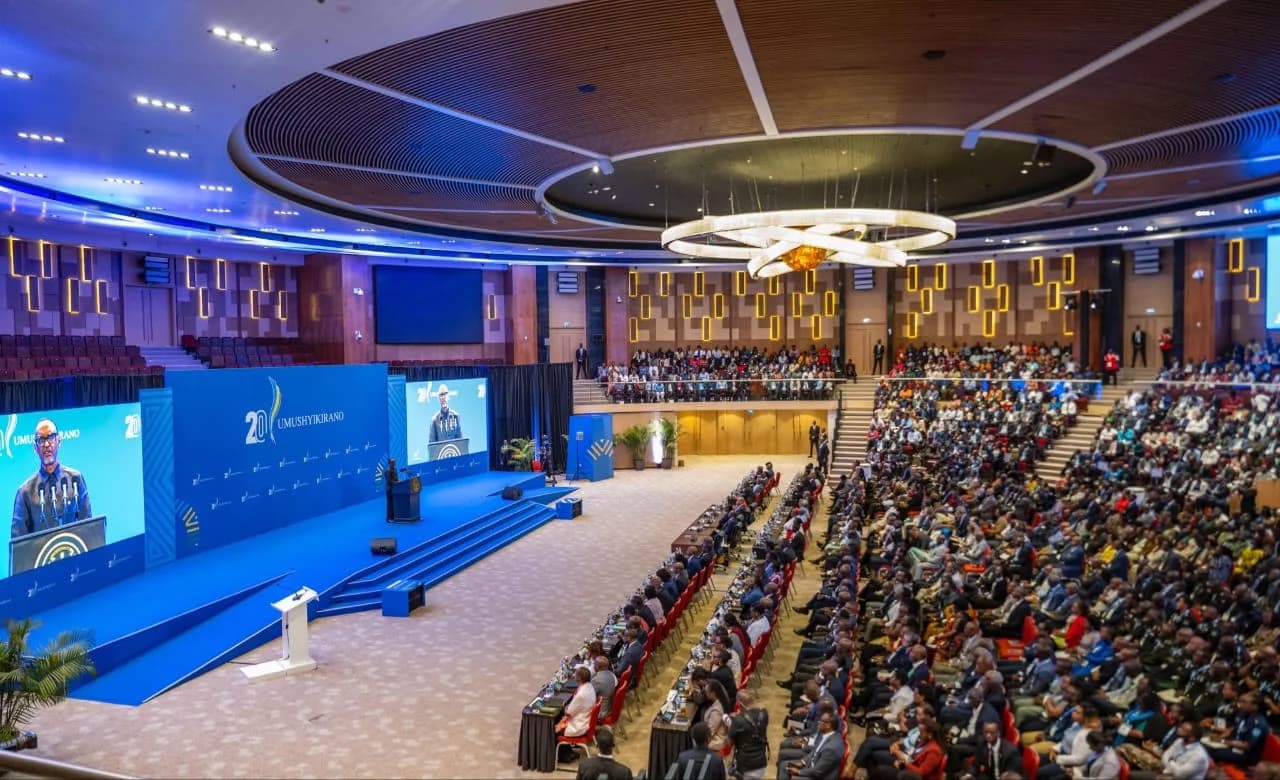
Kigali – 6 th feb 2026 , The 20th edition of Rwanda’s National Dialogue Council (Umushyikirano) came to an end this friday after two days, bringing together leaders, citizens and the diaspora to reflect on national progress, address key challenges and chart Rwanda’s future development path. Umushyikirano 2026 highlighted Rwanda’s development journey while emphasizing accountability, innovation and citizen participation. The dialogue once again served as a national platform where leaders and citizens exchanged views on the country’s achievements and remaining challenges across sectors such as
Kigali – 6th feb 2026
, The 20th edition of Rwanda’s National Dialogue Council (Umushyikirano) came to an end this friday after two days, bringing together leaders, citizens and the diaspora to reflect on national progress, address key challenges and chart Rwanda’s future development path. Umushyikirano 2026 highlighted Rwanda’s development journey while emphasizing accountability, innovation and citizen participation. The dialogue once again served as a national platform where leaders and citizens exchanged views on the country’s achievements and remaining challenges across sectors such as healthcare, agriculture, governance and infrastructure.
Special moments from Umushyikirano 2026 as it ends
President Paul Kagame stressed that although Rwanda has achieved measurable progress, the country must move faster to meet long-term ambitions, urging stronger accountability in public service and continued commitment to self reliance as a pillar of national dignity and development. “Self-reliance, therefore, is our main priority, it is our objective, and it is a responsibility that belongs to all of us, one that everyone of us must embrace and work towards.” President Kagame said.
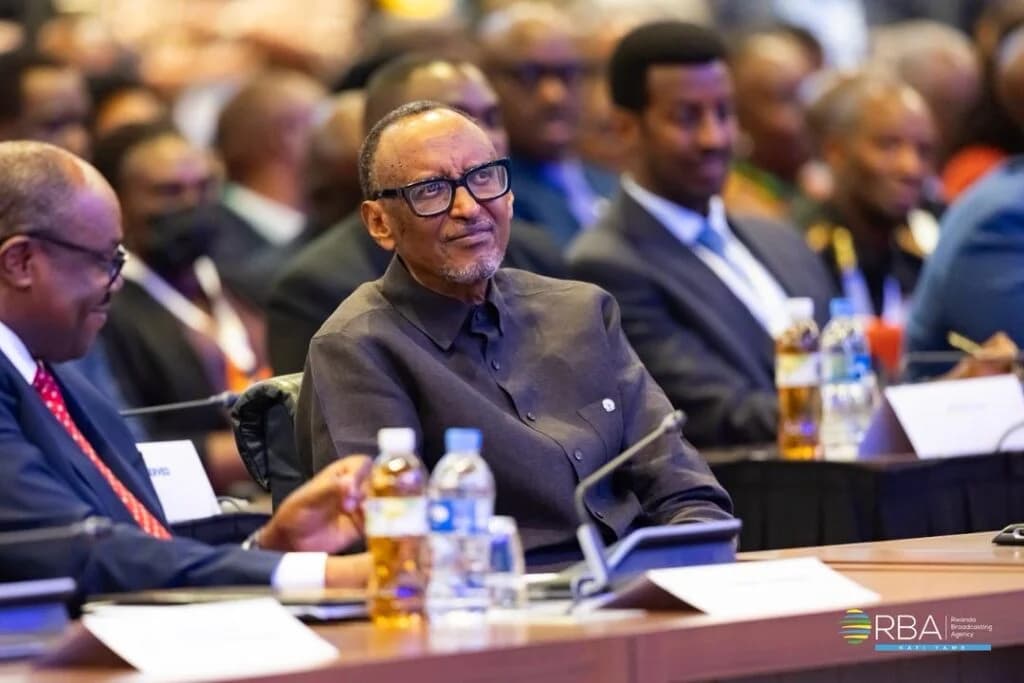
President Kagame Paul
Other major discussions focused on social and economic transformation, including issues such as child stunting, productivity gaps in agriculture and industry, and improving service delivery systems. Data presented during the dialogue showed major progress in sectors like healthcare access, electricity coverage and institutional service delivery over the past two decades. Another highlight was strong engagement from different sectors of society, including religious leaders, academics, private sector representatives and youth, reflecting Umushyikirano’s role as a national platform for inclusive dialogue on Rwanda’s future.
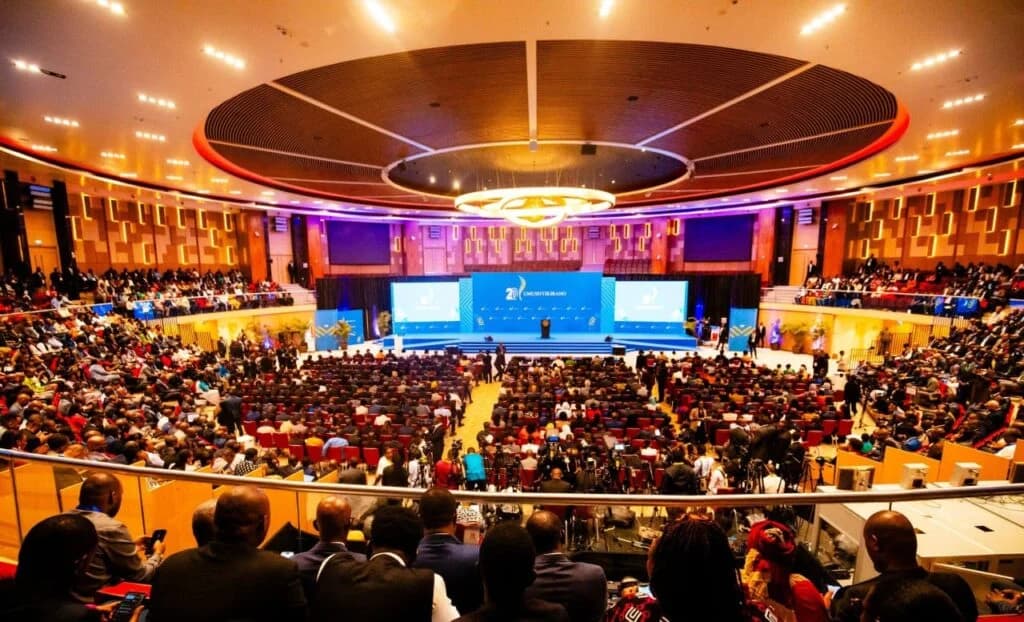
Umushyikirano 2026
During Umushyikirano 2026 as well, Minister of Foreign Affairs and International Cooperation Olivier Nduhungirehe emphasized Rwanda’s position on regional security and international relations, stressing the need for truthful information and political commitment to peace efforts in the Great Lakes region. Addressing delegates, he warned about manipulation and misinformation around regional conflicts, while highlighting Rwanda’s growing international standing as a reliable and respected global partner. A notable moment came from the creative sector. Musicians, comedians and content creators raised concerns about limited digital income opportunities in Rwanda compared to global markets. Rwandan artist Bruce Melodie pointed out that digital platforms such as YouTube and streaming services often generate far less revenue for Rwandan creators compared to artists in larger markets, highlighting the need for policies and partnerships that help creatives earn sustainable incomes online.
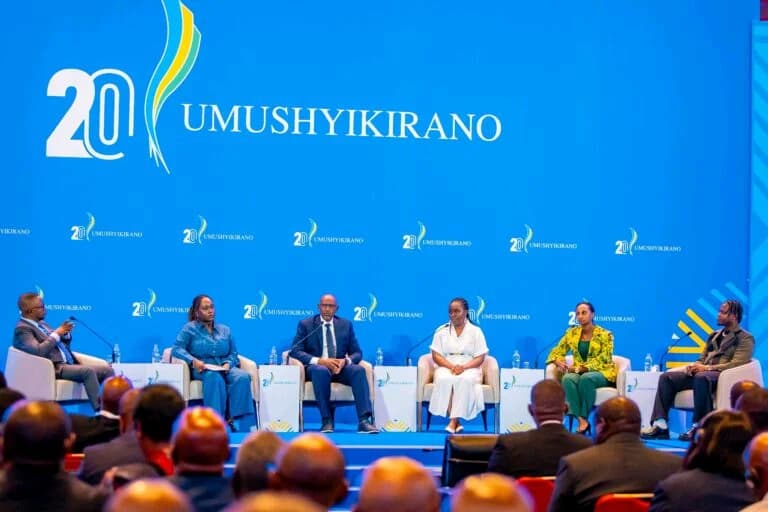
The discussion sparked broader debate on Rwanda’s digital economy and the importance of supporting local talent through better monetization structures, advertising ecosystems and regional market expansion. As the citizen engagement and national dialogue legacy for over two decades, Umushyikirano has remained a key national platform where citizens directly question leaders and discuss national priorities, reinforcing transparency and collective responsibility for development.



Comments
No comments yet. Be the first to share a thought.