
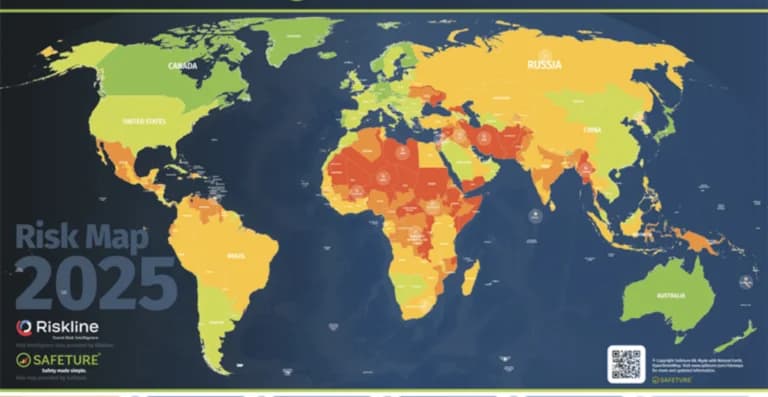
As international tourism rebounds post-COVID, governments across the world are responding to the pressures of mass travel, housing shortages, and national security by introducing sweeping changes that directly affect foreign visitors. From the United States to Europe and Asia, the rules of travel are evolving — often with more restrictions, higher costs, and tighter border controls. United States: Heightened Border Security Under Trump’s Return In the United States, Australian travelers are being warned of increasingly intense inspections at airports, including the possibility of U.S. Custom
As international tourism rebounds post-COVID, governments across the world are responding to the pressures of mass travel, housing shortages, and national security by introducing sweeping changes that directly affect foreign visitors. From the United States to Europe and Asia, the rules of travel are evolving — often with more restrictions, higher costs, and tighter border controls. United States: Heightened Border Security Under Trump’s Return In the United States, Australian travelers are being warned of increasingly intense inspections at airports, including the possibility of U.S. Customs and Border Protection (CBP) officers examining emails, text messages, and social media accounts. These changes come under Donald Trump’s renewed focus on border enforcement, as his administration pushes for stronger immigration policies. James Robertson, head of global security for International SOS, told news.com.au that travel-related security cases for the U.S. have tripled compared to the same period in 2024. He cautions travelers to prepare ahead of trips by assessing what sensitive content may be stored on their devices. Adding to the pressure, a new U.S. law now requires all foreigners staying longer than 30 days to register under the Alien Registration Act. Those without proof of registration risk fines, detention, or deportation. Meanwhile, tourism experts are forecasting a 9.4% decline in international arrivals to the U.S. in 2025, with a $9 billion drop in spending — a sharp reversal from the 8.8% growth projected late last year. Europe: Stricter Citizenship and Residency Rules In Europe, governments are tightening policies on residency and citizenship. Italy has revised its citizenship laws, limiting eligibility to descendants of Italian parents or grandparents, excluding those whose ancestry traces back further. Spain, meanwhile, has scrapped its “golden visa” program, which allowed non-EU nationals to gain residency by purchasing property worth over €500,000. Cities like Malaga and Barcelona are also clamping down on short-term rentals, with Malaga banning new listings in 43 neighborhoods for three years and Barcelona planning to ban all short-term holiday rentals by 2028. The UK now requires Australians and other previously exempt travelers to complete a paid entry application. Similarly, the European Union’s delayed Electronic Travel Authorization (ETA) system is now expected to come into effect in late 2026. Popular Cities Introduce Tourist Taxes and Limits In an effort to manage overcrowding and protect housing for locals, major tourist destinations have introduced new fees and taxes: Venice has doubled its entry fee for day-trippers to €10 for those who don’t book in advance. Edinburgh will apply a 5% tourist tax on overnight stays starting next year. Kyoto, Japan, plans to increase its accommodation tax tenfold, depending on lodging prices. Bali now charges a $15 tourist fee upon entry to the island. Adventure Tourism Comes at a Higher Price Even outdoor attractions are not exempt. Japan has doubled the fee for hiking Mount Fuji during peak season to ¥4,000 ($46), while Nepal has raised the permit fee for summiting Mount Everest by 36% — now costing climbers $15,000 during peak season. The Future of Travel: Prepare and Plan As countries worldwide reassess their travel policies to prioritize sustainability, national security, and local welfare, the age of carefree tourism may be coming to an end. Travelers must now plan more carefully, stay informed, and be ready to navigate evolving international regulations. Whether it’s through registration systems, increased scrutiny at borders, or financial deterrents, the message is clear: the global travel landscape is shifting, and preparation is now more essential than ever.



Comments
No comments yet. Be the first to share a thought.