
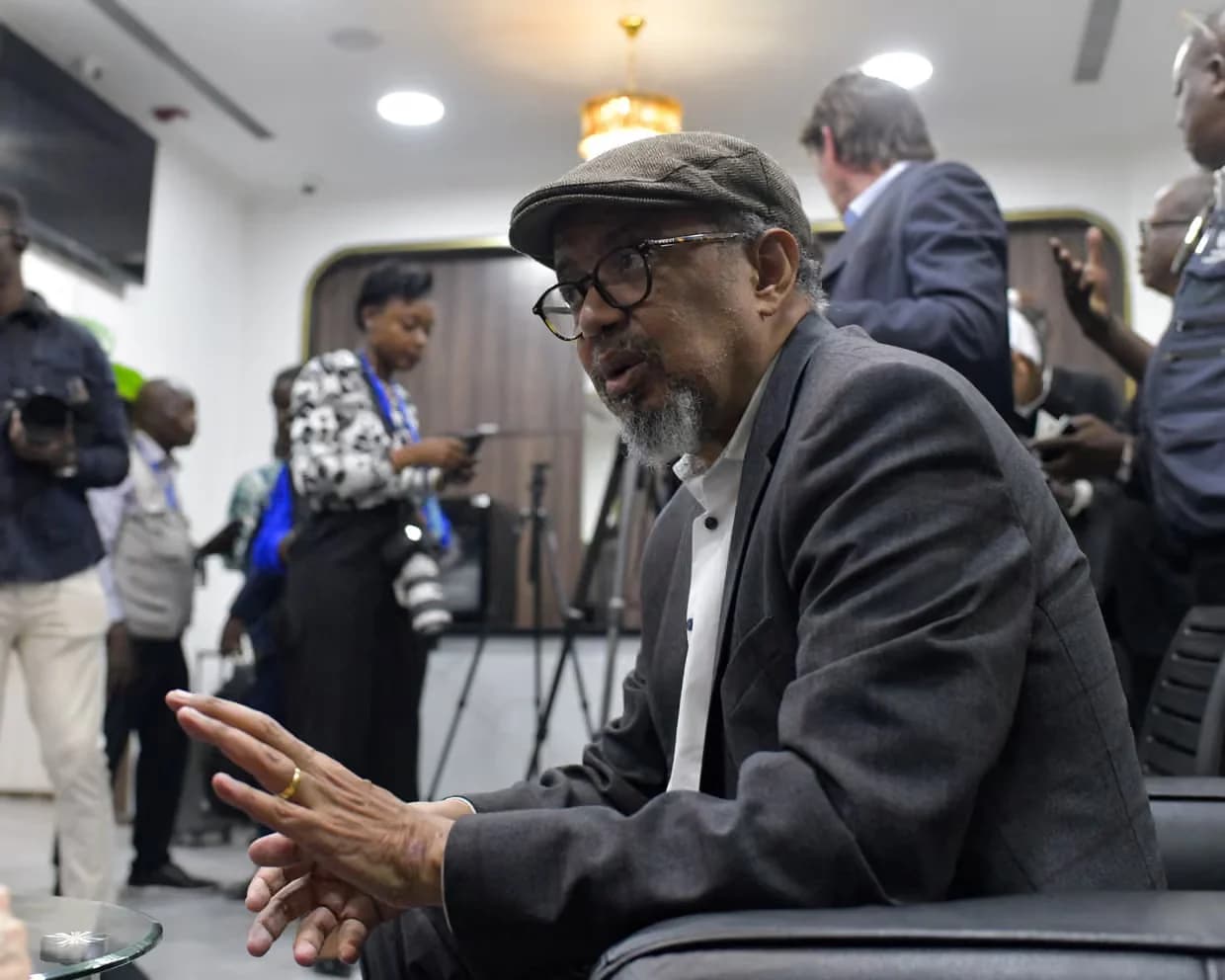
Tedros Adhanom Ghebreyesus arrived in the Democratic Republic of the Congo on Thursday and said the country’s growing Ebola outbreak “can be stopped” despite mounting challenges caused by armed conflict and limited medical access in the east of the country. The head of the World Health Organization is expected to travel to Ituri Province , where the outbreak is concentrated, as health authorities and aid agencies intensify efforts to contain the spread of the virus. Tedros called for a temporary halt to fighting in eastern Congo, saying insecurity and population displacement were obstructing c
Tedros Adhanom Ghebreyesus arrived in the Democratic Republic of the Congo on Thursday and said the country’s growing Ebola outbreak “can be stopped” despite mounting challenges caused by armed conflict and limited medical access in the east of the country.
The head of the World Health Organization is expected to travel to Ituri Province, where the outbreak is concentrated, as health authorities and aid agencies intensify efforts to contain the spread of the virus.
Tedros called for a temporary halt to fighting in eastern Congo, saying insecurity and population displacement were obstructing contact tracing, treatment, and delivery of medical supplies to affected communities. He said the outbreak was unfolding in one of the world’s most difficult humanitarian environments.
The outbreak, declared earlier this month, involves the Bundibugyo strain of Ebola, for which there is currently no approved vaccine or treatment. WHO said experts are preparing clinical trials for experimental vaccines and therapies as the number of suspected cases continues to rise.
According to WHO figures, more than 1,000 confirmed and suspected cases have been recorded, with over 200 suspected deaths reported in Congo and neighboring Uganda. Health officials warned that the true scale of the outbreak could be much larger because of delayed detection and limited surveillance in remote areas.
The WHO has classified the epidemic as a public health emergency of international concern, citing the risk of cross-border transmission and the fragile security situation in eastern Congo.



Comments
No comments yet. Be the first to share a thought.