
Tensions between India and Pakistan have escalated significantly amid reports that India has deployed Israeli-made Harop drones in cross-border operations targeting Pakistani military installations. The development marks a new phase in the long-standing hostilities between the two nuclear-armed neighbors, as both sides brace for the possibility of further confrontation. According to Pakistani military spokesman Lieutenant General Ahmad Sharif, India launched several Harop drones into Pakistani territory overnight and into Thursday afternoon. He claimed that Pakistani forces successfully shot
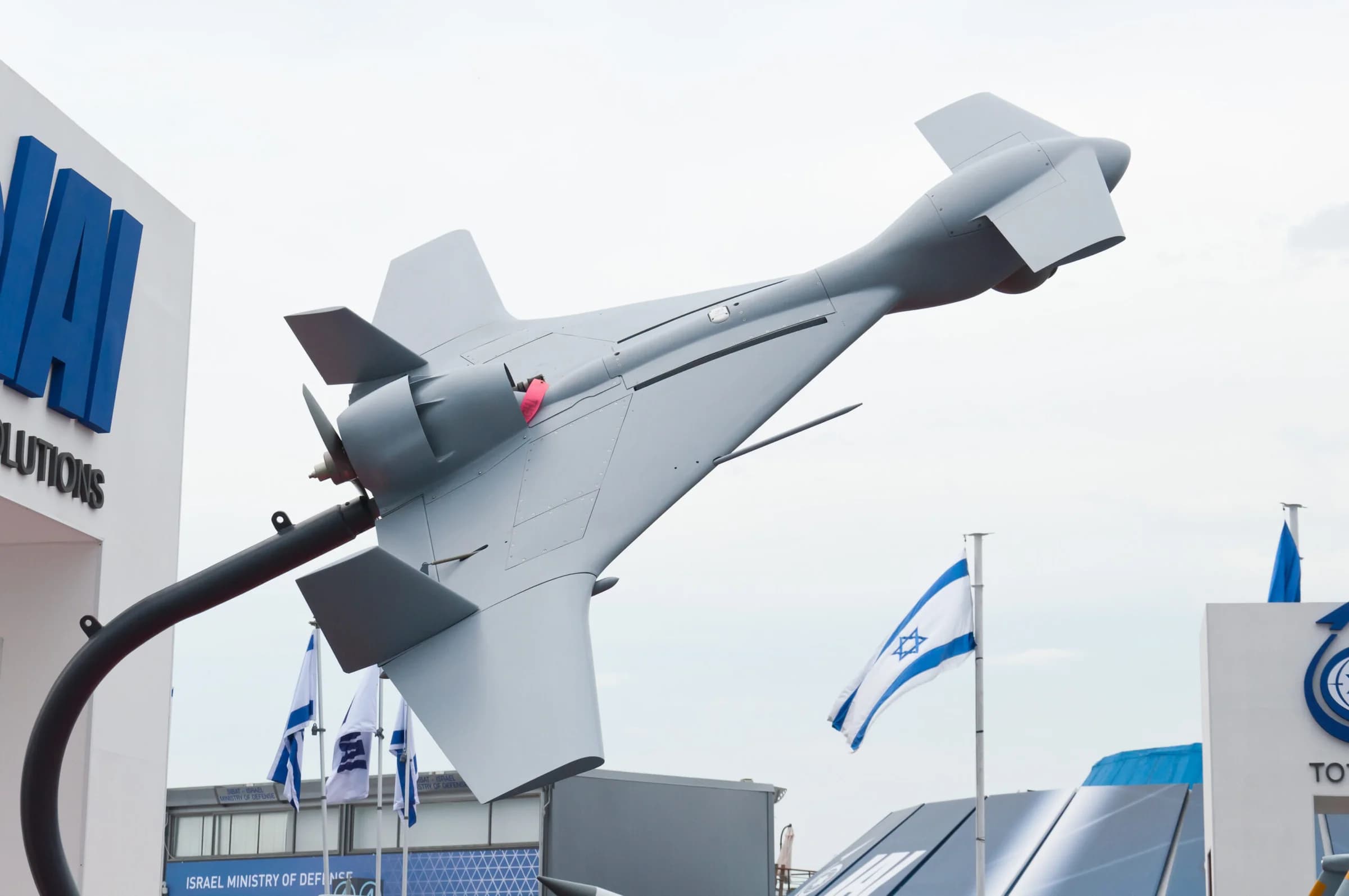
Tensions between India and Pakistan have escalated significantly amid reports that India has deployed Israeli-made Harop drones in cross-border operations targeting Pakistani military installations. The development marks a new phase in the long-standing hostilities between the two nuclear-armed neighbors, as both sides brace for the possibility of further confrontation. According to Pakistani military spokesman Lieutenant General Ahmad Sharif, India launched several Harop drones into Pakistani territory overnight and into Thursday afternoon. He claimed that Pakistani forces successfully shot down 25 of the drones. The fallout from these drone strikes was deadly—one civilian was killed and another injured in Sindh province as a result of drone debris, while four Pakistani soldiers were wounded in a strike near Lahore. Another drone crashed in Rawalpindi, not far from the capital, Islamabad. India’s Ministry of Defence stated that its armed forces had carried out strikes against air defense radars and systems in multiple Pakistani locations, including Lahore. The ministry further alleged that Pakistan had attempted to target several Indian military positions using missiles and drones along the Line of Control and in other border regions. Indian officials added that they were in the process of recovering and analyzing debris from these attempted attacks. At the center of these operations is the Harop drone, developed by Israel Aerospace Industries (IAI). The Harop is a sophisticated loitering munition—a type of aerial weapon system that hovers over a target area before striking when commanded. Combining the capabilities of both a drone and a missile, it is designed to destroy high-value targets with precision. According to the manufacturer, the Harop is particularly suited for Suppression of Enemy Air Defenses (SEAD) missions and can loiter for hours above a battlefield, waiting for optimal strike conditions. The drone’s design allows it to conduct precise, controlled strikes from long distances. It is roughly 2.5 meters in length with a 3-meter wingspan, weighing about 135 kilograms at takeoff. It carries a 23-kilogram warhead and can stay airborne for up to nine hours, with an operational range of approximately 1,000 kilometers. Its targeting system is guided by electro-optical sensors, allowing operators to visually identify and lock onto targets in real time. India has been integrating the Harop drone into its arsenal since 2009 and is believed to have expanded its fleet over the years. The system is reportedly referred to as the P-4 in Indian military circles. The decision to use these drones in the current escalation signifies a shift toward deploying more advanced and precise unmanned systems in live combat situations. The use of Harop drones has fueled the already intense standoff between the two countries. Pakistan, reeling from both the drone attacks and an earlier wave of missile strikes that killed 31 people, has declared India’s actions an “act of war.” Prime Minister Shehbaz Sharif has promised retaliation, stating that Pakistan would respond decisively to the loss of civilian lives and military personnel. The international community has reacted with growing concern to the unfolding crisis. Iran’s Foreign Minister Abbas Araghchi arrived in New Delhi on Thursday morning to meet with his Indian counterpart after having visited Islamabad earlier in the week. Araghchi has expressed Iran’s readiness to mediate between the two nations to help avoid further escalation. Meanwhile, countries including the United States, the United Kingdom, China, and the United Arab Emirates have issued calls for both sides to exercise restraint and prioritize diplomatic dialogue. India’s deployment of the Israeli-made Harop drone represents a strategic and technological advancement in its military capabilities. As the situation develops, both India and Pakistan face mounting pressure to manage the crisis through diplomatic means rather than further military engagement. For now, however, the skies above the subcontinent remain tense, and the prospect of further escalation remains dangerously real.



Comments
No comments yet. Be the first to share a thought.