
A formal proposal from Iran to end the ongoing Gulf conflict has been rejected by Donald Trump, deepening an impasse as the conflict’s economic and humanitarian toll mounts. The proposal, conveyed through mediators, outlines a phased framework to halt hostilities after weeks of confrontation involving the United States and Israel. Under the plan, Iran would immediately reopen shipping through the Strait of Hormuz, while the United States would lift its active naval blockade and end military pressure. Broader negotiations over Iran’s nuclear program would be deferred to a later stage, alongsi
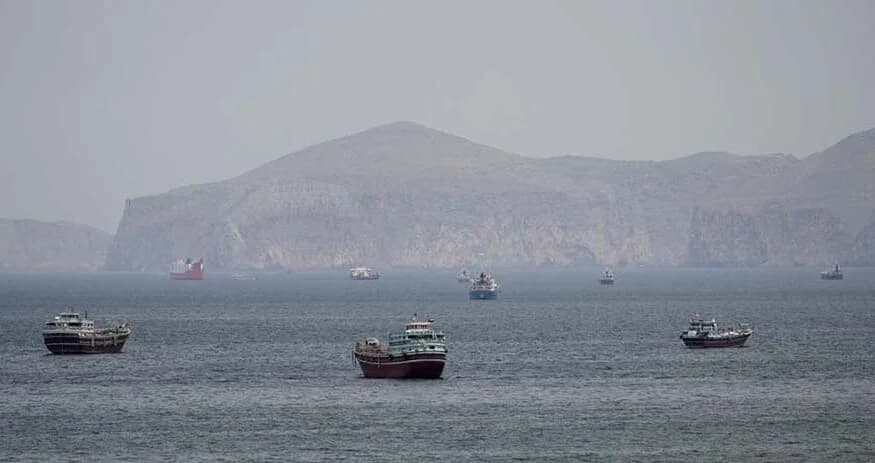
A formal proposal from Iran to end the ongoing Gulf conflict has been rejected by Donald Trump, deepening an impasse as the conflict’s economic and humanitarian toll mounts. The proposal, conveyed through mediators, outlines a phased framework to halt hostilities after weeks of confrontation involving the United States and Israel. Under the plan, Iran would immediately reopen shipping through the Strait of Hormuz, while the United States would lift its active naval blockade and end military pressure. Broader negotiations over Iran’s nuclear program would be deferred to a later stage, alongside discussions on sanctions relief and Tehran’s demand for recognition of its right to enrich uranium for peaceful purposes. Washington has rejected the offer. President Trump said he was “not satisfied” with the proposal, maintaining that any agreement must directly address Iran’s nuclear activities from the outset. U.S. officials argue that delaying the issue risks allowing Tehran to consolidate its nuclear position without firm guarantees. The proposal comes against the backdrop of an unresolved conflict. Four weeks have passed since U.S. and Israeli forces suspended their bombing campaign against Iran, yet no ceasefire agreement has been reached. The standoff has triggered what analysts describe as the most severe disruption to global energy flows on record. Shipping through the Strait of Hormuz, a critical global energy chokepoint, has collapsed by more than 90 percent since the conflict began, according to maritime security assessments. Thousands of seafarers remain stranded in the waterway, raising the risk of a humanitarian crisis alongside the economic fallout. The U.S. blockade itself is firmly in place. According to United States Central Command, dozens of Iranian vessels have been turned back in recent weeks, underscoring that the restrictions are not merely rhetorical but operational policy shaping conditions on the ground. For Iran, the proposal reflects a strategy to secure immediate relief from economic and military pressure while preserving leverage in future nuclear negotiations. Yet signals from Tehran’s leadership suggest a hardening posture. In a statement attributed to Supreme Leader Mojtaba Khamenei has described the Strait of Hormuz as a “strategic asset,” framing it within a broader vision of regional order that excludes U.S. influence. Meanwhile, parliament speaker Mohammad Bagher Ghalibaf has linked current Hormuz policy to long-term strategic doctrine. In Washington, domestic political considerations are also shaping the response. Rising fuel prices tied to the Hormuz disruption have increased pressure on the administration ahead of the upcoming congressional midterm elections, raising the stakes of any perceived concession or escalation. At its core, the impasse reflects a fundamental disagreement over sequencing. Iran is pushing for an immediate end to the war and restoration of economic flows before addressing nuclear constraints. The United States, by contrast, is demanding that the central security issue be resolved first. With both sides entrenched, the proposal’s rejection leaves the conflict in a fragile holding pattern, a war paused, but not ended, as global markets and regional stability remain under strain.



Comments
No comments yet. Be the first to share a thought.