
Tehran warns vessels “no ship is allowed” to transit key oil chokepoint as tensions escalate Iran has warned that “no ship is allowed” to pass through the Strait of Hormuz, escalating fears of a major disruption to global energy supplies following reported US and Israeli attacks on Iranian targets. The warning follows heightened hostilities between Iran, the United States, and Israel The warning, reportedly broadcast by Iran’s powerful Islamic Revolutionary Guard Corps (IRGC) over maritime radio channels, has raised alarm across international shipping and energy markets. While Tehran has
Tehran warns vessels “no ship is allowed” to transit key oil chokepoint as tensions escalate Iran has warned that “no ship is allowed” to pass through the Strait of Hormuz, escalating fears of a major disruption to global energy supplies following reported US and Israeli attacks on Iranian targets.

The warning follows heightened hostilities between Iran, the United States, and Israel
The warning, reportedly broadcast by Iran’s powerful Islamic Revolutionary Guard Corps (IRGC) over maritime radio channels, has raised alarm across international shipping and energy markets. While Tehran has not formally declared a legal closure of the strait, the message signals a sharp increase in military brinkmanship in one of the world’s most strategically sensitive waterways.
A Critical Global Chokepoint
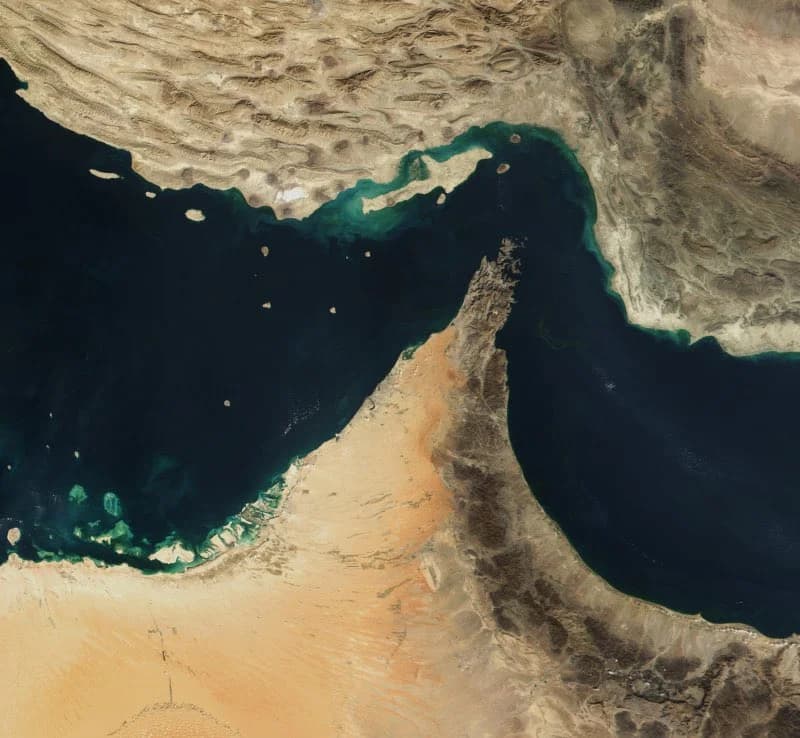
The Strait of Hormuz, a narrow passage linking the Persian Gulf to the Gulf of Oman and the Arabian Sea, is widely regarded as the most important oil transit route on the planet. Approximately 20 percent of global oil consumption passes through the strait each day, according to energy analysts. Major Gulf producers — including Saudi Arabia, Iraq, Kuwait, the United Arab Emirates, and Iran itself — rely on the corridor to export crude oil to markets in Asia, Europe, and North America. Significant volumes of liquefied natural gas (LNG), particularly from Qatar, also transit the route. Even the suggestion of disruption has historically sent oil prices surging. Analysts warn that any sustained interference with tanker traffic could trigger sharp spikes in global energy prices, exacerbate inflation, and rattle already fragile markets.
Escalating Military Tensions
The warning follows heightened hostilities between Iran, the United States, and Israel. Although full details of the reported strikes remain contested, regional observers say the rhetoric signals a shift from indirect confrontation to open deterrence signaling. The United States maintains a strong naval presence in the Gulf, primarily through the United States Navy Fifth Fleet, headquartered in Bahrain. Western allies also patrol the region to safeguard commercial shipping lanes. Under international maritime law, closing an international strait used for global navigation would carry significant legal and diplomatic consequences. However, Iran has previously threatened to block Hormuz during periods of heightened sanctions or military pressure, using the possibility as strategic leverage.
Market and Security Implications
Shipping companies are closely monitoring developments, with some reportedly reassessing routes or delaying departures amid rising security concerns. Insurance premiums for vessels transiting the Gulf could also climb if tensions persist. Energy economists caution that while a complete blockade remains unlikely in the short term — given the military response it would likely provoke — even temporary disruptions or isolated incidents could strain supply chains. Beyond economics, the situation underscores the fragile security architecture of the Gulf. A direct confrontation in or around the Strait of Hormuz risks drawing in regional powers and expanding into a broader conflict with global consequences. For now, commercial vessels continue to transit the waterway, but the latest warning from Tehran has injected a fresh layer of uncertainty into an already volatile geopolitical landscape.



Comments
No comments yet. Be the first to share a thought.